Busbar Distribution System Total Cost of Ownership: What You're Really Paying For
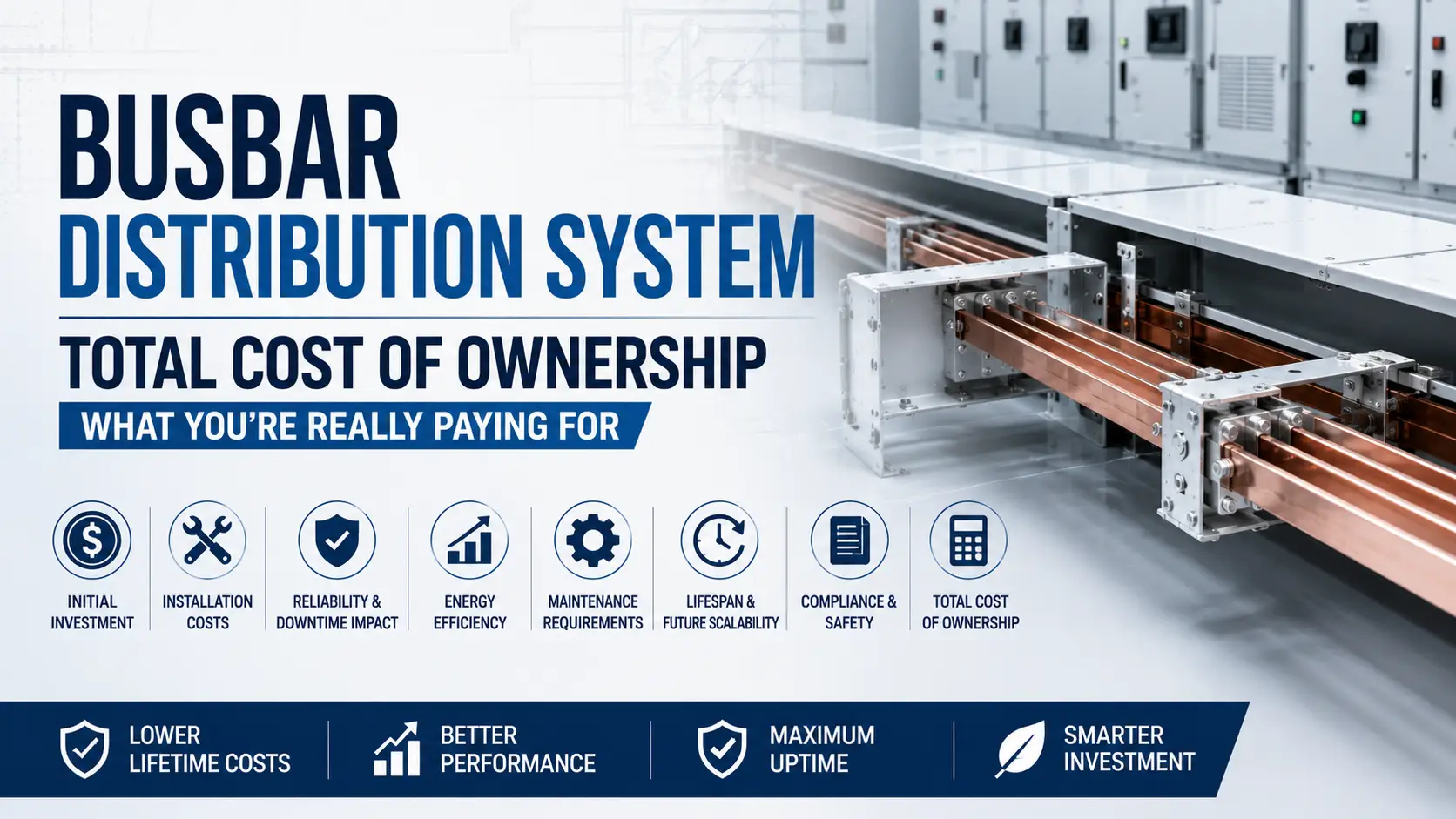
The purchase price on a busbar distribution system quote is only part of the story. Installation labour, downstream device compatibility, spares availability and how easily the system can be modified or extended over its life all feed into what a busbar system actually costs a UK manufacturing or commercial site over ten or twenty years. This guide breaks down where the real costs sit, so procurement teams comparing an ABB busbar system against Allen-Bradley or a cheaper generic alternative can compare like for like.
Need help specifying or sourcing a busbar distribution system for your site?
Upfront Cost vs Lifecycle Cost
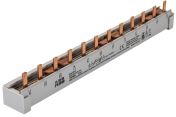
The quoted price of a busbar distribution system - the rail, holders, end feeds and tap-off units - is what most comparisons stop at, but it's rarely more than a third of what the system actually costs to own over its working life. Installation labour is often the single largest line item on a first fit-out: a well-designed busbar system with plug-in tap-offs can cut first-fix electrical labour significantly compared with a fully cabled distribution board, but a poorly-specified system with the wrong pitch or holder spacing for your device range can add labour back in through rework. Beyond installation, the ongoing costs that rarely appear on the original quote include downstream device compatibility (can you actually plug a standard MCB or fused tap-off into this holder type, or are you locked into one manufacturer's proprietary range), spares and tap-off unit availability five or ten years after the original installation, and the cost of extending or reconfiguring the system as loads change.
Hidden Cost Drivers
Four factors tend to drive the real total cost of ownership on a busbar system, and none of them show up clearly on a like-for-like unit price comparison. First, proprietary tap-off and holder systems can leave you sourcing spares from a single manufacturer indefinitely, with no competitive pricing pressure once the system is installed. Second, busbar pitch and current rating chosen too conservatively at installation means an expensive strip-out and replacement when the site's power demand grows, rather than a straightforward tap-off addition. Third, poor accessibility for testing and thermal imaging (a routine requirement under BS 7671 periodic inspection) adds ongoing maintenance labour if the system wasn't specified with inspection access in mind. Fourth, busbar systems that mix manufacturers' components outside their tested and certified configurations can create warranty and compliance issues that only surface at the worst possible time - during an insurance inspection or a fault investigation.
Cost Driver | Budget/Economy Tier | Mid-Tier (e.g. Standard ABB PS Range) | Premium Tier (e.g. SMISSLINE-Type Systems) |
|---|---|---|---|
Upfront unit cost | Lowest | Moderate | Highest |
Installation labour | Higher (less standardised tap-offs) | Moderate | Lowest (fully plug-in, tool-less in some ranges) |
Spares/tap-off availability long-term | Variable - depends on manufacturer longevity | Good - established range with UK stock | Good, but narrower range of third-party alternatives |
Ease of future extension | Limited | Good | Very good - designed for live extension in some ranges |
Typical best fit | Small, static installations | General industrial/commercial distribution | Sites needing frequent reconfiguration, e.g. data centres |
How to Reduce Total Cost of Ownership
The most effective lever is specifying headroom into the busbar's current rating and physical run at the outset - the incremental cost of a higher-rated busbar at installation is almost always lower than the cost of a later strip-out and replacement. Standardising on tap-off units and holders from a single, well-stocked manufacturer range (rather than mixing components to save a small amount per unit) keeps future spares sourcing straightforward and keeps the installation within its tested and warrantied configuration. Building in physical access for thermal imaging and periodic inspection at the design stage avoids expensive retrofitting of inspection points later. Finally, working with a supplier who can quote both the busbar system and cross-reference obsolete tap-off units means you're not left stranded if a specific unit is discontinued years into the system's working life.
Category | Why It's Relevant | Link |
|---|---|---|
Busbars | Browse the full range of busbar systems, holders and accessories we supply | |
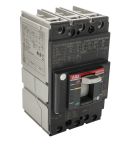
Moulded Case Circuit Breakers | Common tap-off protection paired with busbar distribution systems | |
Miniature Circuit Breakers | Smaller final-circuit protection for lower-current busbar tap-offs |
Frequently Asked Questions
What is a busbar distribution system used for?
A busbar distribution system carries power along a rail with plug-in tap-off points, distributing power to multiple loads or sub-boards along its length without the need for individually cabled circuits back to a central board - commonly used in factories, warehouses, data centres and retail units where loads change or move over time.
How do I choose between ABB and Allen-Bradley busbar distribution systems?
Both offer comparable ranges; the practical deciding factors are usually tap-off and holder compatibility with your existing installation, current rating and pitch options available, and UK stock/lead time, rather than a fundamental difference in the underlying technology.
What standards apply to busbar distribution systems (IEC 60947)?
Busbar trunking systems are typically tested and rated to IEC 61439-6 (formerly covered under IEC 60439-2), which sets out the construction, rated current and short-circuit withstand requirements; associated switching devices are rated under IEC 60947.
Can ZF Corporation source obsolete or discontinued busbar distribution systems?
Yes - we regularly source discontinued tap-off units, end feeds and holders to keep older busbar installations running where the original range has been superseded.
What is the typical lead time for a busbar distribution system in the UK?
Standard rail, holders and common tap-off ratings are typically available from stock; larger custom runs or higher-current ratings may carry a short lead time - contact us with your specification for a quote.
Conclusion
The cheapest busbar quote on paper is rarely the cheapest system over its working life once installation labour, spares availability and future flexibility are accounted for. Specify current rating with genuine headroom, standardise on a well-stocked manufacturer range, and build in inspection access from day one, and the total cost of ownership takes care of itself.
Need a cost-saving assessment for your next busbar installation or upgrade?
Request a Cost-Saving Assessment
DISCLAIMER: Z&F Corporation is not affiliated with, authorized by, endorsed by, or acting as an official representative of any manufacturer, brand, or trademark owner referenced on this website. All product names, trademarks, brand names, logos, and manufacturer references are the property of their respective owners and are used solely for identification, reference, and compatibility purposes.