Gate Valve vs Globe Valve: Key Differences and Selection Guide
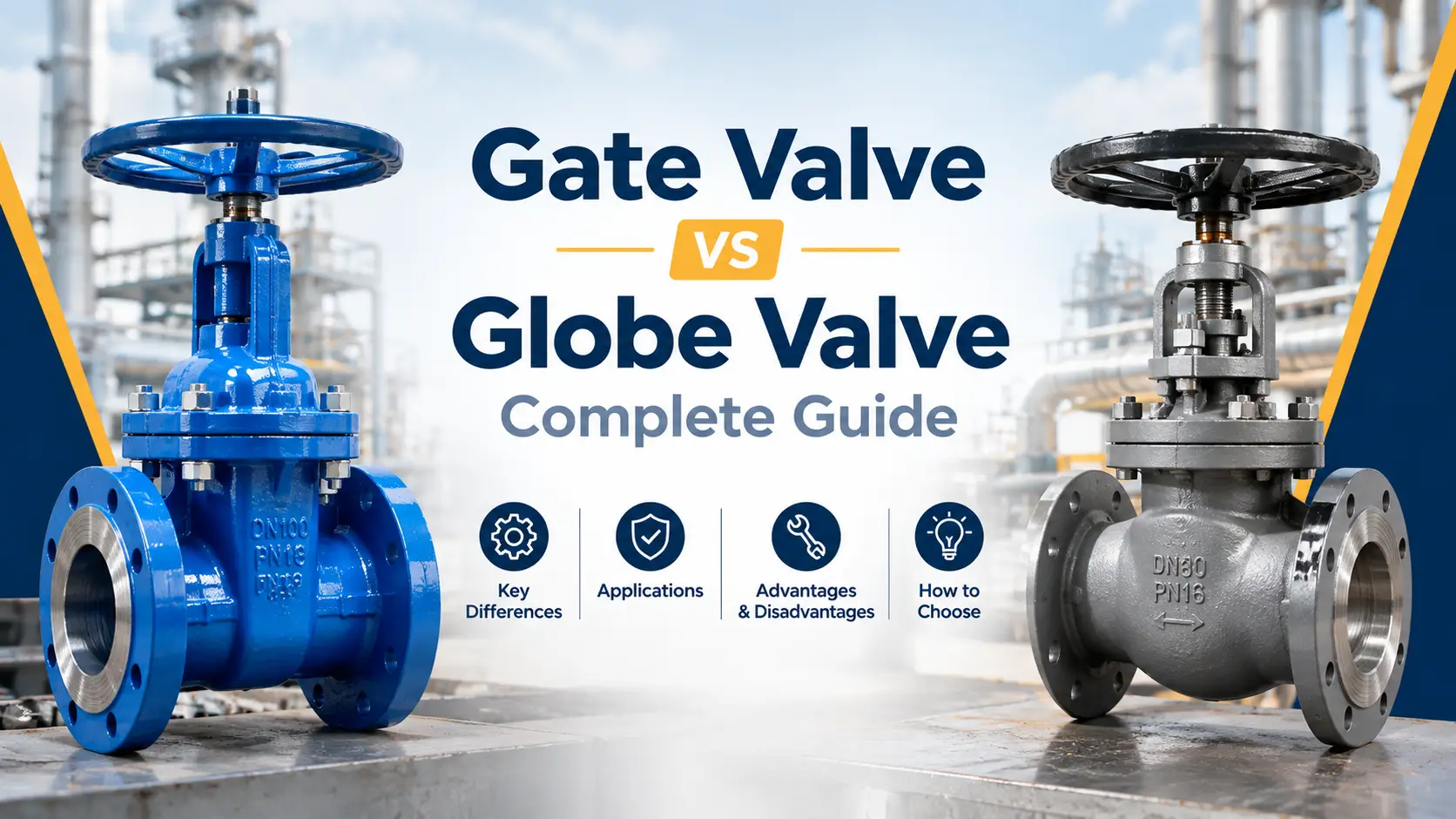
In a gate valve vs globe valve comparison, the question is: Is the pipeline required to be isolated or is it required to be controlled for flow regulation? Gate valves are used mainly for full on/off service, and globe valves for throttling. Their different internal flow paths also affect pressure loss, installation and maintenance.
Need help sourcing an industrial valve?
Send us the required valve type, size, pressure class, process medium, temperature, material and end connection.
Request a Quote
Quick answer: For gate valve vs globe valve, select a gate valve if you need to isolate the entire line and have relatively low pressure loss. Use a globe valve for throttling or frequent flow changes. Always confirm the selection against the actual operating conditions.
Gate Valve vs Globe Valve: Quick Comparison
Factor | Gate valve | Globe valve |
|---|---|---|
Primary duty | On/off isolation | Throttling, regulation and shutoff |
Internal element | Wedge or parallel gate | Disc and stationary seat |
Flow path | Relatively straight when fully open | Fluid changes direction inside the body |
Pressure loss | Generally lower when fully open | Generally higher |
Flow direction | Often bidirectional, depending on design | Normally directional |
Routine throttling | Generally unsuitable | More suitable |
What Is a Gate Valve?
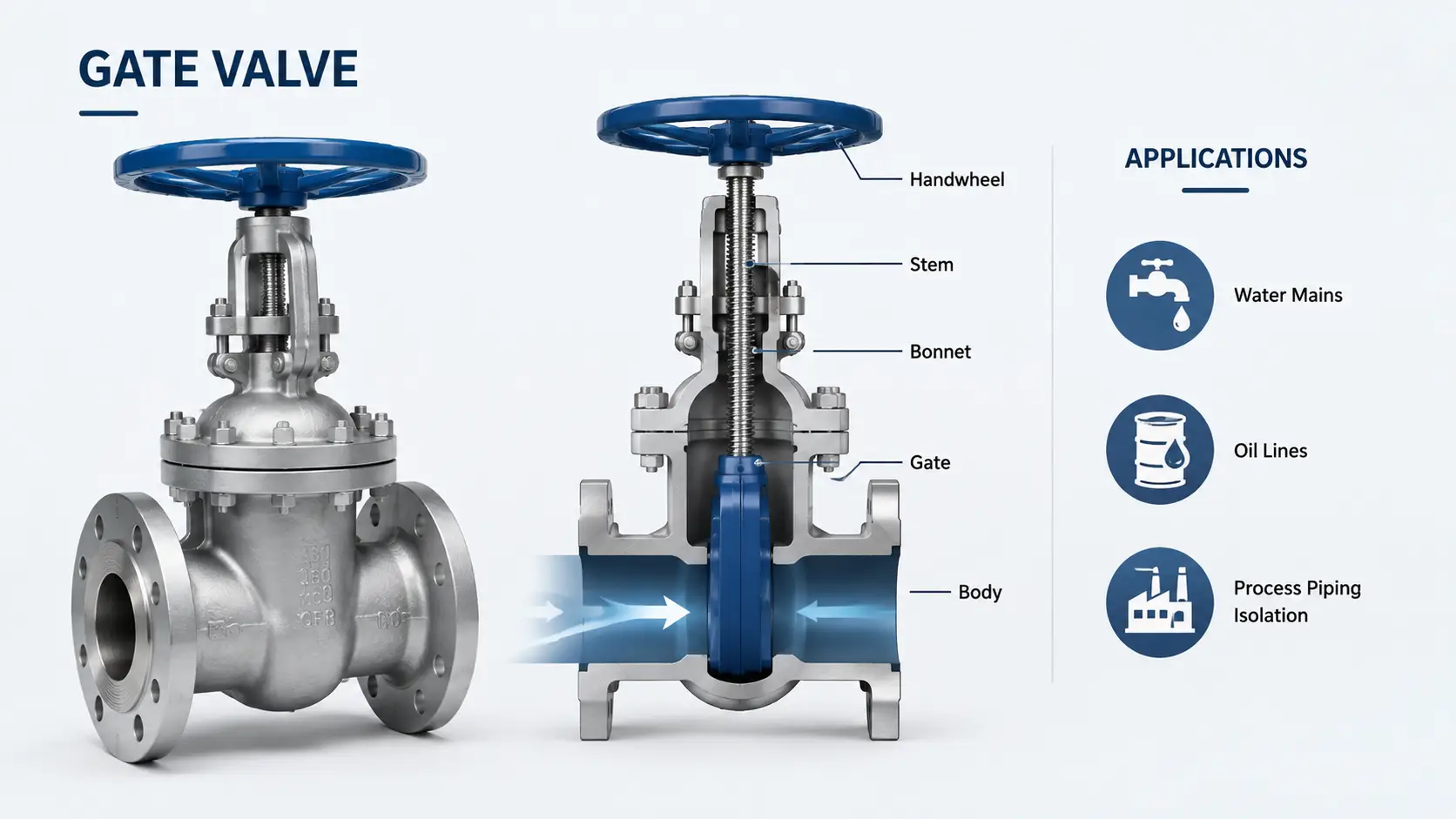
Gate valve is a valve that has a gate that moves at right angles to the direction of the fluid. The handwheel will rotate and adjust the stem, thereby opening and closing the gate. When fully open, the gate withdraws from the main passage, which helps minimize resistance. Common gate valve applications include water mains, oil lines and process-piping isolation.
Gate valves may use rising or non-rising stems and wedge or parallel gate designs. Buyers comparing these designs with other industrial valves should first determine whether the valve’s primary function is isolation, regulation, non-return control or pressure protection.
What Is a Globe Valve?
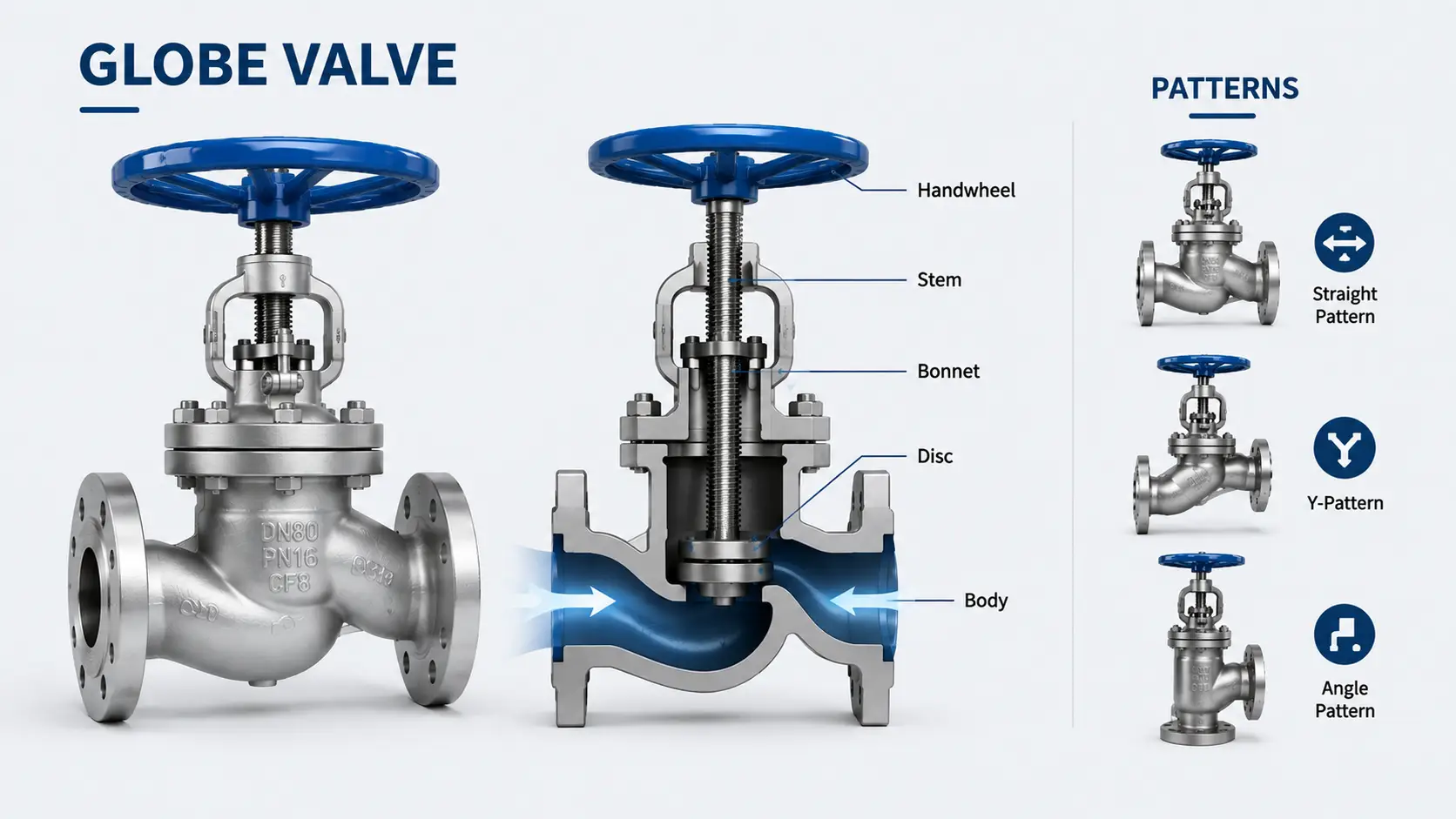
A globe valve uses a disc that moves towards or away from a fixed seat. The opening between the disc and seat changes gradually, making globe valve flow control more practical. However, the internal passage redirects the fluid, producing greater resistance than a fully open gate valve.
Straight-pattern, Y-pattern and angle-pattern globe valves support different installation needs. Manual and actuated arrangements may also be available. Related actuation and regulation products can be explored through the valves and controls category.
Flow Control and Pressure Drop
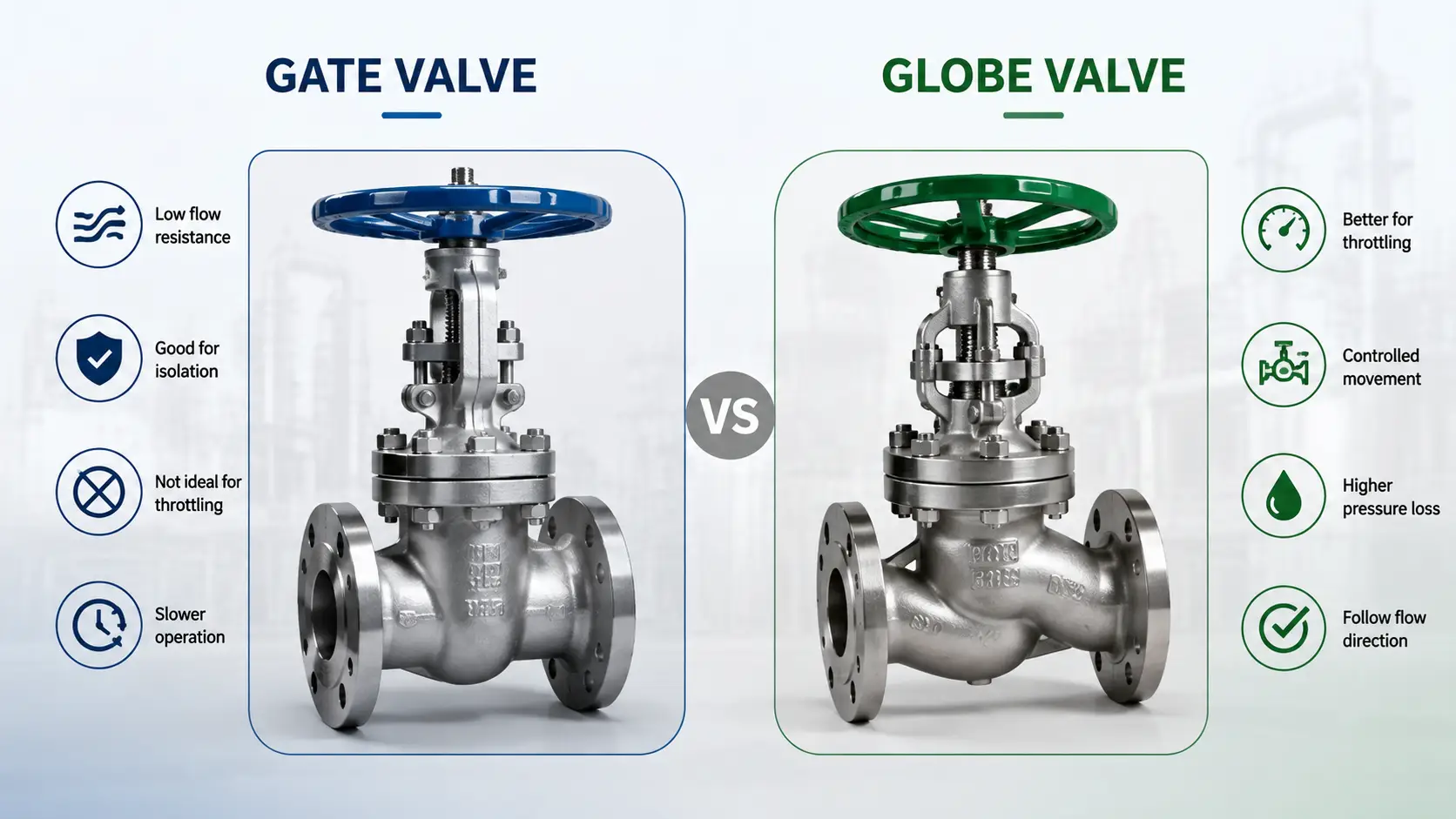
The most important gate valve vs globe valve difference concerns flow regulation. A partially open gate may experience vibration, uneven flow, seat wear and erosion. Therefore, gate valve flow control is normally limited to full-open or full-closed operation.
A globe valve provides more controlled disc movement, but the redirected flow creates a higher globe valve pressure drop. Where pumping energy or available system pressure matters, engineers should review manufacturer-specific flow coefficients rather than relying only on a general valve comparison.
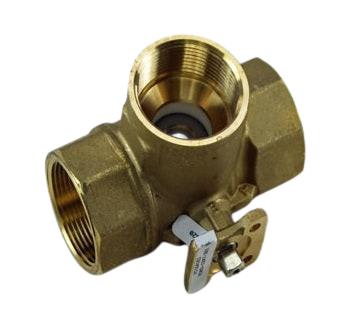
For applications requiring quick quarter-turn isolation, a ball valve may also be evaluated. One example is the Apollo 82-108-01 two-inch full-port ball valve . It is a different valve design, so its specifications must be assessed independently.
Water and Steam Applications
For a gate valve or globe valve for water decision, gate valves are often considered where the line mainly requires isolation and low resistance. Globe valves may suit water services requiring repeated adjustment. Depending on the operating duty, an alternative such as the Apollo 70-600 Series two-way ball valve may also be reviewed.
In steam systems, the decision depends on function. A gate valve may suit isolation, while a globe valve may be considered for regulation. Steam pressure, temperature, condensate, flow velocity, body material, trim and seat design must all be considered before selection.
Oil, Gas and Process Applications
The gate valve vs globe valve for oil and gas comparison must consider pressure class, temperature, corrosion, fire-safety requirements, testing and documentation. Gate valves are frequently associated with process isolation, whereas globe valves can support controlled flow in suitable services.
Buyers researching available market options can review the Apollo Valves product listings. These listings are provided for independent sourcing and product research; they do not imply manufacturer authorization, partnership or endorsement.
Advantages and Disadvantages
Gate Valve
Provides relatively low flow resistance when fully open.
Suitable for many full-line isolation duties.
Generally unsuitable for continuous throttling.
Multi-turn operation may be slower than quarter-turn alternatives.
Globe Valve
Better suited to throttling and repeated adjustment.
Provides controlled movement between the disc and seat.
Creates more pressure loss due to its internal flow path.
Flow direction and installation requirements must be followed.
Operating speed and available space can influence selection. For comparison, the Apollo 94A-10A-01 four-inch ball valve uses a quarter-turn mechanism, unlike the multi-turn operation normally associated with gate and globe valves.
Isolation, Regulation and Pressure Protection
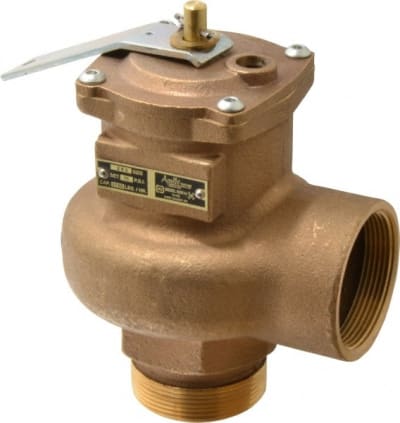
Isolation, flow regulation and overpressure protection are separate functions. A relief valve opens at specified conditions to protect equipment or piping. For example, the Apollo 29-202A-100 pressure relief valve should not be treated as a replacement for either a gate or globe valve.
Engineering note: A valve type alone does not confirm product suitability. Check pressure-temperature ratings, materials, trim, shutoff requirements, flow direction, end connections, actuation and governing project standards.
How to Make a Gate Valve vs Globe Valve Selection
Start with the operating duty. For gate valve vs globe valve for throttling, a globe valve is generally more appropriate. For isolation with minimal pressure loss, a gate valve may be considered. A complete RFQ should include:
Valve type, nominal size and pressure class
Design pressure and temperature
Process medium and flow direction
Body, trim, seat and stem materials
End connections and face-to-face requirements
Manual, pneumatic or electric operation
Testing, certification and documentation requirements
Applicable standards and required editions
Depending on the valve design and project specification, the relevant standards could be ASME B16.34, API 600, API 602 or API 623. Confirm their current scope and edition before procurement.
Frequently Asked Questions
What is the main gate valve vs globe valve difference?
Two types of valves that are used primarily for on/off isolation are the gate valve and the globe valve, which is used more for flow regulation and throttling.
Which valve has lower pressure loss?
A fully open gate valve generally has lower resistance. The actual pressure loss will vary according to size, internal geometry, flow rate and manufacturer data.
Can a gate valve be used for throttling?
Routine throttling is normally not recommended as it can lead to turbulence, vibration, erosion and wear of seats.
Final Selection Advice
To choose the correct gate valve and globe valve, you should consider isolation duty, throttling duty, process medium, temperature, material, operating frequency, and applicable standards. Check the full specification with the existing project documents and manufacturer's information before placing an order.
Have an industrial valve requirement?
Share your specifications, existing part number or operating conditions with ZF Corporation’s independent sourcing team.
Talk to Our Specialist
Disclaimer: Z&F Corporation is not affiliated with, authorized by, endorsed by, or acting as an official representative of any manufacturer, brand, or trademark owner referenced on this website. All product names, trademarks, brand names, logos, and manufacturer references are the property of their respective owners and are used solely for identification, reference, and compatibility purposes.