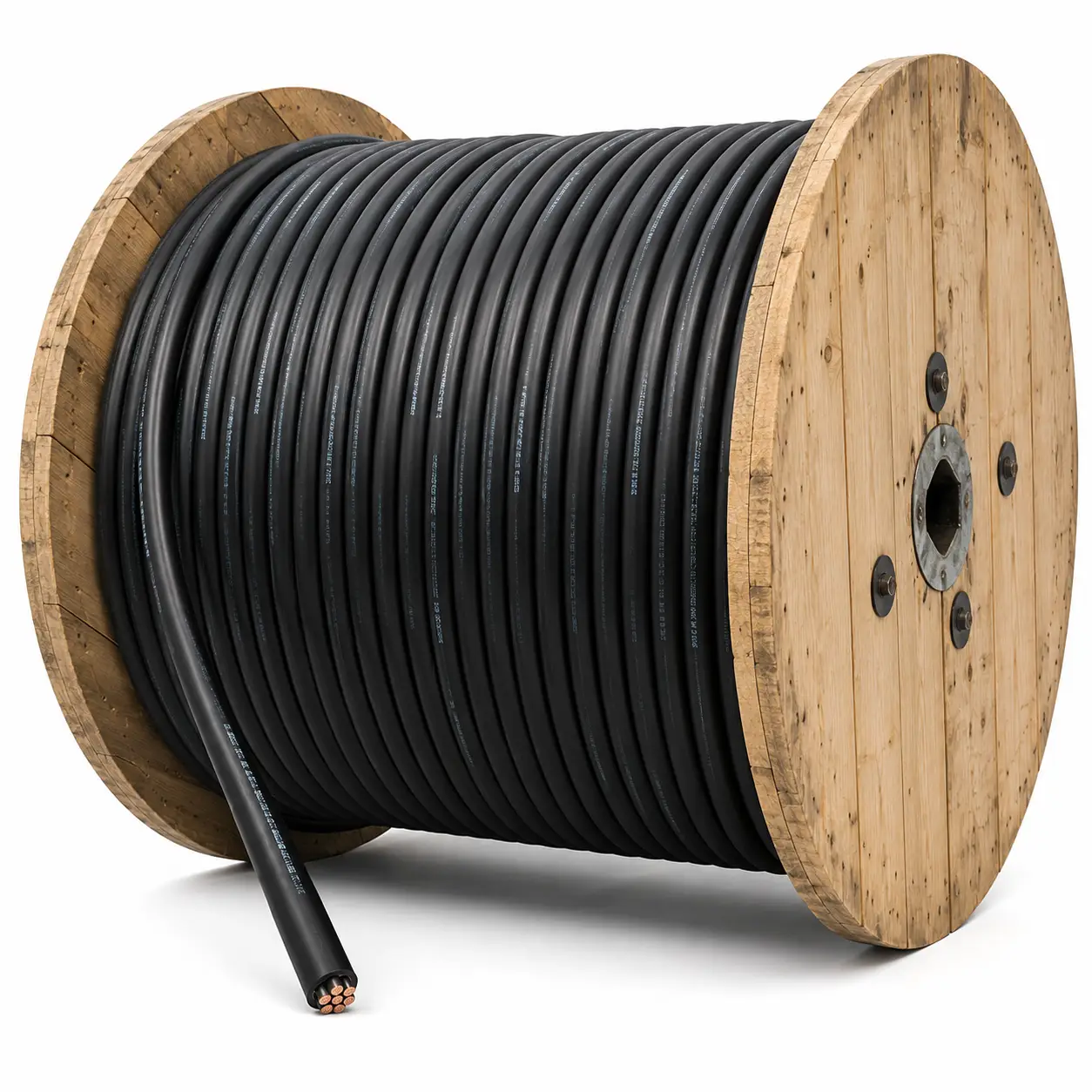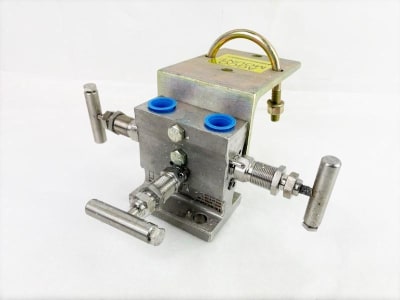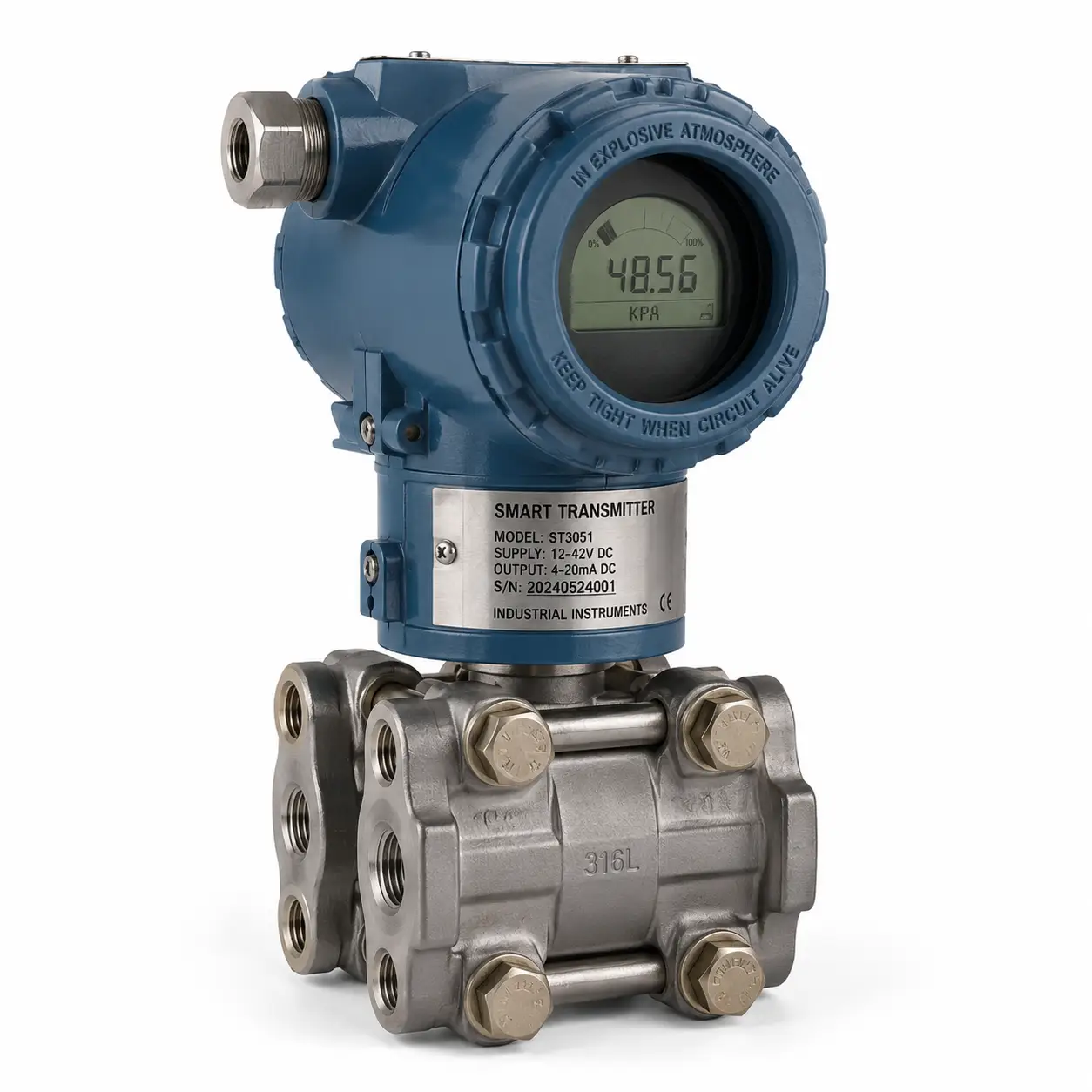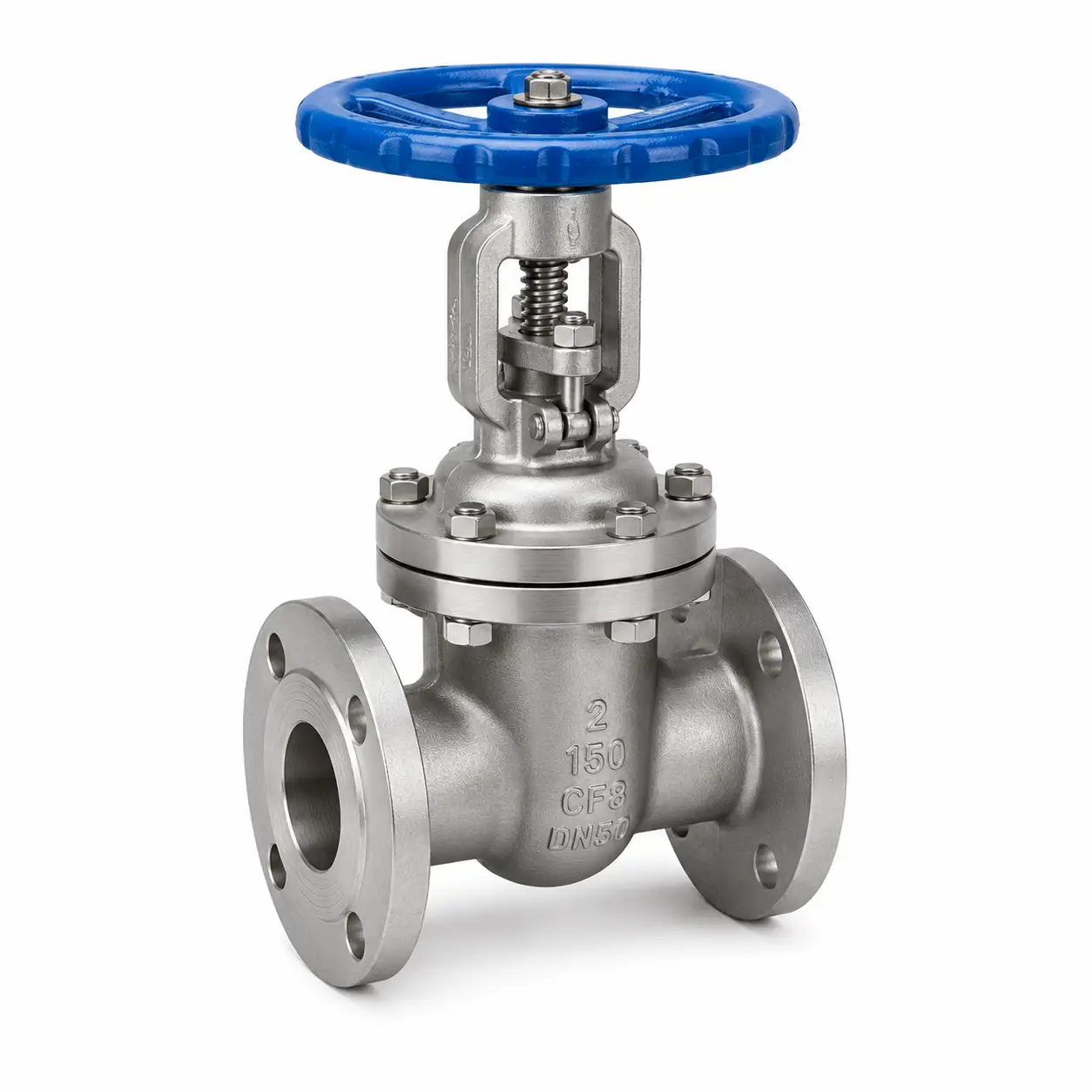
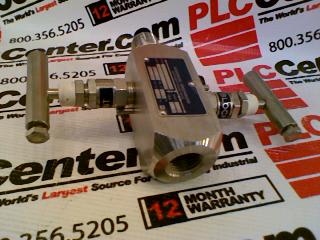
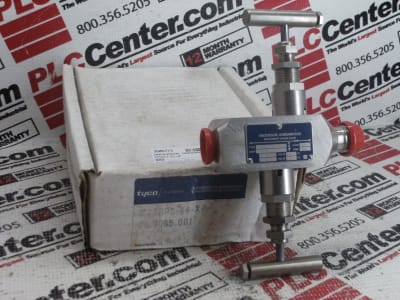
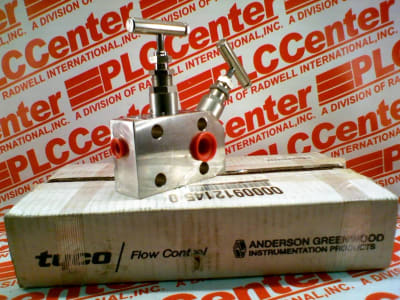
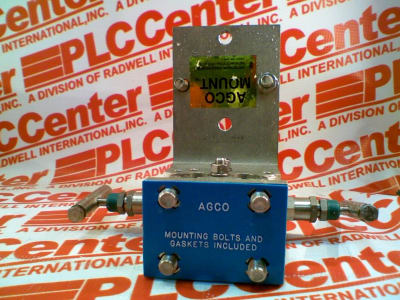
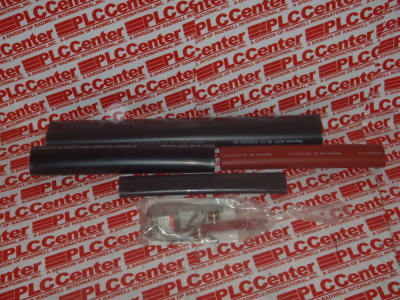
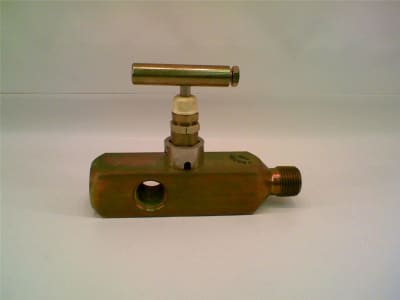
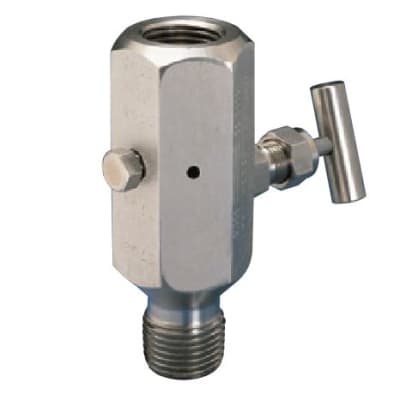
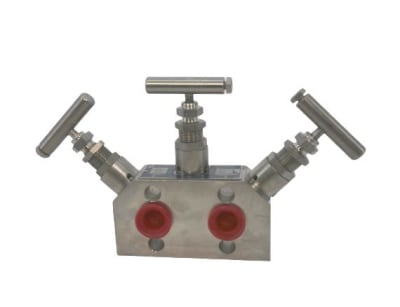
Anderson Greenwood's name in our stock covers process control instrumentation rather than one single product: instrumentation manifolds (3-valve and 5-valve configurations for isolating and equalising pressure/differential-pressure transmitters), control valves for flow and pressure regulation, and supporting instrumentation and measurement hardware including pressure gauges and pressure transmitters. A handful of general cable and connector products round out the range.
The manifold range is the largest single product type — 3-valve manifolds for straightforward transmitter isolation, and 5-valve manifolds where a natural-gas or high-pressure application (rated to 4000–6000 PSI in some listings) needs additional venting and equalising valves beyond the basic set. Getting manifold configuration right matters for both safety and calibration accuracy: a transmitter connected through the wrong manifold type can be difficult or unsafe to isolate for maintenance, or can introduce measurement error if the equalising valve isn't seated correctly during normal operation.
A small number of Anderson Greenwood products also appear under our Safety and Safety Equipment categories, reflecting the safety-instrumentation side of process control rather than a separate product line. We are not Anderson Greenwood, and not an authorised Anderson Greenwood distributor — we source and supply genuine stock from our own inventory.
Frequently Asked Questions
Q: What's the difference between a 3-valve and 5-valve manifold?
A: A 3-valve manifold provides basic isolation and equalisation for a differential-pressure transmitter; a 5-valve manifold adds venting valves, typically specified for higher-pressure or hazardous-fluid applications like natural gas service.
Q: Can I isolate a transmitter for maintenance without removing it from the process line?
A: Yes — that's the manifold's purpose: closing the isolation valves lets you service or remove the transmitter itself while the process line stays intact, provided the manifold is correctly rated and fitted for your line pressure.
Q: Do control valves and manifolds need to be from the same manufacturer to work together?
A: Not necessarily, provided pressure rating, connection type and thread/flange standard match — but matching manufacturer simplifies spares and reduces the risk of a compatibility mismatch.