What Is a Solenoid Valve and How Does It Work?
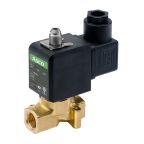
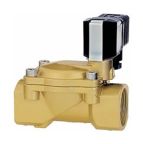
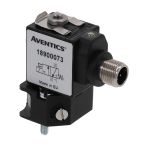
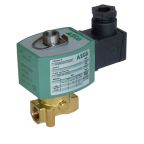
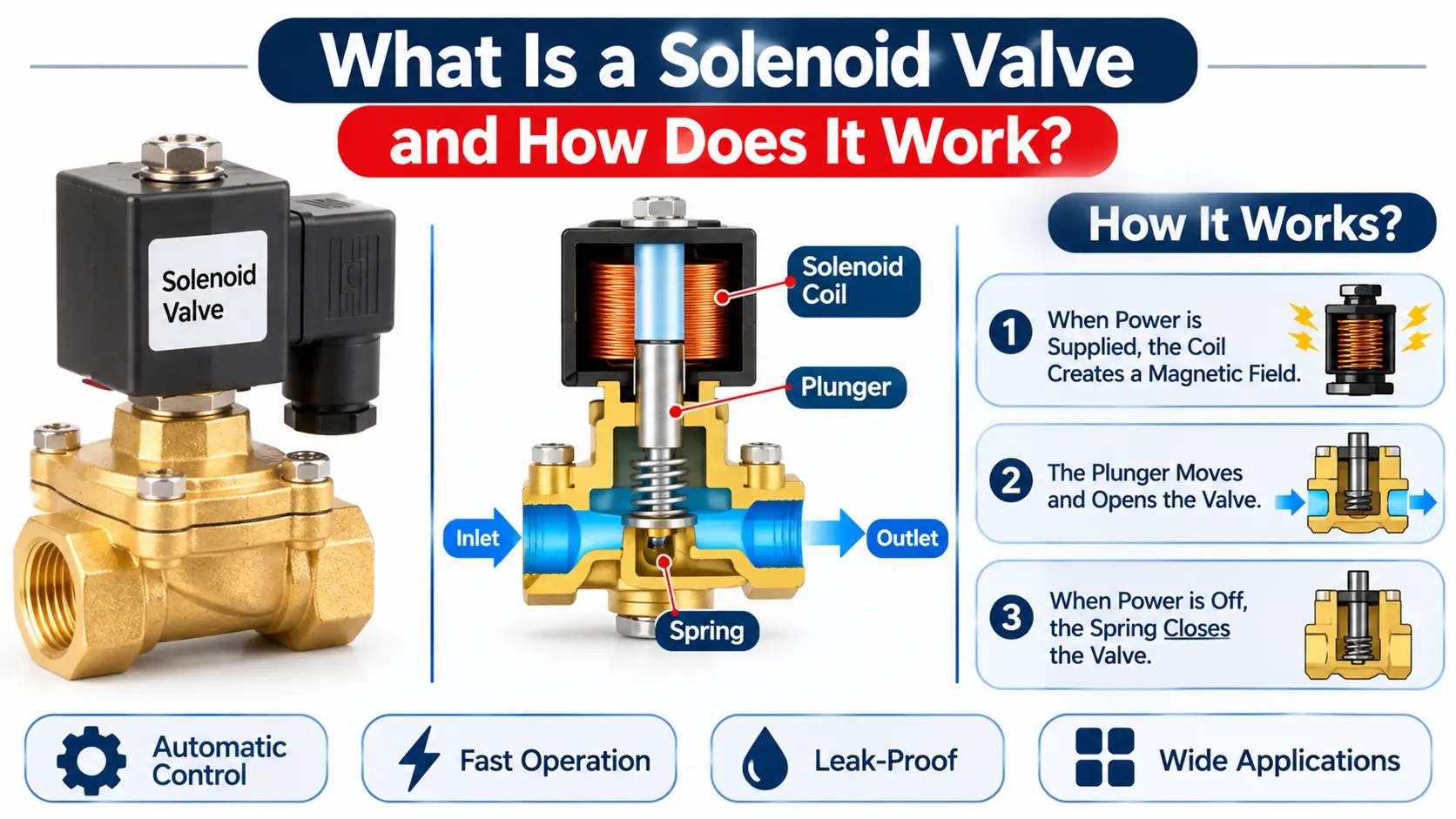
Solenoid valve is a valve that is operated by electricity. When power is sent to the coil, it opens or closes, and with the loss of power from the coil, a spring returns it to its default state.
The coil is coiled around a hollow tube inside. The current generates a magnetic field which pulls the plunger up and off a tiny opening called the "orifice". Fluid or gas then flows through. The current is turned off, the field gives way and the spring pushes the plunger back in place.
Imagine it as a liquid/gas switch. Similar, but slower, gate and globe valves are available and require person to be standing there to operate. When speed and remote control or automation are the winning combination, a solenoid valve is the winner.
Most are normal closure, i.e. remain closed unless they are powered. Normally open versions do the reverse. The response times are typically in milliseconds, and that's a millisecond that no man with a wrench can beat.
Need help specifying a valve? Request a Quote with media, pressure, flow, coil voltage and valve state listed, and our team will review it.
The Main Parts Inside a Solenoid Valve
Open a solenoid valve and you will see that it is not as complicated to put together as it may seem. Which is good because less moving parts generally means less headaches, etc.
The electrical heart is the coil. The moving metal core is called the plunger, and a return spring establishes the "default" position. The orifice provides the actual flow control, the body provides the integration and seals provide media containment.
Here’s what most people miss. The coil must be supplied correctly and clean, and for larger systems, it may not be switched directly from a controller but instead from another controller. A relay or a contactor typically performs that function and our relay and contactor difference tutorial covers which one is used for which load.
Body material is more important than one realizes. Brass is capable of taking water, air and many neutral fluids. For corrosive media, stainless steel is the more secure option and for higher temperature applications or food lines, stainless steel is a better choice, whereas plastic bodies come up in light duty water treatment applications.
But seals should also be given special recognition. NBR is compatible with general water, air and oils, EPDM with hot water and steam, and FKM/PTFE with harsh chemicals.
Types of Solenoid Valve You’ll Actually Meet
There are dozens of types of solenoid valves on catalogues but almost all the valves are grouped together.
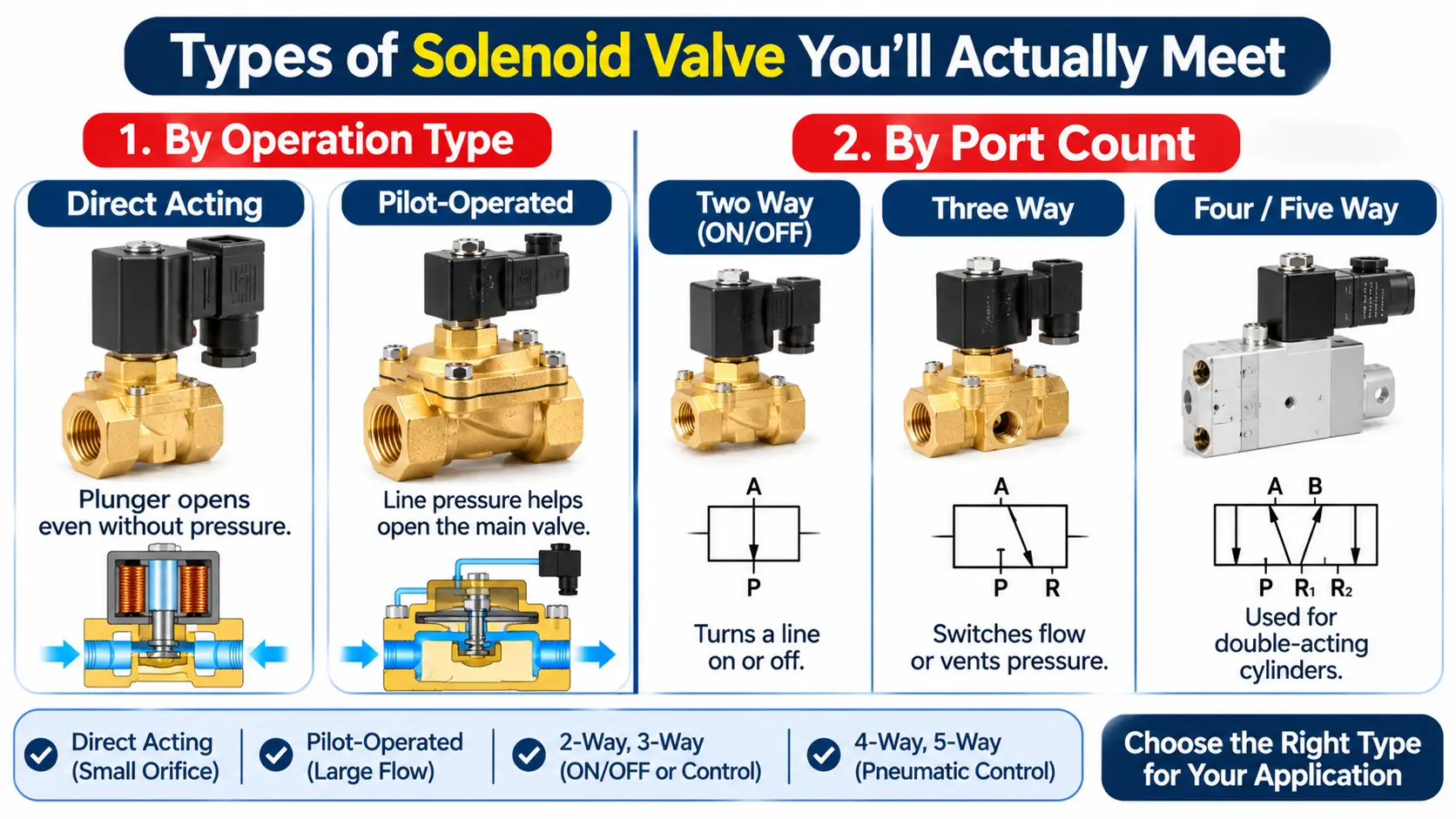
The simplest valves are direct acting. The plunger opens the main orifice even without any pressure. The catch is that it is a coil, and they are only as strong as they are, so the orifice remains small.
Pilot-operated valves use the line pressure to assist opening the main valve. This allows a small coil to operate a large flow. The down side is, they require some minimum pressure differential across the valve, so be sure to look at the datasheet before ordering.
Then, there's port count. Two way valves turn a line on or off. They are used in pneumatic cylinders as a three way switch because they can switch flow between two paths or vent pressure, and four or five way versions are used to drive double-acting cylinders. All that world is under pneumatics and fluid control, and if you are building automation, it's worth exploring.
Where a Solenoid Valve Gets Used
Wherever, when something needs to be turned on or off and no one is there. They are applied in water treatment plants in the form of doses and backwash cycles. They are used in boilers on fuel lines and steam lines, and in food and beverage facilities for their high resistance to corrosion for hygiene.
These compressed air systems may be the largest consumer. There are a few of these hidden in each of the automated tools, sorters or packaging machines. They are used in refrigeration and HVAC to regulate the flow of refrigerant and are used in chemical dosing for repeatable shutoff.
Imagine a bottling line that is working at full production. When one valve sticks at the wrong time, the entire line sits idle while someone searches the line for the defect. That's why the brand is important and brands such as Emerson have solenoid valve ranges that are suitable for industrial and process duty, and therefore a logical starting point in comparing.
How to Choose the Right Solenoid Valve
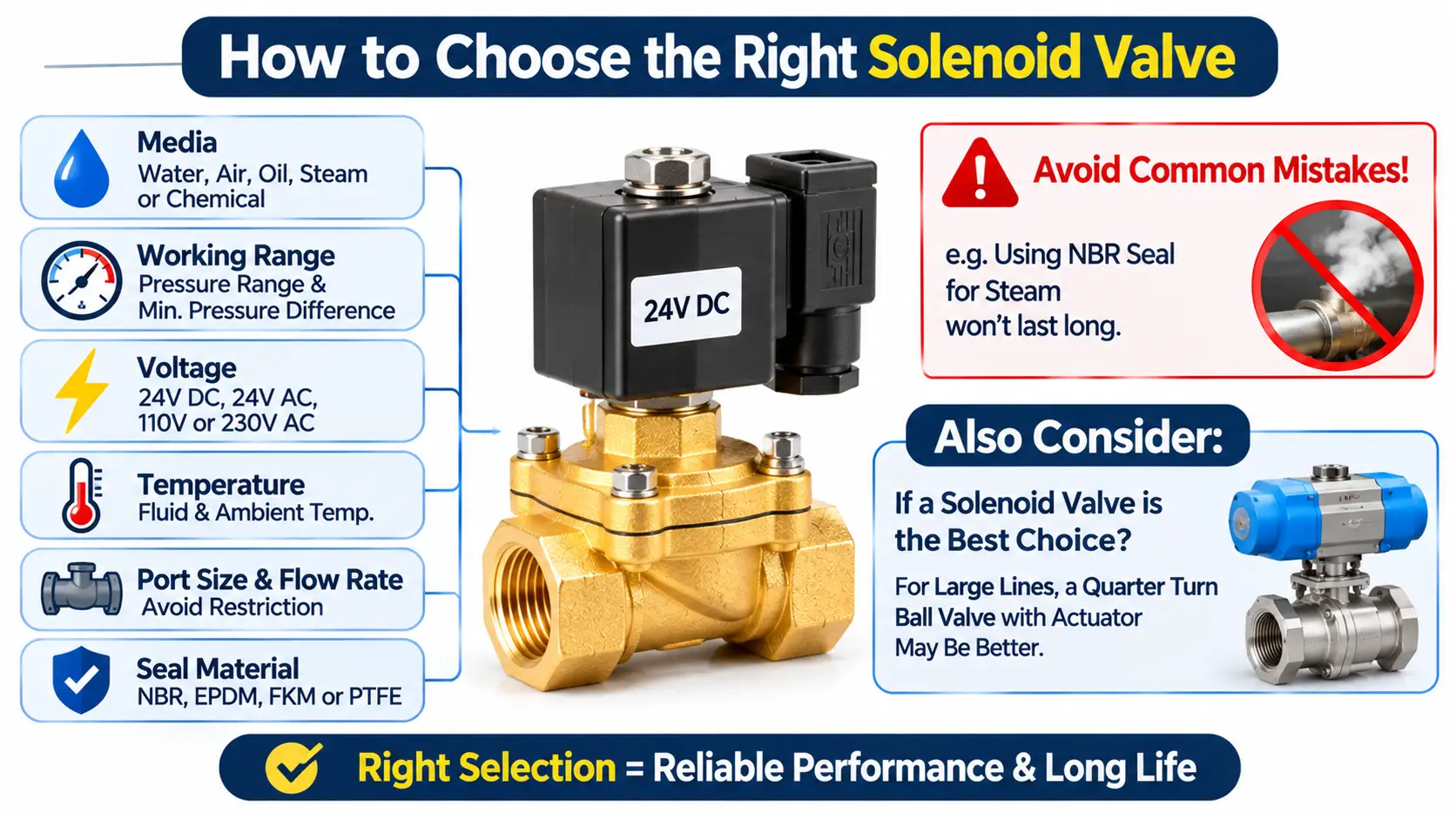
This is the most expensive error in all this topic. The vast majority of failures can be related to a mismatch on paper — not a poor product. Before ordering check this list:
Media: water, air, oil, steam or chemical, the body and seals must be appropriate to it.
Working range: the range of pressure at which the instrument is designed to operate, plus the minimum pressure difference for the pilot types.
Voltage: 24V DC, 24V AC, 110V or 230V AC, matched to your supply
Temperature: temperature of both the fluid and the surrounding.
Port size and flow rating: so that the line is not starved
The seal material ranges from NBR to EPDM, FKM or PTFE and is selected based on the fluid to be used.
Avoid missing any of these and you will know the difference down the road. Steam through a standard NBR seal, for example, won’t last long.
Additional comments on voltage. Coils designed for 24/7 operation get warm when used 24/7. However, if you can't hold onto a coil for more than a second or two, or the coil smells burnt, there is a problem.
In addition, inquire if a solenoid valve is the proper tool for the job. For large bore lines, a quarter turn ball valve with an actuator may be a better choice and our industrial ball valves buyer guide outlines what to consider before you buy.
Common Solenoid Valve Problems and Quick Fixes
A well-functioning solenoid valve does not always perform well. Fortunately, the same handful of culprits emerge again and again.
Typically, there is dirt preventing the plunger from seating, or the voltage is low, to cause a humming coil. The most common failure is coil burnout which results from incorrect voltage, over heating or turning on an AC coil when the plunger is jammed. If the valve does not open, first make sure that the supply voltage is correct, and then check the pressure difference for pilot types.
Is there any leakage across the seat? That’s normally debris or swollen seals. Most of this is prevented by a small strainer upstream and, come to think of it, a couple of minutes of strainer checking is better than a new coil and an afternoon of downtime.
The solenoid isn't necessarily the primary cause of the problem on larger valves. It is a pilot for an actuator; manufacturers like Rotork manufacture actuators for this purpose; a slow-moving movement may not be the coil, but the actuator.
9. Frequently Asked Questions
What is a solenoid valve?
A valve that opens or closes the flow for automatic control by moving a plunger through the use of an electromagnetic coil.
How does a solenoid valve work?
Current in the coil produces a magnetic field which lifts the plunger against a spring. The spring resets when current stops.
What is the difference between normally open and normally closed?
Normally closed valves are closed in de-energized state. Normally-open valves are open when not energized. Select by fail position required.
When should you use a direct acting vs pilot operated valve?
Direct acting is for zero pressure/vacuum and small flow. Use pilot operated for higher flow where differential pressure is available.
What is the Kv value of a solenoid valve?
Kv is the flow of water in cubic meters per hour at a pressure drop of 1 bar. It is used to size the valve for a required flowrate.
What fluids can a solenoid valve handle?
Air, water, oil, gas, steam and many chemicals depending on body and seal materials. Browse our industrial valves and check out each datasheet.
10. Conclusion
Choosing a solenoid valve means matching media, pressure, flow, voltage and fail position to the right configuration. Verify everything against manufacturer datasheets, and compare more options in our valves and controls range.
Brand names are used for identification only and imply no partnership or endorsement by Z&F Corporation. Verify specifications against current manufacturer documentation.
Need to confirm your process conditions before purchase? Talk to Our Specialist and we will help identify the right configuration.