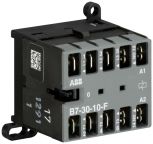
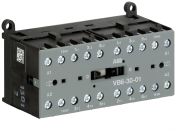
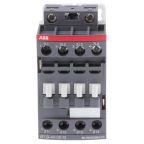
A contactor is a simple part on paper — an electrically-operated switch — but the wrong coil voltage or the wrong utilization category is a common enough mistake that it's worth checking against a short list before ordering. Z & F Corporation Ltd supplies genuine contactors across common pole counts and coil types, sourced through manufacturer and authorised distributor channels with full documentation on request.
- ⚡ Coil voltage & type — AC or DC, and the exact voltage; a 230V AC coil will not run reliably on 110V, and DC coils aren't interchangeable with AC ones.
- 🔢 Pole count & auxiliary contacts — 3-pole for most three-phase motor circuits, plus any extra NO/NC auxiliary contacts the control circuit needs.
- 🎯 Utilization category — AC-3 for standard motor starting/stopping duty, AC-1 for resistive loads; using the wrong category shortens contact life significantly.
- ⚙️ Rated current / motor power — sized to the full load current of the motor or load, not just the panel's main breaker rating.
Where a contactor is switching a motor rather than a resistive load, get the utilization category (AC-3, typically) and the rated operational current right before anything else — a contactor rated for AC-1 duty at the same current figure will wear out its contacts far faster under motor starting current.
Pro tip — Coil voltage mismatches are the single most common contactor return we see — double-check the coil voltage marked on the old part (not just the panel's supply voltage) before ordering a replacement, especially on control circuits stepped down through a transformer.
We supply contactors for projects worldwide, with the UK, Gulf and South Asia among our most active markets. Send us the part number or motor nameplate details and request a quote — we'll confirm fit, lead time and documentation.