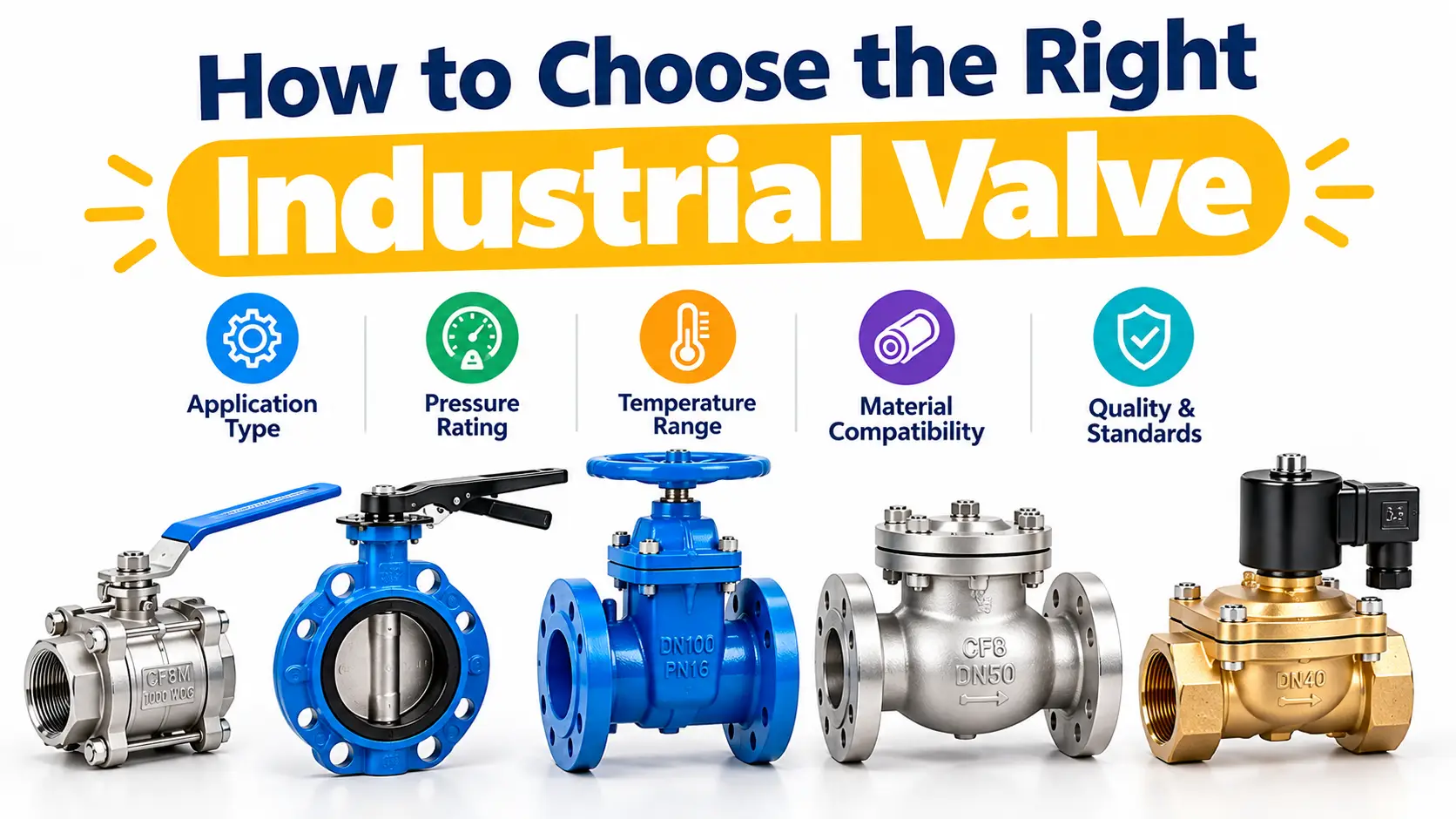
How to Choose an Industrial Valve: Complete Selection Guide
How to choose an industrial valve comes down to matching the valve to the job, not the pipe. A wrong choice causes leaks, lost control and unplanned shutdowns. This guide shows how to choose an industrial valve in seven steps, from service conditions and pressure-temperature rating to materials, end connections, actuation and standards, so you can specify with confidence.
Need help specifying a valve? Request a Quote and our team will review your requirements.
1. What Factors Drive Industrial Valve Selection?
There are five questions that lie the foundations of any good industrial valve selection guide. What is the media? What is the pressure and the temperature? What is the job of the valve? How will it be connected? How will it work? All subsequent answers are determined by the answers given, and pipe size just a connection detail. Follow this procedure when replacing valves or adding new valves to a new line, and review the valve maintenance requirements at the same time. If you need a review, check out our industrial valve basics.
2. Step 1: Define Service Conditions and Media Properties
Write down the media type, phase, viscosity, solids content, minimum and maximum pressure and operating temperature. Factor in conditions of upset (surges, etc.). This is where the "how to size industrial valve work" starts, because how fast the valve will flow and the amount of pressure drop is based upon the same data. Media changes the answer: Gas lines require a gas shut-off ball valve because gas duty must have a tight shut-off, and slurries require an erosion-resistant trim because they will damage the valve's structural integrity if they get into the valve disc. Full-bore designs are used to minimize restriction for high viscosity fluids.
3. Step 2: Select Valve Type Based on Function
The first step of choosing an industrial valve is to determine if the valve should isolate, throttle or prevent backflow. This is a comparison of the common choices of gate globe ball butterfly valves.
|
Valve |
Best Use |
Limitation |
|---|---|---|
|
Gate |
Full-bore isolation |
Not for throttling |
|
Globe |
Throttling |
Higher pressure drop |
|
Ball |
Fast shutoff, clean media |
Poor for prolonged throttling |
|
Butterfly |
Large lines, compact |
Limited shutoff in standard designs |
|
Check |
Backflow prevention |
No manual control |
|
Control |
Automatic regulation |
Needs actuator and positioner |
Gate valve vs globe valve isolation is very simple – gate valve is for isolation, globe valve is for throttling. You'll find a detailed discussion of ball designs in our ball valve buyer guide.
4. Step 3: Match Pressure-Temperature Rating to Pipeline MAWP
Pressure class, e.g., Class 150 or 300, is a standard designation. The maximum allowable working pressure (MAWP) is the working pressure of the actual pipeline at temperature. Match valve pressure class to pipeline MAWP, read valve pressure temp rating at operating temp as per ASME B16.34, allowable pressure decreases with increasing temp.
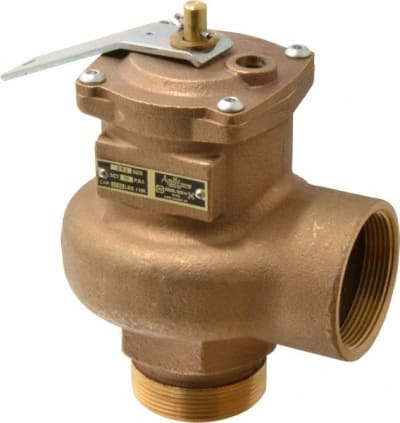
These limits are shown on each of the datasheets. For instance, steam relief valve, has a maximum pressure and maximum temperature limit. Choosing the right industrial valve for steam service involves using the alloy steel body, metal or graphite seating and should always be done in conjunction with the nameplate class. Fill out the valve pressure temperature rating check prior to price comparison.
5. Step 4: Choose Body and Trim Materials
-
Carbon steel: non-corrosive hydrocarbons.
-
Stainless steel: general corrosion resistance.
-
Alloy steel: high temperature and severe service.
-
Lined valves: aggressive chemicals.
Valve seat and seal selection is part of good valve material selection. A lead-free bronze valve with a stainless ball and stem is often specified for drinking-water lines. When choosing valve material for corrosive fluids, consider media chemistry and temperature. Hard-faced trim is required for erosive slurry. Note valve material selection decisions on data sheet for everyone to know.
6. Step 5: Select End Connections and Face-to-Face Dimensions
-
Flanged: easy maintenance, larger lines.
-
Threaded: small bore, lower pressure.
-
Socket weld: small, high-integrity lines.
-
Butt weld: permanent high-pressure service.
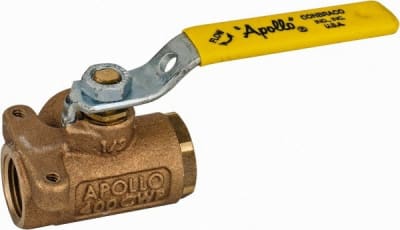
The other types of valve end connections also have an impact on installation time and ease of maintenance access, as well as the need to match with the pipeline standard and flange rating. Verify the type of thread or flange on all datasheets, as on this 600 CWP ball valve. Verify the face-to-face dimension to ensure the valve will fit the dimension of the opening.
7. Step 6: Determine Actuation and Control Requirements
The choice of valve actuation is contingent on the duty. Manual valves are appropriate for infrequent use. Opt for actuated valves when you need to operate remotely, need a high number of cycles or the valve is in a hazardous area or requires high torque. This is what actuated valve vs manual valve is all about. Also consider fail position and available power when selecting a valve actuator.
Pneumatic actuators are quick and easy. Use Electric Actuators for precise positioning without compressed air. The hydraulic actuators produce extremely high forces. A positioner is also required for the control duty. Research valves and controls to get a sense of the various choices.
8. Step 7: Verify Standards Compliance and Documentation
Industrial valve standards API ASME define design, testing and ratings:
-
API 6D: pipeline valves.
-
API 600: steel gate valves.
-
ASME B16.34: pressure-temperature ratings.
-
ISO 5208: leak testing.
-
ISO 15848: fugitive emissions.
It's also important to know the valve shutoff class leakage standard. The stricter classes (I to VI) according to ANSI/FCI 70-2, the acceptable levels of seat leakage, the more expensive the seat. Fugitive emissions are an important source of leaking valves, so be sure to carefully specify stem seals. Correlate Industrial valve API and ASME valve standards with service: Pipeline duty to API 6D, General process duty to ASME B16.34 ratings. Ask for certificates and test reports from any manufacturer, including Apollo Valves.
9. Valve Selection Decision Matrix
This industrial valve selection guide matrix is a summary of the above gate globe ball butterfly valve comparison and shows how to select an industrial valve by service. To size an industrial valve: Determine the flow coefficient. Cv is the amount of water in US gallons per minute at a 1 psi pressure drop. The unit of kv is cubic metres per hour, at 1 bar. Employ manufacturer software or ISA/IEC formulas, valves size should be based on hydraulic requirement and not on pipe size.
|
Service |
Typical Choice |
Key Check |
|---|---|---|
|
Isolation, clean liquid |
Ball or gate |
Pressure class |
|
Throttling |
Globe or control valve |
Cv/Kv, pressure drop |
|
Pump discharge |
Check valve |
Flow direction |
|
High-temperature steam |
Alloy steel, metal seat |
Temperature derating |
|
Corrosive chemical |
Lined or alloy |
Material compatibility |
Compare more options in our valves category.
10. Common Valve Selection Mistakes to Avoid
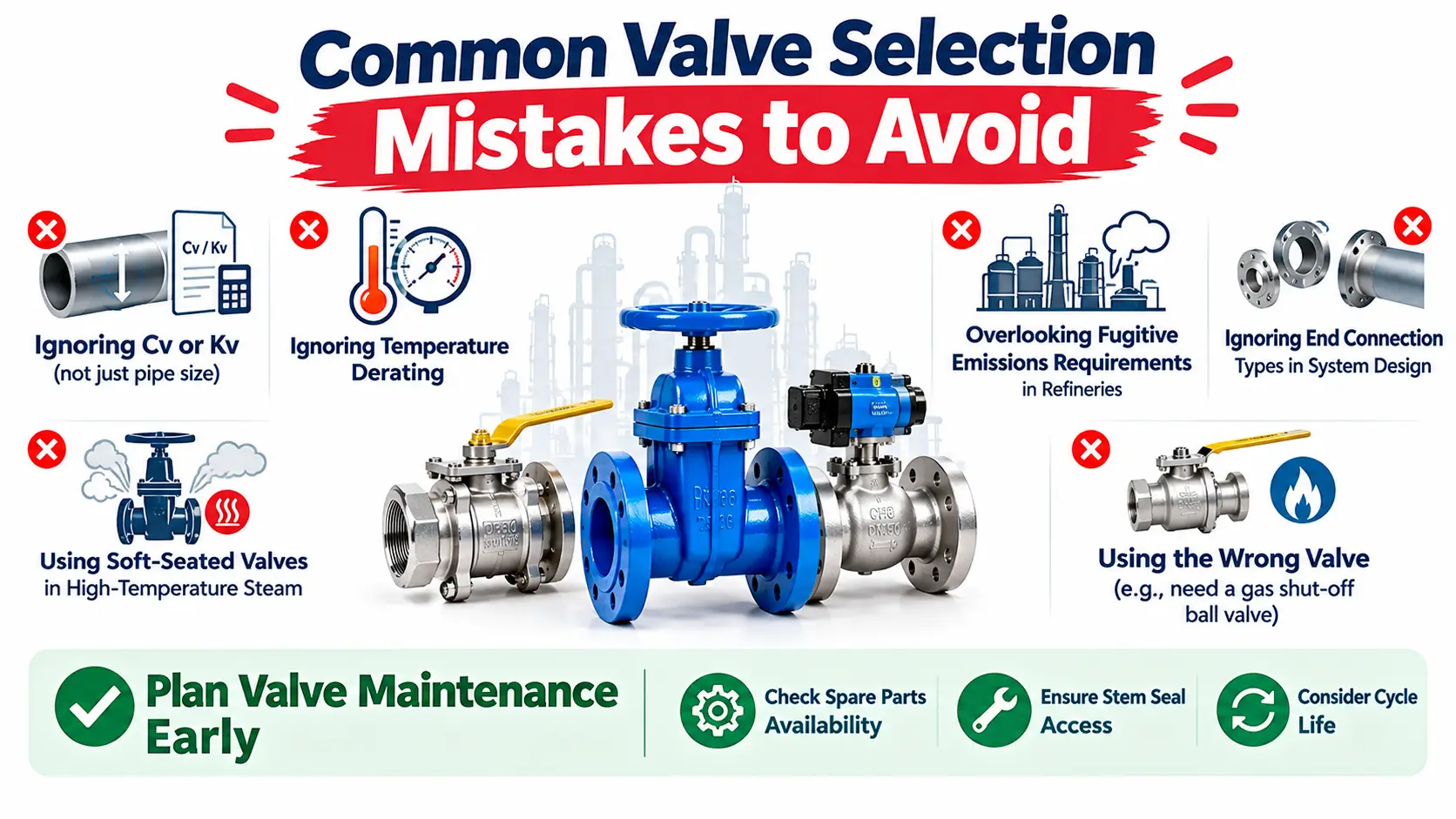
-
Selecting by pipe size without calculating Cv or Kv.
-
Failure to consider temperature derating of pressure class ratings.
-
Using soft-seated valves in high-temperature steam.
-
Overlooking fugitive emissions requirements in refineries.
-
Failure to carefully consider valve end connection types as part of system design.
-
Using a general-purpose valve where a gas shut-off ball valve is needed.
Plan valve maintenance requirements early: check spare parts availability, stem seal access and cycle life.
11. Frequently Asked Questions
What is the first step in choosing an industrial valve?
Define Media, Pressure, Temperature and the function required. Our guide to industrial valve basics will tell you the basics.
How do I determine valve size for my pipeline?
To size an industrial valve, calculate the required Cv or Kv from flow rate and pressure drop, then confirm the valve fits the line.
What is the difference between isolation and throttling valves?
Isolation valves, such as gate and ball valves, run fully open or closed. Throttling valves, such as globe and control valves, regulate flow partially open.
How do I verify pressure-temperature compatibility?
Check the valve pressure temperature rating at your operating temperature against pipeline MAWP, using ASME B16.34 tables.
When should I choose an actuated valve?
Valve actuation selection favors actuators for remote operation, frequent cycling, hazardous areas or high-torque sizes.
How often should selected valves be maintained?
Critical valves should be inspected every 6 to 12 months based on the severity of service and the needs of valve maintenance.
What end connection should I use for high-pressure steam?
The strongest welds are butt welds or socket welds. Check valve end connection type with pipeline standard.
What standards should my industrial valve meet?
Industrial valve standards such as API 6D, API 600, ASME B16.34 and ISO 5208 and PED exist.
12. Conclusion
Choosing an industrial valve involves service conditions, function (gate globe ball butterfly valve comparison), rating, materials, connections, actuation and the standards in sequence, and then checking all of this against the latest industrial valve data sheets and datasheets, before ordering. The system is safe with a reliable industrial valve selection guide, and proper valve material selection and maintenance requirements.
Brand names are used for identification only and imply no partnership or endorsement by Z&F Corporation.
Need to verify your valve specification? Talk to Our Specialist and request a procurement consultation.