Moulded Case Circuit Breaker (MCCB) vs Thermal Overload Relay: Which One Does Your Manufacturing Plant Need?
It's a question that comes up on almost every panel build we quote for UK manufacturing sites: do you need an MCCB, a thermal overload relay, or both? The short answer is that they usually protect against different things and end up working together in the same motor circuit — but knowing which one is doing which job (and which one you're actually short of) saves a wasted order and a second trip to the supplier. This guide breaks down what each device does, how they compare, and which one your plant needs for a given circuit.
Not sure which one your circuit needs?
ZF Corporation Supplies
ABB & Allen Bradley MCCBs and Thermal Overload Relays — In Stock for UK Motor Circuits
What Is a Moulded Case Circuit Breaker (MCCB)?
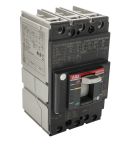
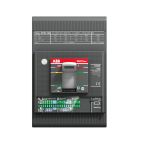
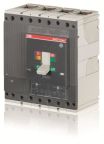
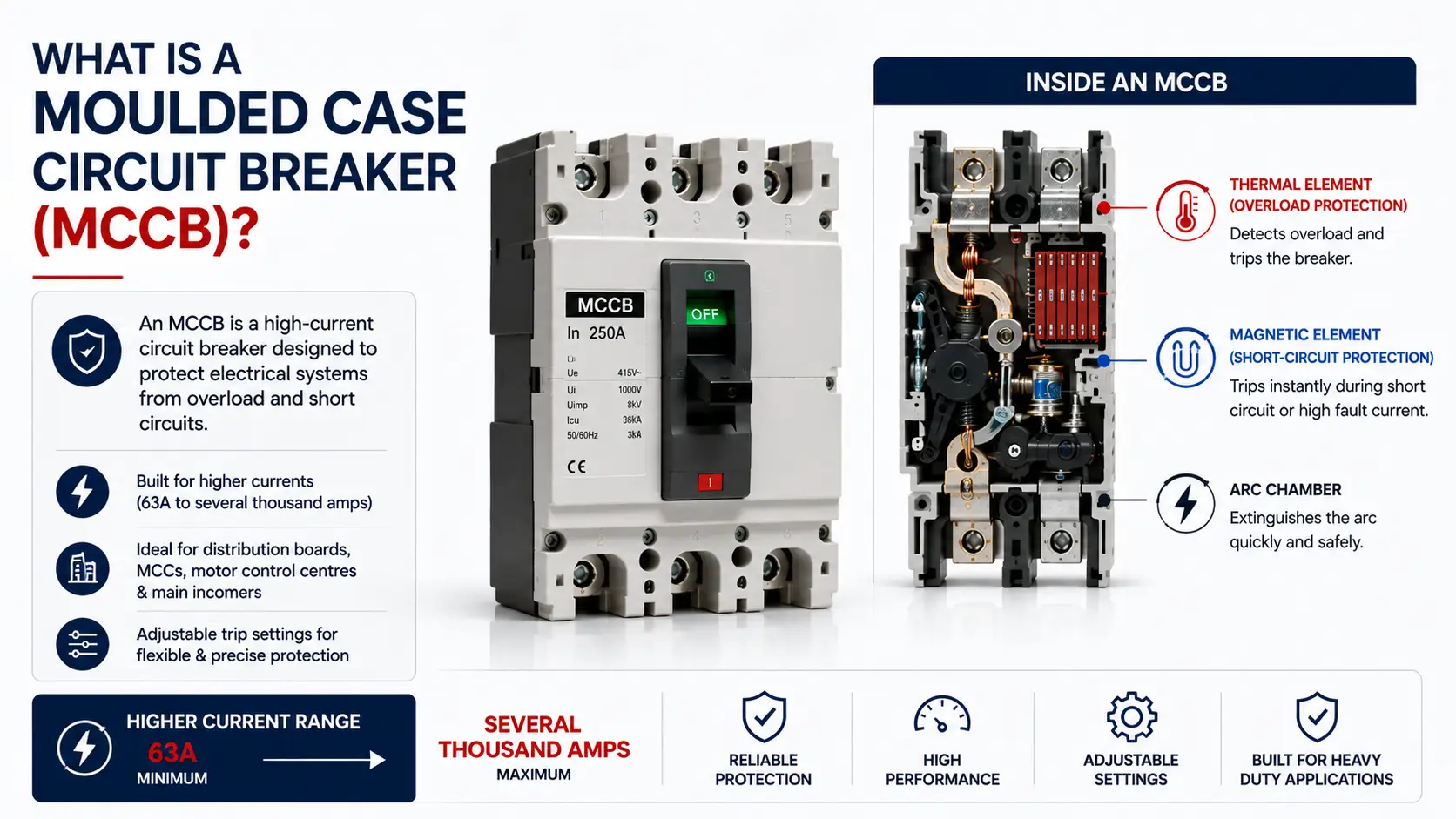
An MCCB is a higher-current circuit breaker, typically rated from around 63A up to several thousand amps, housed in a moulded plastic case. Like an MCB it combines thermal and magnetic tripping to protect a circuit from overload and short-circuit current, but it's built for distribution boards, motor control centers and main incomers where an MCB's frame size simply isn't rated for the current involved. Many MCCBs also allow the trip settings to be adjusted, which a fixed MCB does not.
What Is a Thermal Overload Relay?
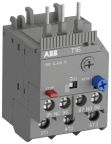
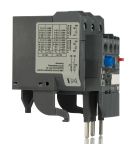
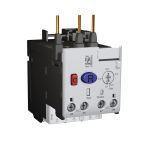
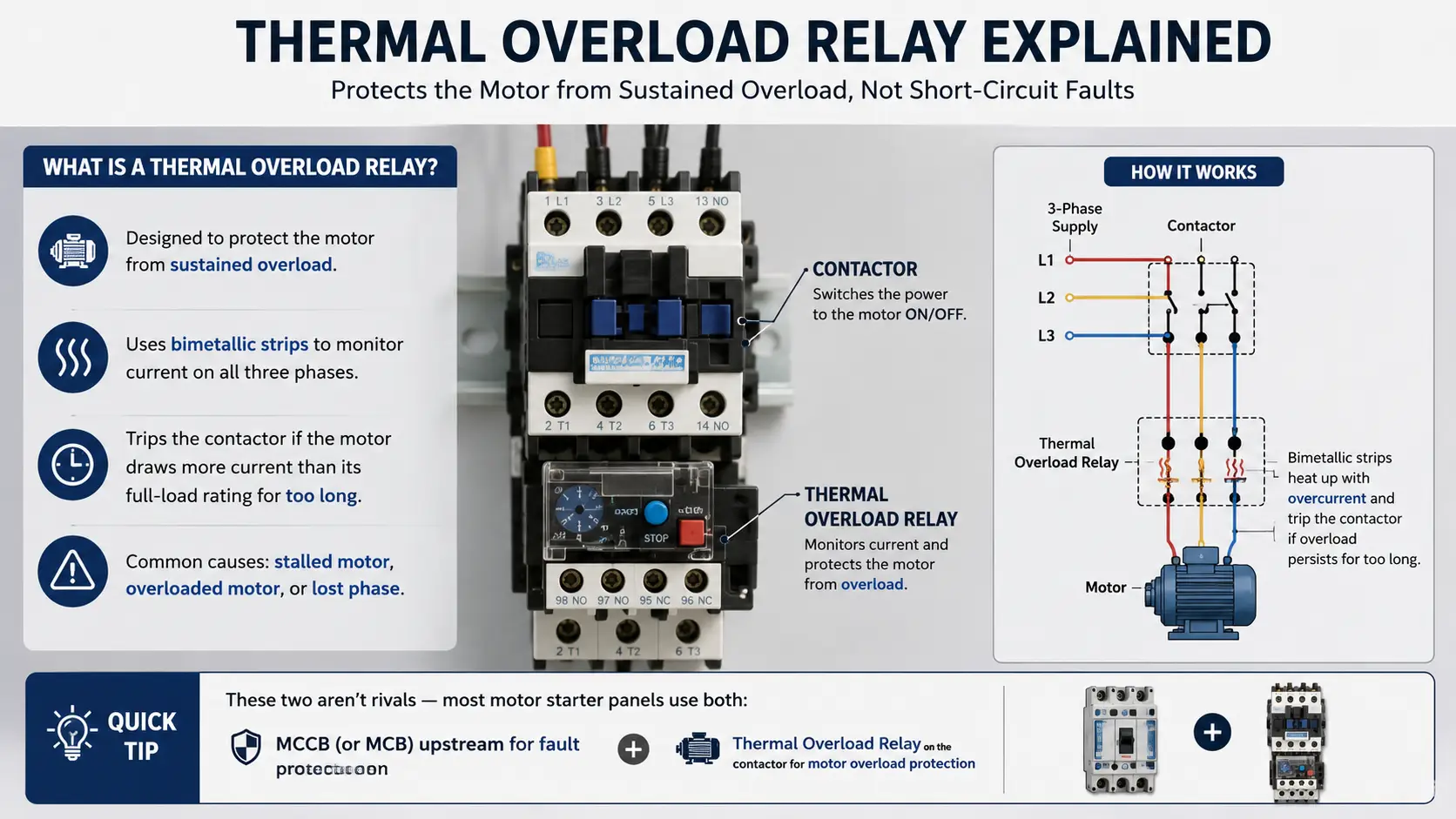
A thermal overload relay is a different kind of device entirely — it doesn't protect the cable or the circuit from a short-circuit fault, it protects the motor from sustained overload. Mounted directly onto a contactor, it monitors current on all three phases using bimetallic strips and trips the contactor if the motor draws more current than its full-load rating for too long — the classic cause being a stalled or overloaded motor, or a lost phase.
Quick Tip
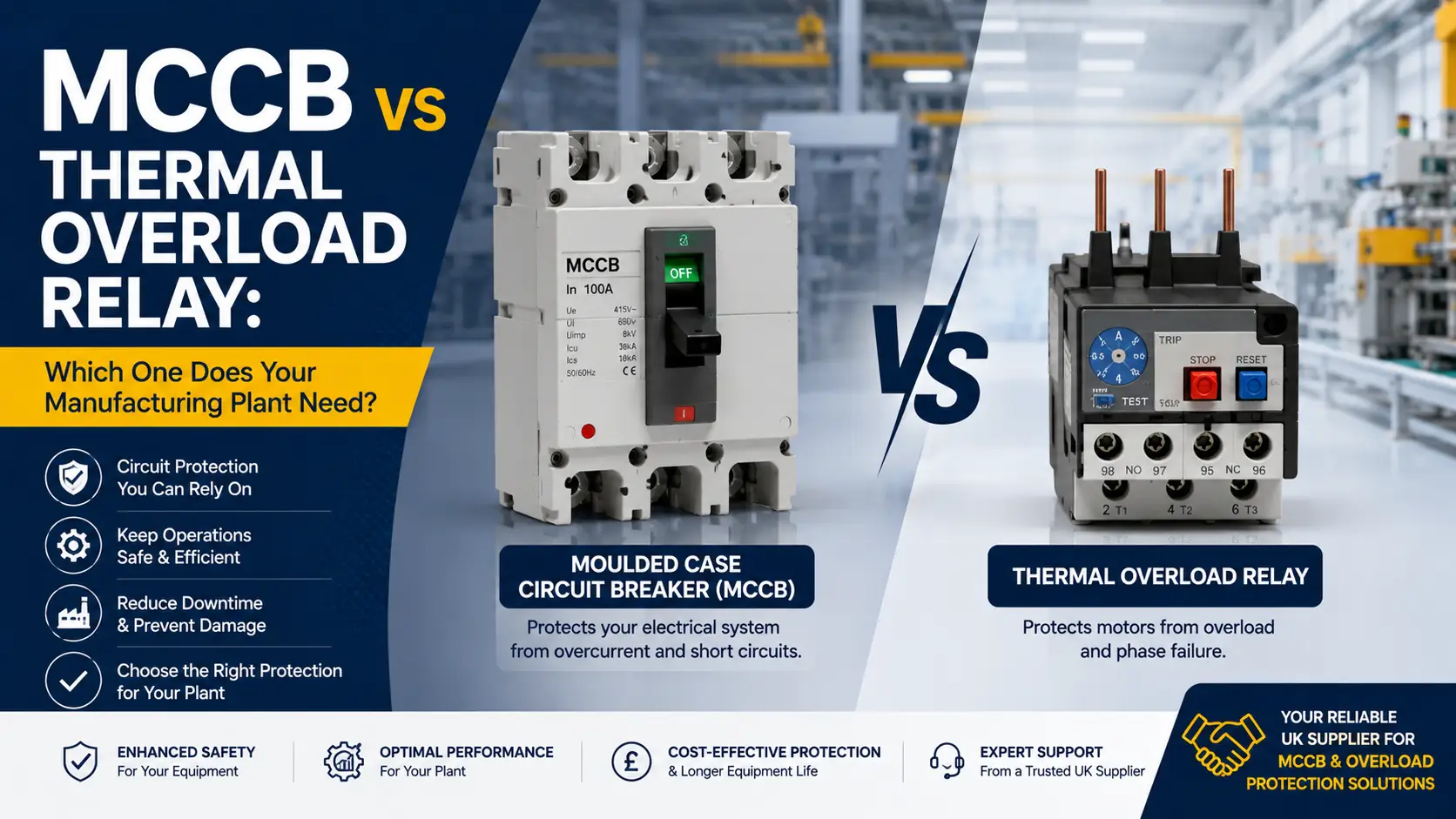
These two aren't rivals — most motor starter panels use both: an MCCB (or MCB) upstream for fault protection, and a thermal overload relay on the contactor for motor overload protection.
Head-to-Head Comparison
Factor | MCCB | Thermal Overload Relay |
|---|---|---|
Protects against | Short-circuit & general overload on the circuit | Sustained motor overload & phase loss |
Typical current range | 63A to several thousand amps | Sized to motor FLC, typically under 100A |
Mounting | Standalone, DIN rail or panel-mounted | Direct-mounted onto a contactor |
Trip settings | Fixed or adjustable depending on frame | Adjustable dial matched to motor FLC |
Typical location | Distribution board, MCC incomer | Motor starter, direct-on-line or star-delta panel |
Which Should You Choose for Your Manufacturing Plant?
If you're protecting a distribution board, sub-main or an incomer feeding multiple circuits, you need an MCCB. If you're protecting an individual motor from overload or single-phasing on a starter panel, you need a thermal overload relay sized to that motor's full-load current. Most motor circuits on a manufacturing line will actually use both, in series — the MCCB (or MCB) handling fault protection upstream, and the overload relay handling motor protection at the contactor.
Most Common Mistake
Assuming the MCCB upstream will protect the motor from overload. It won't — an MCCB is sized for the whole circuit, not the individual motor's full-load current, so a stalled motor can overheat and fail long before the MCCB ever trips.
Selection Checklist
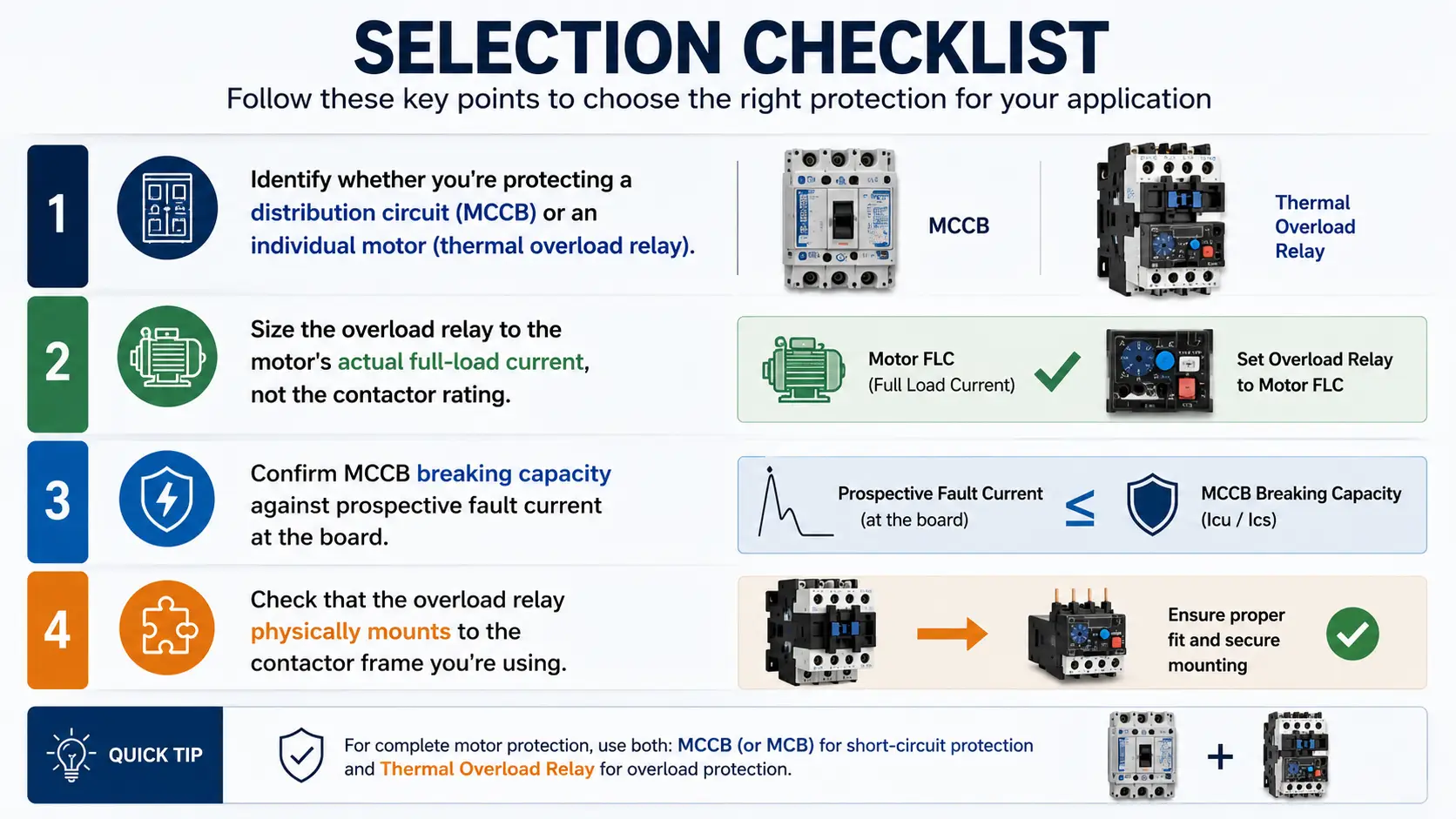
Identify whether you're protecting a distribution circuit (MCCB) or an individual motor (thermal overload relay).
Size the overload relay to the motor's actual full-load current, not the contactor rating.
Confirm MCCB breaking capacity against prospective fault current at the board.
Check that the overload relay physically mounts to the contactor frame you're using.
Brands We Supply
Both product lines are genuinely on the shelf across two manufacturers, which is useful when one part is on back-order:
Brand | What We Stock | Brand Page |
|---|---|---|
ABB | Full SACE Tmax MCCB range plus T16/TF42 thermal overload relays | |
Allen Bradley | E100 and Bulletin series thermal overload relays for contactor mounting |
Related Categories
Category | What's Inside | Category Page |
|---|---|---|
Molded Case Circuit Breakers | 249 MCCBs from 63A upward | |
Thermal Overload Relays | 118 relays across ABB and Allen Bradley | |
Contactors | 626 contactors to mount the overload relay onto | |
Motor Protection Circuit Breakers | Combined breaker + overload protection in one device | |
Miniature Circuit Breakers | Lower-current alternative for smaller circuits |
These pair naturally with our MCB Buying Guide for smaller circuits, and with our Electrical Enclosures Guide for housing the finished panel.
Frequently Asked Questions
Can a thermal overload relay replace an MCCB?
No. They protect against different faults — an MCCB clears short-circuit and general overload on the whole circuit, while a thermal overload relay only protects the individual motor from sustained overload.
Do I need both on a motor starter panel?
In most cases, yes — the MCCB or MCB handles fault protection upstream, and the thermal overload relay handles motor-specific overload protection at the contactor.
How do I size a thermal overload relay?
Set it to the motor's actual full-load current (FLC) from the motor nameplate, not the contactor's maximum rating.
Can ZF Corporation source obsolete MCCBs or overload relays?
Yes — we regularly cross-reference discontinued ABB and Allen Bradley part numbers to current equivalents for panel repairs.
What is the typical lead time in the UK?
Common frame sizes and relay ratings are typically available from stock; less common ratings may carry a short lead time — contact us with the exact specification for a quote.
Conclusion
An MCCB and a thermal overload relay aren't competing products — they're complementary, and most manufacturing plant motor circuits need both: the MCCB (or MCB) for circuit-level fault protection, and the thermal overload relay for motor-specific overload protection at the contactor. Get the sizing right on both and you cover the full protection chain.
Need help specifying either device for your panel?
Talk to Our Expert Team
DISCLAIMER: Z&F Corporation is not affiliated with, authorized by, endorsed by, or acting as an official representative of any manufacturer, brand, or trademark owner referenced on this website. All product names, trademarks, brand names, logos, and manufacturer references are the property of their respective owners and are used solely for identification, reference, and compatibility purposes.