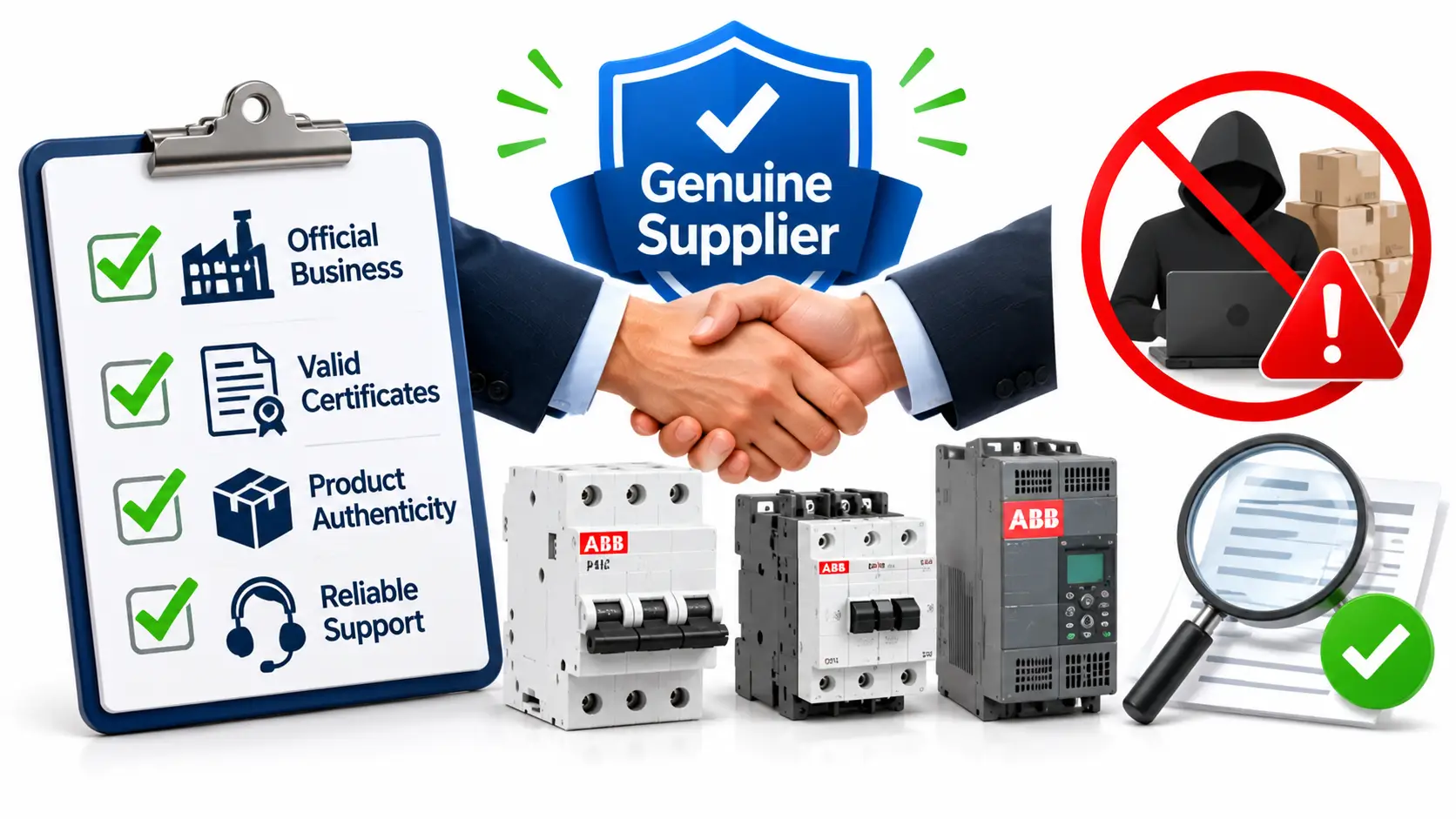
How to Verify a Genuine Industrial Supplier: Complete Guide
The choice of an industrial supplier is a financial and safety choice. If supplier is fake or unverified, they can collect up-front payment from you and then deliver fake part replacements or ship the wrong grade and it's not until several months later that you find out the equipment failed when the wrong part was installed or that the replacement wasn't of the correct grade. It gives you a repeatable due diligence process, including the documents to request, how to verify documents at the source, and when to use an independent inspection, of any industrial supplier.
Need verified sourcing with documents listed upfront? Request a Quote and our team will review your requirements.
1. Why Supplier Verification Matters in Industrial Procurement
Failure of industrial components occurs after they are in service, not at the time of sale. According to the OECD and EUIPO, in 2019, approximately 2.5 per cent of world trade is estimated to be compromised by counterfeit and pirated goods, about USD 464 billion, including electrical and mechanical products.
Don't assume you are suspicious of which supplier is genuine, ask.See our MRO basics for a good start on spares planning.
2. Manufacturer, Trader, or Authorized Distributor? Know Who You Are Buying From
The first of the real industrial supplier requirements is identity, as the risks of the manufacturers, traders and distributors vary.
|
Type |
What to Verify |
Main Risk |
|---|---|---|
|
Manufacturer |
Factory licence, production proof |
Long lead times, high MOQ |
|
Trader |
Legal entity, named factories |
Hidden intermediaries, substitution |
|
Authorized distributor |
Confirmation from brand owner |
Fake authorization |
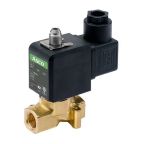
If traders are transparent, they can be considered legitimate. A status and territory verification by the authorised distributor means to verify status and territory with the brand, and not with the certificate issued by the seller. Valves and actuators are commonly shipped via distributors, check out our valves and controls.
3. Essential Documents Every Genuine Supplier Must Provide
-
Registration to businesses and tax identification.
-
Export licence (as required).
-
ISO 9001 certificate.
-
Product test reports are also called Material Test Certificates (MTCs).
-
Certificate of conformity (CoC).
-
Bank information by registered company name.
-
Proforma invoice stating MOQ and Incoterms.
Apply this as your checklist for suppliers in the industrial procurement process. Type test reports for the technical items such as switchgear should also be included.
4. How to Authenticate Supplier Certificates and Licenses
|
Document |
Issuer |
Where to Verify |
|---|---|---|
|
Business registration |
Company registry |
Official registry search |
|
ISO 9001 certificate |
Certification body |
Body's registry or IAF CertSearch |
|
CoC |
Supplier or laboratory |
Issuer, plus the cited test report |
|
MTC |
Manufacturer or mill |
Heat or batch number on the product |
To verify that it is ISO 9001 certified, compare the certificate number, scope and expiry date and check that the certification body is accredited. Certificates are not issued by ISO.
Real certificates of conformity will include references to the actual laboratory reports and reports will show the laboratory accreditation. Breakers are a common counterfeit target, so compare any offered molded case circuit breakers against their documents.
5. Factory Audits: On-Site and Remote Verification Methods
When a factory audit process is reached, it ensures that a supplier is or controls the goods supplied. If you need an online factory audit for industrial suppliers ask to do a video walk from the factory gate to the loading dock, then you will be shown:
-
Storage and production lines of raw materials.
-
Inspection equipment and records of the inspection equipment's calibration.
-
Batch Records of the product ordered.
-
Packing and labelling space.
Calibration records are very important and Beamex calibration systems are employed for that purpose.
6. Trade References, Export History, and Business Credit Checks
Request two or three reference clients that are available and a few recent export invoices. A true industrial supplier will be able to describe previous orders, such as contactors, in detail, such as part number, delivery dates, etc. Obtain business credit reports to verify business history, and verify that phone codes are consistent, as well as address and shipping port.
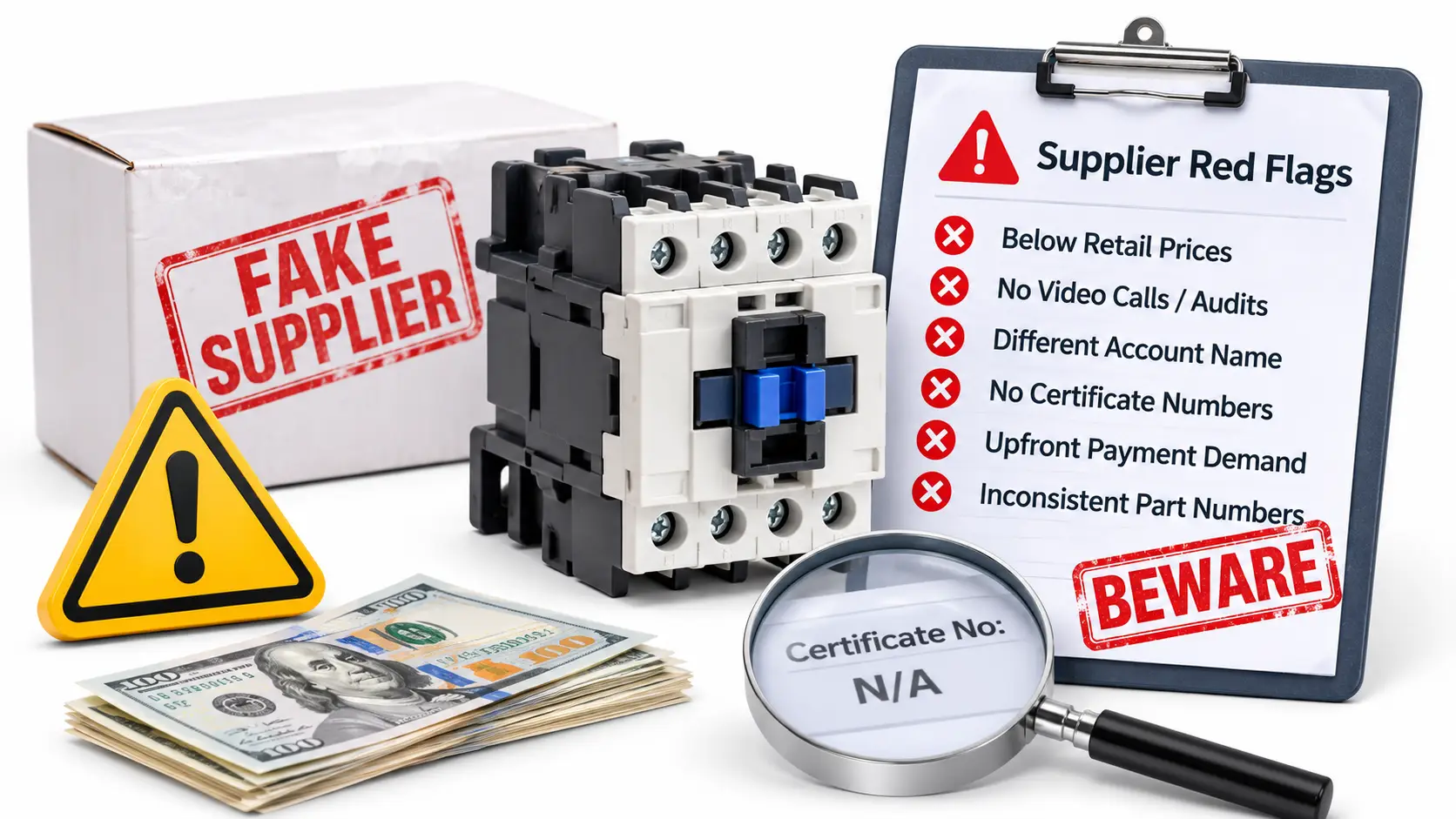
7. Red Flags That Expose Fake Industrial Suppliers
The following are the critical indicators of trouble to look out for when purchasing industrial components from new suppliers:
-
Below retail prices.
-
Denial of video calls or audits.
-
An account name other than the company name.
-
No numbers to go with certificates.
-
Demand for up-front payment.
-
Inconsistencies in part numbers, even for minor accessories.
A consistent product data is a good sign – auxiliary contact block FAQs illustrate good product specification data.
8. Secure Payment Terms for First-Time Transactions
|
Terms |
Buyer Risk |
Notes |
|---|---|---|
|
100% advance |
Very high |
Avoid with unknown suppliers |
|
Staged payments |
Moderate |
Deposit, balance after inspection |
|
Letter of credit |
Low |
Bank-backed, document-driven |
|
Escrow |
Low to moderate |
Release on agreed conditions |
Safe payment terms are associated to first time industrial purchases results of inspections. Actuators worth a lot, like those from companies like Rotork, bring up the stakes, making the protection of advance payments more significant. In writing agree to terms EXW, FOB or CIF.
9. Third-Party Inspections and Pre-Shipment Verification
Third party Inspection Services inspects before payment of Goods is made to Suppliers' Premises as per agreed specification. Determine Scope – quantity, labelling, dimensions, material and sampling level (AQL).
The calibration certificate is also available as part of the instruments supplied by the instrument manufacturers like WIKA and inspectors can verify the calibration. The written pre-shipment inspection report, along with a PASS or FAIL judgement, is the final result of the pre-shipment inspection procedure.
10. Frequently Asked Questions
How do I verify an industrial supplier is genuine?
Check the official company registry, authenticate certificates with issuing bodies, request trade references and verify export history through documents or audits.
What documents should a legitimate supplier provide?
Registration of the business, export licence, certificate of ISO 9001, certificate of tests, certificate of merit and CoC. Products such as switchgear need type test reports too.
How can I check a supplier's ISO 9001 certificate?
Obtain the certificate number and issuing body then check in the body's registry or on IAF CertSearch. Verify the scope and expiry date.
What are the red flags of a fake supplier?
Prices far below market, refusal to video-call, mismatched bank names, unverifiable certificates and pressure for full advance payment.
Which payment terms are safest for new supplier transactions?
Staged payments contingent upon the inspection, letters of credit/escrow. Do not pay up-front to people you don't know.
11. Conclusion
It is essential that a supplier be confirmed, documents be authenticated, that audit evidence be shown and that safe conditions for payment and independent inspection are provided. Document the steps in order to increase speed of subsequent orders. Take a look at our valves and controls product groups.
Z&F Corporation is an independent sourcing service. Brand and agency names are used for identification only and imply no partnership or endorsement. This guide is general information, not legal or financial advice.
Want help screening a supplier or quote? Talk to Our Specialist and we will walk you through the checks.