MRO Inventory Management: Strategies, Best Practices and Spare Parts Control
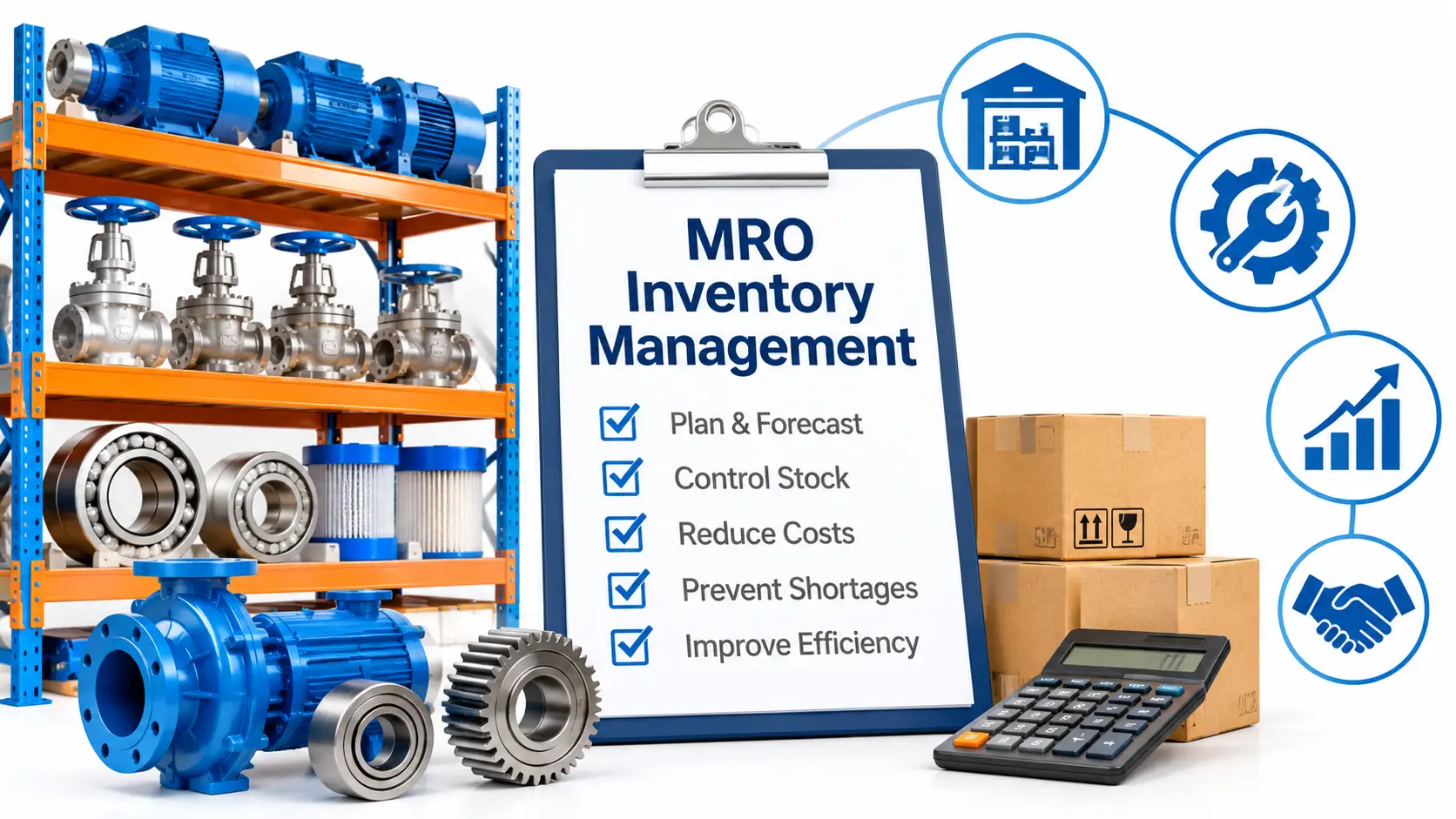
MRO inventory management keeps maintenance, repair and operations supplies available without tying up cash in idle stock. When a critical seal or bearing is missing, a repair that should take hours can stall a plant for days. This guide explains how to classify spare parts, set reorder points, manage critical items, choose software and measure results, so maintenance and purchasing teams work from one plan.
Need help sourcing industrial MRO products and spare parts? Request a Quote and our team will review your requirements.
What Is MRO Inventory Management?
MRO inventory management is the planning and purchasing of the spare parts, tools and consumables that are required to maintain the equipment. Production inventory turns to product inventory, and MRO inventory works to support the equipment that makes product inventory. With its emphasis on asset management, ISO 55000:2024 supports good MRO inventory management that is a balance of availability and carrying cost. New to the term? Read our MRO basics.
It's important because it means there will be maintenance delays if there are missing parts; on the other hand, overstocking will lead to a reduction in working capital and in the amount of space used in warehouses. However, predictive maintenance can provide insights into spare parts planning requirements, yet, it requires data quality and integration with inventory data.
What Items Are Included in MRO Inventory?
-
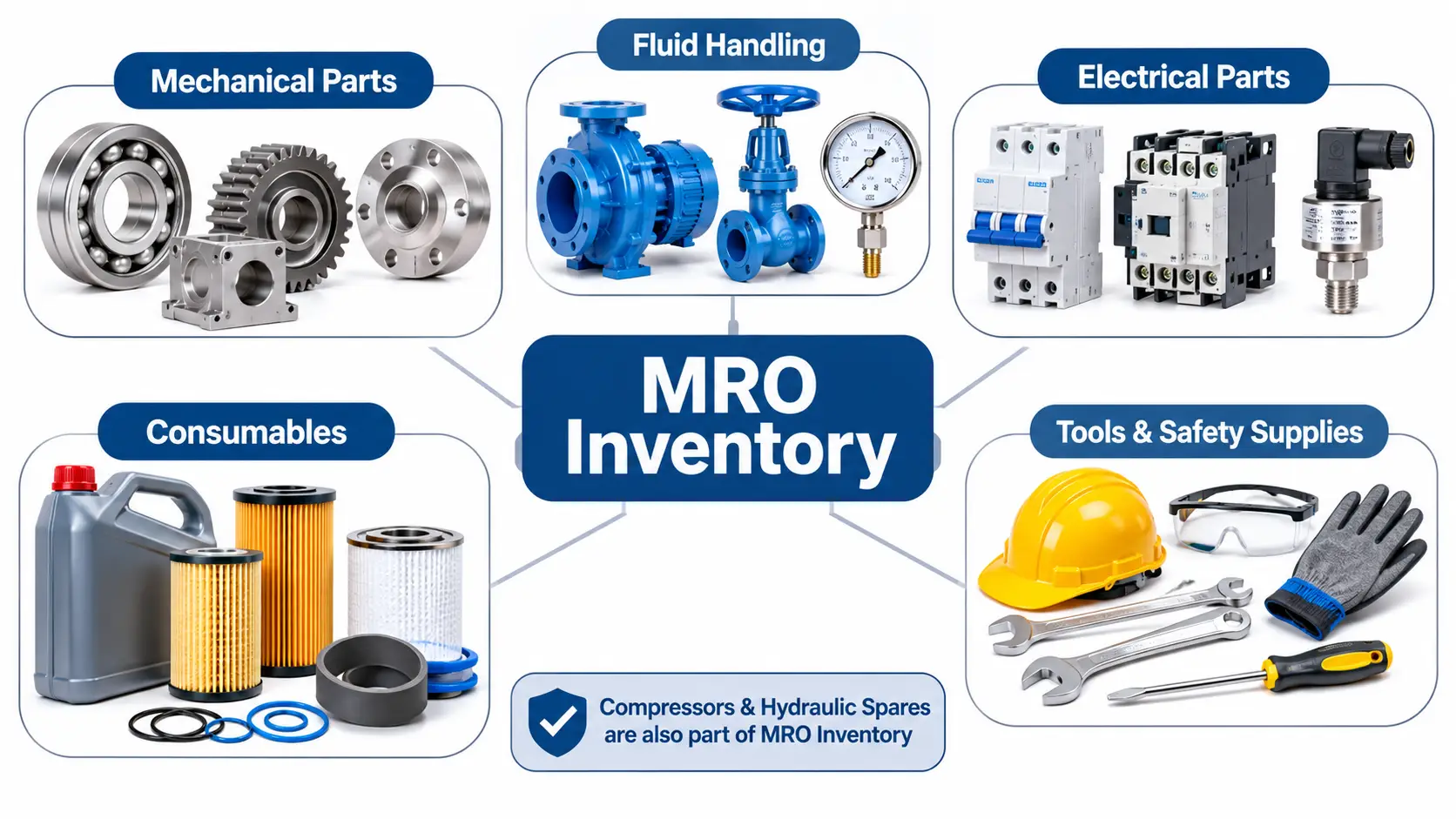
Mechanical parts: structural parts, electrical and electronic components, parts for packaging and decorating, etc.
-
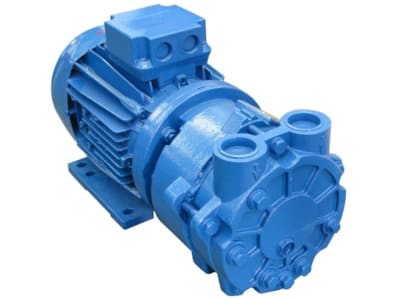
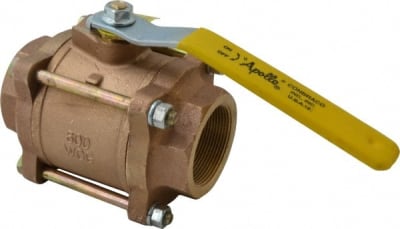
Fluid handling: pumps, valves, instrumentation.
-
Electrical parts: breakers, contactors, sensors.
-
Consumables: lubricants, filters, O-rings.
-
Tools and safety supplies.
Compressor and hydraulic spares are part and parcel of Industrial Spare Parts. Different manufacturers like Atlas Copco have different parts that require their own verified part list. One of the MRO types is spares, and the other two types are consumables and tools, which are also part of sound MRO spare parts management.
Common Challenges with Industrial Spare Parts
The first step to solving the problem of MRO spare parts stockout is to identify the issue. Typical challenges include:
-
Excess stock and high carrying costs.
-
Stockouts of critical spare parts.
-
Long supplier lead times, especially in corrosive process plants such as fertilizer plant MRO.
-
Duplicate and inaccurate item records.
-
Obsolete and discontinued components.
Key Strategies for Classifying MRO Inventory
Apply ABC analysis concept to MRO inventory management, and create annual consumption value rank of items, then add demand and risk views next.
|
Method |
Based On |
Best Use |
|---|---|---|
|
ABC |
Annual consumption value |
Financial control |
|
XYZ |
Demand variability |
Forecast difficulty |
|
Criticality |
Failure impact, lead time |
Operational risk |
Large bearings or other high-value items may be in Class A, but having a high value does not make a part critical. Add minimum and maximum levels and regular cycle counts to complete your MRO stock management routine. This multi-layered strategy optimizes industrial inventory without increasing risk, while communication with buyers maintains a strong connection with business requirements for MRO procurement.
How to Calculate Reorder Points and Safety Stock
The lead time for the process is the time required for materials to reach the plant following the order. The basic reorder point is equal to the average demand over the lead time plus safety stock. Calculate MRO Safety Stocks considering the criticality of the items and supplier reliability and demand variability.
With the following assumptions: a mud pump spares part, used 4 times per month, has a lead time of 3 weeks, or 0.75 month. Lead-time demand is 4 × 0.75 = 3 units. The reorder point is 5 + 2 units of safety stock. This formula assumes steady demand, which is not applicable for irregular items and require individual forecasting and demand planning for these items for MRO inventory.
Other factors include order cost and storage cost, which are also relevant to replenishment. When the quantities of spares are irregular and the order size is needed, the economic order quantity concept can be used to determine the order size for steady consumables, but rarely applies to irregular spares.
How to Manage Critical Spare Parts
The first step in critical spare parts inventory management strategies is a criticality assessment. Score each component on the basis of safety consequence, production loss, replacement lead time, available alternatives and failure likelihood.
Hold insurance spares for high-impact, long-lead items even if they rarely move. Pump seals from manufacturers such as Flowserve often fall into this group. Create a maintenance spare parts plan from equipment bills of material (BOM) and ensure that a complete parts list is verified for each piece of equipment. Make sure parts are interchangeable before replacing.
MRO Software: CMMS, ERP and EAM
These systems are not interchangeable but overlap.
|
System |
Main Role |
Inventory Strength |
|---|---|---|
|
CMMS |
Maintenance work orders |
Links spares to equipment |
|
ERP |
Purchasing, finance, warehouse |
Stock valuation and ordering |
|
EAM |
Asset lifecycle |
Spares tied to asset history |
A robust MRO inventory management system integrates work orders with purchasing, including electrical controls spares from our electrical controls range. When the data is accurate, barcodes or RFID can enhance inventory accuracy and predictive maintenance alerts can trigger maintenance spare parts planning.
How to Reduce Excess and Obsolete MRO Inventory
To reduce MRO inventory costs, find the causes first: duplicate part numbers, bulk buying, specification changes and untraceable parts. Review slow-moving items quarterly and standardise consumables e.g. Donaldson filter elements to reduce variants.
Avoid slow-moving MRO inventory by returning, repairing/reusing as much as possible. A case study published in TQM Journal in 2024 showed a 15% reduction in inventory value. Use it as an example and not as a benchmark.
List and then repair, return, sell/scratch obsolete stock that doesn't move, and superseded equipment.
Best Practices for Different Industries
-
Oil and gas: Emergency Shutdown Valve Parts, Pump Seals & Instrumentation Spares.
-
Cement: bearings, lubricants and kiln parts; see cement plant MRO.
-
Power generation: filters, electrical components and rotating equipment spares.
-
Manufacturing: ABC analysis to reduce unnecessary purchases.
How to Measure MRO Inventory Performance
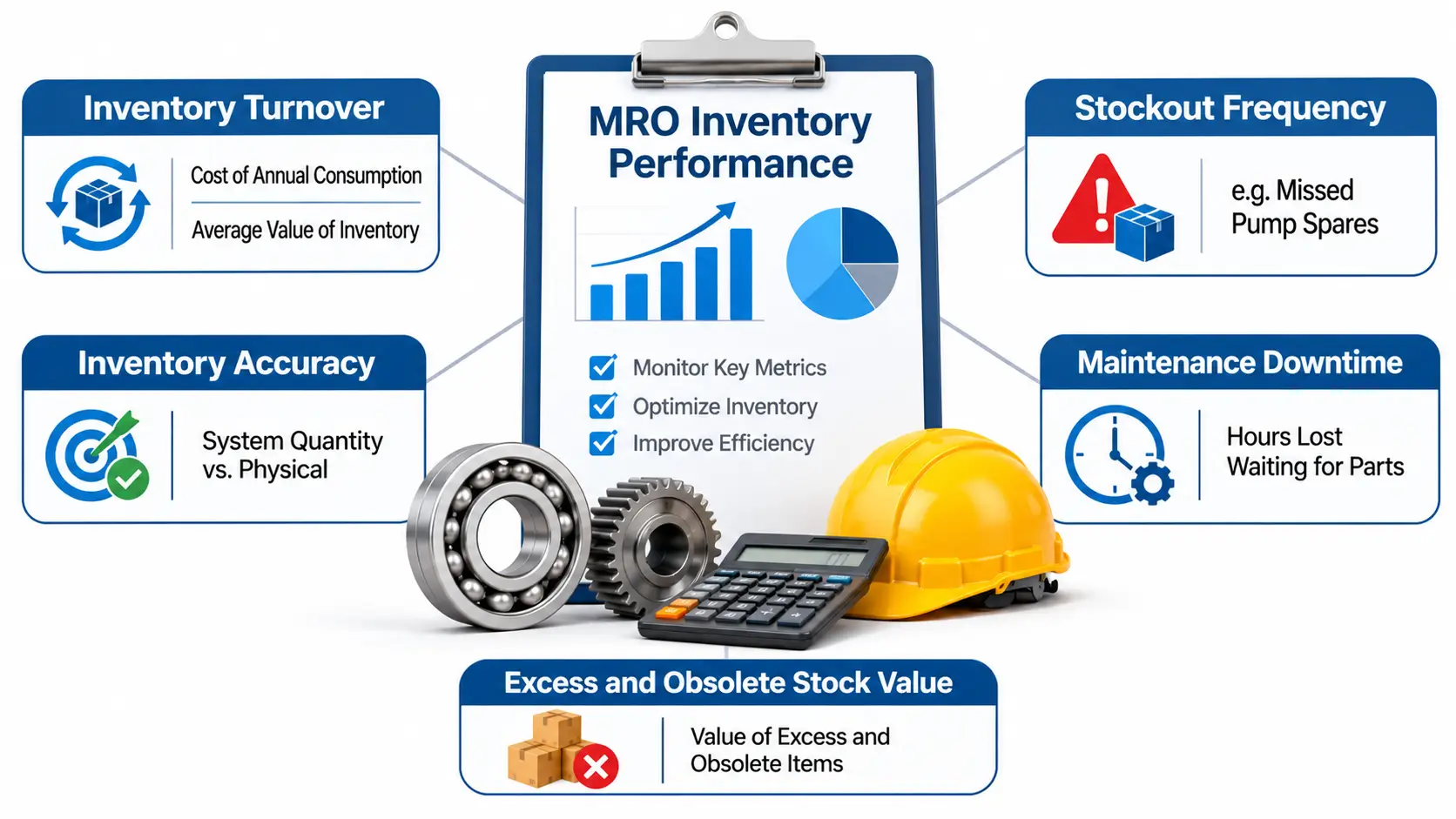
These calculations are useful to monitor simultaneously to enhance the inventory turnover in the MRO department. They're better served when they're on one dashboard, which leads to better maintenance inventory management.
-
Inventory turnover: Cost of the annual consumption / Average value of inventory.
-
Stockout frequency: for example, missed pump spares.
-
Inventory accuracy: system quantity vs. physical.
-
Maintenance downtime: hours lost waiting for parts.
-
Excess and obsolete stock value.
MRO Inventory Checklist
-
One item number per part, with the manufacturer part number, including hydraulic and pneumatic parts from makers like Parker Hannifin.
-
Criticality rating for every item.
-
Minimum, maximum and reorder levels.
-
The last purchase date and supplier lead time.
-
The location and the obsolescence of stocks.
-
If necessary, use consistent descriptions for items, to avoid duplicate records.
-
Physically compared cycle counts with system records.
Frequently Asked Questions
What is MRO inventory management?
It is a process of tracking, storing, buying and replenishing spare parts, tools and supplies to maintain the industrial equipment.
What are examples of MRO inventory?
Bearings, seals, valves, filters, lubricants, electrical components, fasteners and tools. Browse our product range.
How do you calculate MRO safety stock?
Calculate based on demand variability, supplier lead time, and item criticality, and add to lead-time demand to determine the reorder point.
What is a critical spare part?
A component failure that could result in a critical safety or production problem and would have a long lead time to replace the part.
How can MRO inventory costs be reduced?
Eliminate duplicate stock, weed out old items, verify the demand prior to purchase and compare the stock policies with criticality.
Conclusion
Balanced MRO inventory management requires more than just stocked shelves, it requires accurate records, risk-based inventory and reliable sourcing. Define parts by value and criticality, establish appropriate reorder points and perform regular audits. The right MRO inventory management solution transforms spares from problem to problem-free.
Brand names are used for identification only and imply no partnership or endorsement by Z&F Corporation.
Need to discuss your industrial MRO sourcing requirements? Talk to Our Specialist and we will help identify suitable products.