Oil & Gas Check Valves: UK Procurement & Technical Selection Guide
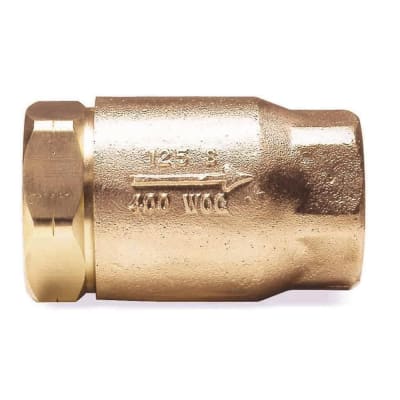
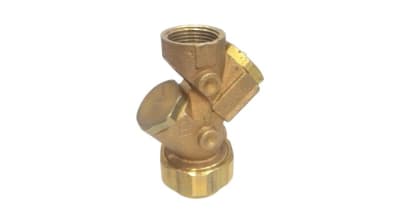
What is Check Valve in Oil and Gas? A check valve is a device which is installed to control flow in one direction and which automatically closes when the fluid tries to flow in the opposite direction. It can be used as protection against backpressure, water hammer and backflow events on both gas and liquid pipelines in hydrocarbon service to protect pumps, compressors and downstream equipment.
Provide our independent sourcing team with process medium, pressure, temperature and pipe size to be matched with a bespoke check valves oil gas UK specification.
Primary Functions: Preventing Reverse Flow and Water Hammer in Hydrocarbon Systems
A non return valve uk specification is a critical parts of a hydrocarbon system in oil and gas pipelines, owing to the high differential pressure in such systems. The fluid column may turn back in milliseconds when a pump stops, or a compressor trips. This cause a reverse flow that creates a pressure spike called water hammer that can cause pipe joints to leak, cause gasket failure and destroy valve seats.
A correctly installed check valve that is to be installed on hydrocarbons lines shuts off almost instantly when the flow direction changes, preventing the possible pressure build up from reaching the upstream side of the pipeline. With respect to the natural gas, crude oil or condensate transport of gas and liquid pipelines, the use of backflow prevention is not just a best practice, it is a required safety measure as per UK pressure systems legislation. For a broader view of flow control components, explore our industrial valves category covering check, gate, globe, and ball configurations.
Main Types of Check Valves for Oil & Gas Service
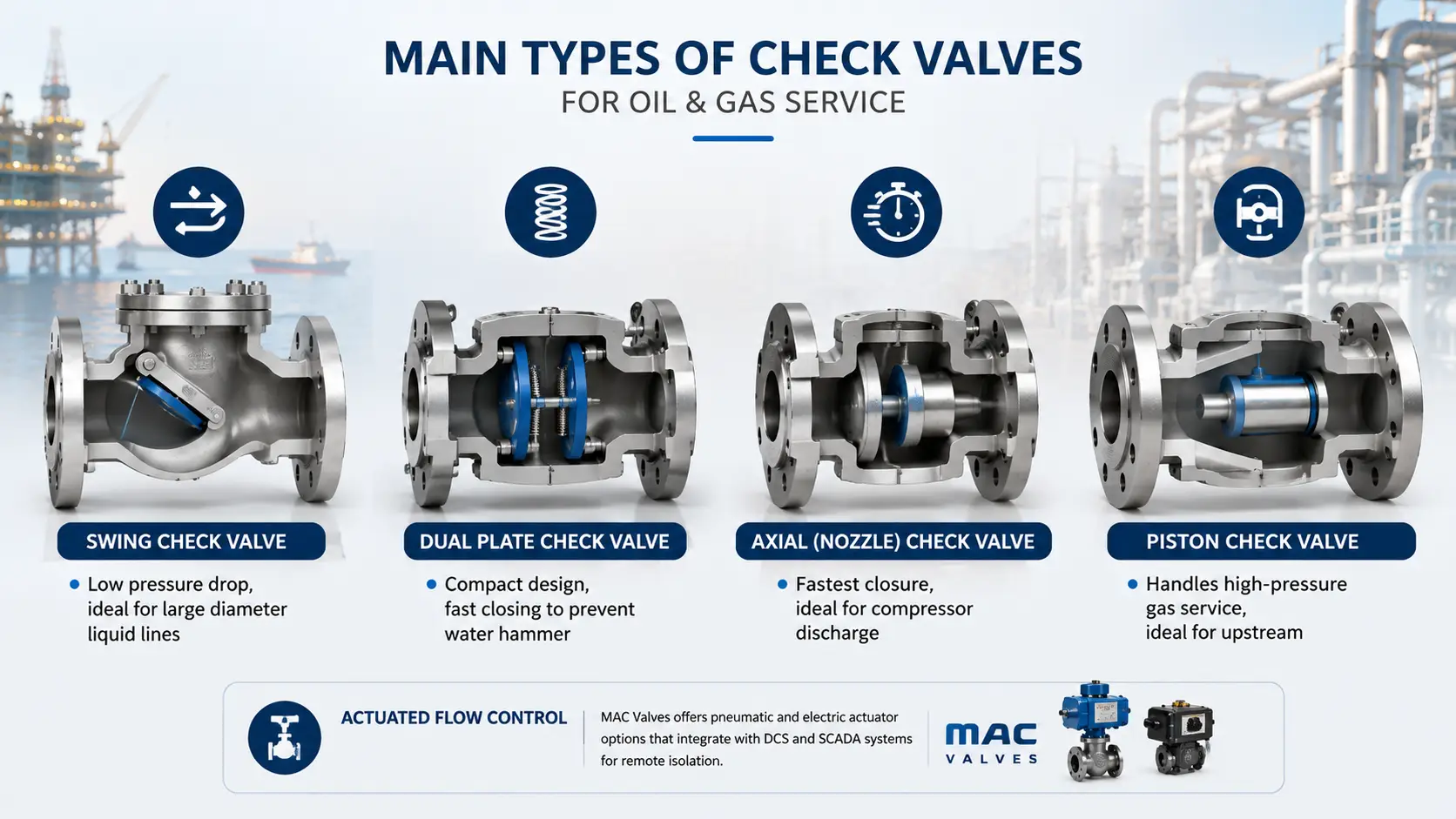
The question of which check valve for oil and gas is suitable depends on the pressure class, pipe size, flow speed and space requirements when the engineers ask about this. The four dominant check valve types oil gas applications rely on:
Swing Check Valve
A hinged disc opens when flow is through it and closes automatically due to gravity or back flow. It provides a complete flow path and low pressure drop and can be used in large diameter liquid lines in refineries.
Dual Plate Check Valve
The discs are self-closing and spring loaded. The comparison of the dual plate valve with the swing plate valve is not so straightforward and paves the way for dual plate to be the better option in compact offshore skid packages where rapid closure prevents water hammer.
Axial (Nozzle) Check Valve
A single disc slides axially on a seat nozzle. It provides the fastest closure time, making it the preferred choice for a check valve for compressor discharge where even a 50-millisecond delay causes severe hammer.
Piston Check Valve
A piston is guided in a linear motion in the body. It handles high-pressure gas service well and is common in upstream production separators.
For actuated flow control, MAC Valves offers pneumatic and electric actuator options that integrate with DCS and SCADA systems for remote isolation.
Specification Checklist
|
Parameter |
Specification Options |
Why It Matters |
|---|---|---|
|
Pressure Rating |
Class 150 to Class 2500 (ASME B16.34) |
Confirm against system design pressure including transients and water hammer surges |
|
Size Range |
DN15 to DN600 (NPS ½" to 24") |
Match to line size and flow velocity; verify bore type (full or reduced) |
|
Materials |
A105, SS316, Duplex 2205, Super Duplex 2507, Inconel 625, Hastelloy C-276 |
Required for corrosive, chloride, sour (H₂S/CO₂) or high-temperature service |
|
Closure Speed |
50 ms to 500 ms depending on valve type |
Must prevent water hammer at pump or compressor trip; axial and dual plate are fastest |
|
End Connections |
Flanged (BS 1868 / ASME B16.5), Butt-Weld, Threaded (NPT / BSP), Wafer |
Verify thread form and flange rating; NPT and BSP are not interchangeable |
|
Seat Material |
PTFE, RPTFE, Metal-to-Metal, RPTFE Overlay |
Match to process temperature and medium; PTFE max ~200 °C, metal seats for high-temp sour |
|
Certification |
API 594, API 6D, NACE MR0175, PE(S)R 2016, NORSOK M-630 |
Required for sour service, UK offshore compliance and high-integrity documentation packs |
Material Selection for Severe Environments
The selection of the materials of the check valve is the most crucial decision for sour gas and high temperature application. On North Sea platforms, and in onshore refineries, the process medium may contain H2S, CO2 and chlorides which can cause damage to normal carbon steel in only weeks.
The industry standard for a check valve material for H2S service is Super Duplex 2507 (UNS S32750) which has a minimum yield strength of 550MPa and excellent resistance to sulphide stress cracking. For more aggressive applications, Inconel 625 or Hastelloy C-276 trims are recommended for the disc, seat and stem. A super duplex check valve oil gas specification is now standard for most North Sea topside installations.
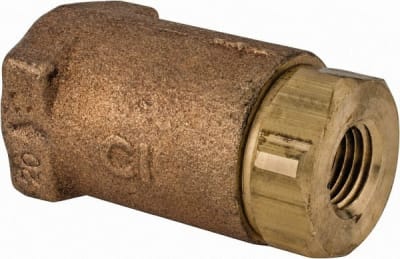
Seat materials also matter. For a non return valve for sour gas under elevated temperatures, metal-to-metal seats with RPTFE overlay are safer than PTFE and RPTFE seats for clean hydrocarbons up to 200°C. . For lighter-duty utility lines, a PTFE check valve rated at 1 MPa provides reliable backflow protection in compressed air and water systems.
UK Offshore & Onshore Regulatory Compliance
Procuring check valves oil gas UK installations must comply with regulations that differ from US or EU requirements:
-
PE(S)R 2016 — Enforced by OPSS in Great Britain, this mandates that pressure equipment above 0.5 bar carries a UKCA or CE mark and a Declaration of Conformity.
-
PSSR 2000 — Enforced by HSE, requiring documented risk assessments for pressure systems above 0.5 bar.
-
API 594 — The primary design and testing standard for wafer, wafer-lug, and double-flanged check valves. An API 594 check valve must pass shell, seat, and stem leakage tests.
-
API 6D — Covers pipeline and piping valves for natural gas and crude oil transmission. An API 6D check valve UK specification is common for North Sea subsea and topside installations.
-
NACE MR0175 / ISO 15156 — Mandatory for components exposed to sour gas. Materials must be listed in Annex A or B.
-
ASME B16.34 — The pressure-temperature rating, dimensions, and testing of steel valves are specified.
-
BS 1868 — This was the British Standard for flanged steel valves which remains in current UK onshore specifications.
-
NORSOK M-630 — The Norwegian offshore standard widely adopted for North Sea operations.
From Aberdeen’s offshore support base to Teesside’s refineries, Humber’s petrochemical complexes, and the Grangemouth and Immingham refineries, UK installations must carry valid conformity documentation. For offshore check valves UK supplier requirements, NORSOK M-630 and PE(S)R compliance are non-negotiable. A stainless steel ball check valve rated at 400 PSIG with a 100–350°F range is a common mid-pressure utility specification in UK processing facilities.
Procurement Checklist: 7 Technical Parameters Before Issuing an RFQ
How to select check valve for oil gas service comes down to seven parameters. Before issuing an RFQ, confirm each one:
-
Process Medium & Composition — Gas, liquid, or two-phase? H2S/CO2 partial pressure? Chloride concentration?
-
Pressure-Temperature Rating — Indicate the ASME B16.34 pressure class (Class 300, 600, 900) and maximum operating temperature. The check valve pressure rating oil gas service must exceed maximum working pressure with a safety margin.
-
Pipe Size & Connection — Nominal bore (DN/NPS), end connection type (flanged per BS 1868, butt-weld, threaded), and flange face rating.
-
Bore Type — Full bore for pigging and low ΔP, or reduced bore for cost-sensitive utility lines.
-
Body & Trim Materials — Carbon steel (A105/A216 WCB), duplex (2205), super duplex (2507), or exotic alloys (Inconel 625, Hastelloy C-276). Seat: PTFE, RPTFE or metal-to-metal.
-
Closure Characteristics — Closure time requirement (particularly compressor discharge), Fail-safe behaviour, Fire-safe requirement (API 607).
-
Standards & Documentation — API 594, API 6D, NACE MR0175, PE(S)R conformity, hydrotest certificate, material test certificates and NORSOK M-630 (applicable).
For smaller-bore instrument lines, an inline check valve in 1-inch stainless steel FNPT × FNPT is a practical solution for backflow protection in control valve manifolds. Browse our full industrial valves range for your next RFQ.
Frequently Asked Questions (FAQ) for Piping Engineers
What is a check valve in oil and gas?
A passive, one-way flow device, which will open with forward flow and will automatically close with flow reversal, protects pumps, compressors and downstream piping from water hammer and back flow.
What is the difference between a check valve and a non-return valve?
No functional difference. “Check valve” is the ASME/API term; “non-return valve” is the British Standard term. These both refer to the same unidirectional device.
What type of check valve is used in oil and gas?
Swing, Dual plate, Axial and Piston types. Single valves are used in the compressor's discharge, dual plate valves are used in compact offshore skids, and swing valves are used for liquid lines that are large diameter.
What is the difference between swing and dual plate check valves?
A swing valve uses a single hinged disc with a full flow path and low ΔP. A dual plate valve uses two spring-loaded discs, closes faster, and occupies less space—better for water hammer prevention.
What material is best for check valves in sour service?
Super Duplex 2507 per NACE MR0175. Inconel 625 or Hastelloy C-276 trims are used for more aggressive environments.
What is API 594 and does it apply to check valves?
Yes. API 594 establishes the design and test criteria for check valves with a wafer body, a wafer-lug body, and a double flanged check valve, including tests for leakages classes, shell pressure tests and stem sealing requirements.
What is NACE MR0175 and why is it important?
It identifies the materials requirements for equipment used in the production of oil and gas where H2S is present that will not result in sulphide stress cracking and hydrogen blistering in carbon and low alloy steel.
What is PE(S)R and does it cover check valves in the UK?
Yes. Check valves are subject to the Pressure Equipment (Safety) Regulations 2016, which applies to all pressure equipment larger than 0.5 bar. Must be UKCA/CE marked and have a Declaration of Conformity.
How do I prevent water hammer in an oil and gas pipeline?
Fit a fast closing check valve (axial or dual plate) near the pump/compressor discharge. Design for maximum velocity of flow, closure time less than 100ms and a short pipe downstream.
How do I select the right check valve for an oil and gas application?
Describe medium, pressure-temperature rating, pipe size, connections, bore type, body and trim material, seat material, closure speed, and applicable Standards. A 1-1/4 inch check valve in FNPT × FNPT stainless steel is a common specification for utility backflow protection in UK process plants.
Unsure which check valve construction, material, or standard suits your application? Our independent sourcing specialists can match your technical requirements with the right compliant product. For smaller instrument lines, a 1/4 pipe check valve in stainless steel is a reliable starting point. Submit your full specification for product-matching assistance.