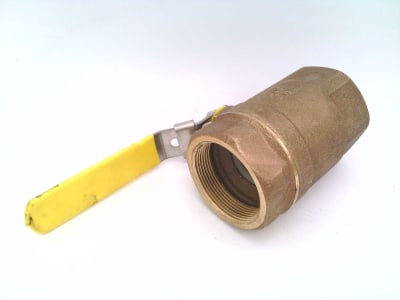
OEM vs Aftermarket Parts: Differences, Quality, Warranty, and Selection Guide
When a component fails, every maintenance team will have to decide on OEM vs aftermarket. The right selection can reduce costs and increase service life or shorten downtime without increasing risk, while the wrong choice can cause warranty cancellation, increase service life, and extend downtime. Get evidence and not just a habit – this guide provides you with insight into the quality, lead times and warranty, certification and costs of OEM vs aftermarket parts.
Need help verifying part equivalency or sourcing OEM components? Request a Quote and our team will review your requirements.
1. What Are OEM Parts?
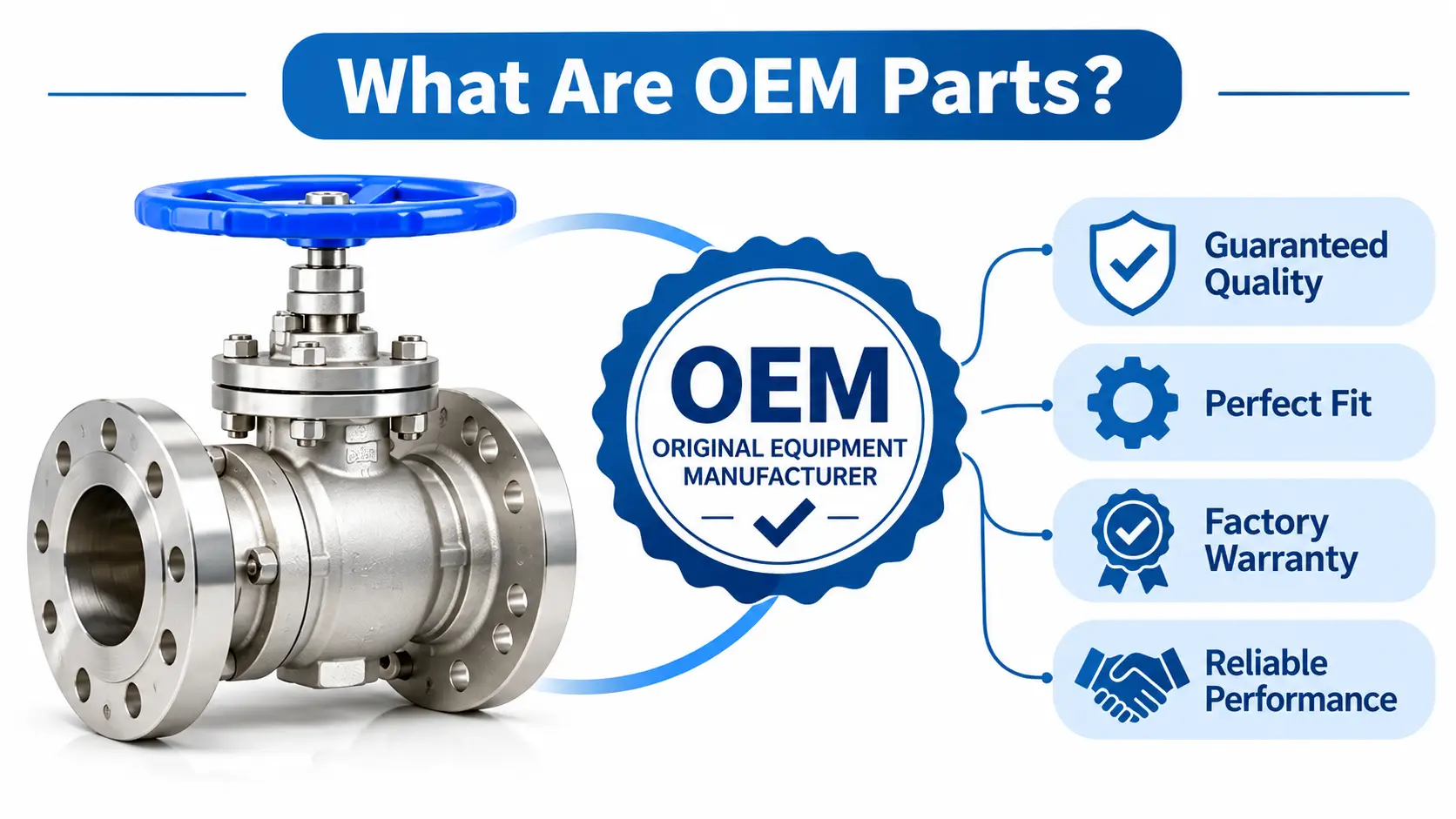
The word OEM is the acronym for original equipment manufacturer, and a definition of OEM parts is any part that is manufactured by the original equipment manufacturer, or a supplier authorized by the OEM to manufacture the part to the OEM's specification. Original equipment manufacturer (OEM) is referred to as OEM. Such parts ensure a good fit and factory warranties and are commonly covered by the factory warranty. They are essential for any spare parts stock; for context see our MRO basics
2. What Are Aftermarket Parts?
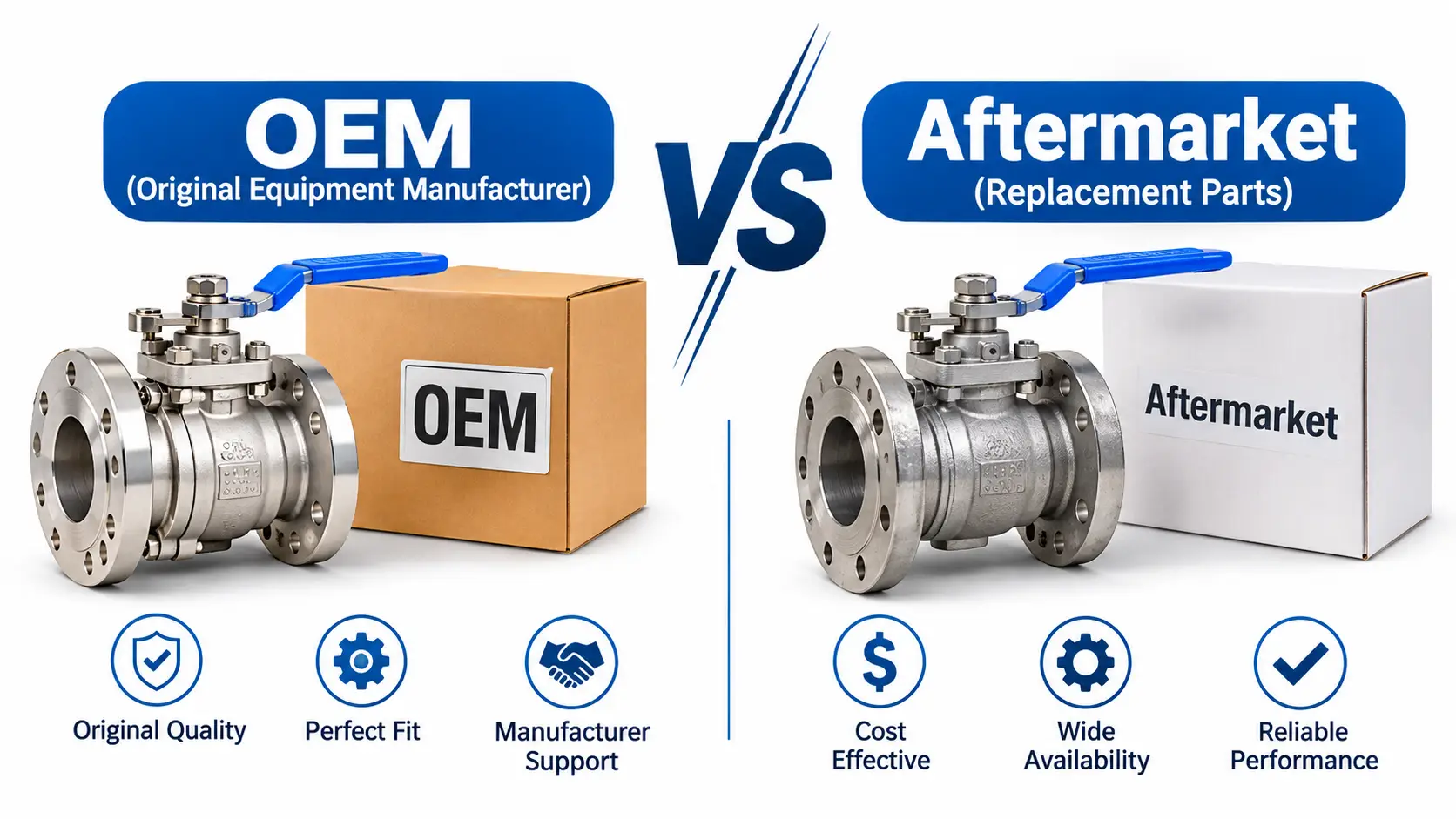
Aftermarket parts are produced by third party companies, not the equipment manufacturer. The Aftermarket vs Original Equipment Manufacturer argument is essentially one of specification control. Some aftermarket items are as good or better than the OEM, while others are just similar. An OEM equivalent part is a part that is designed to have the same dimensions, materials and performance as an OEM part. Find replacement parts in the mechanical category
3. Key Differences Between OEM and Aftermarket Parts
This table contrasts the key factors that are most important.
|
Factor |
OEM |
Aftermarket |
|---|---|---|
|
Fit |
Exact, documented |
Must be verified |
|
Quality |
Factory-controlled |
Varies by supplier |
|
Warranty |
Original maker |
Supplier, or none |
|
Price |
Higher |
Often lower |
|
Lead time |
Can be long |
Often shorter |
|
Legacy equipment |
May be discontinued |
May still be produced |
Equivalent is not the same as equal. As explained in our contactor vs relay article, a contactor can be similar, but carry different ratings than a relay. Do not compare OEM parts with generic parts, compare them to specification.
4. OEM vs Aftermarket: Quality and Reliability Comparison
Is aftermarket as good as OEM? Sometimes. The quality of aftermarket parts relies more on materials, tolerances, testing and process control, and the aftermarket part reliability is determined more by data than the brand. Make line-by-line comparisons of specifications. Check accuracy class and range for instruments, as specified by the instrument maker such as WIKA.
Request material test reports and certificate of conformity. Whether an OEM has ISO 9001 certification is important because it shows the quality system of a supplier is in place, while test evidence is important because it shows the individual parts are good quality.
5. Warranty Implications: OEM vs Aftermarket
There are different OEM vs aftermarket warranty terms depending on the contract and region. A maker may not disclaim a warranty just because a non-OEM part was installed, but may deny liability for damage caused by that part. In writing compare aftermarket parts warranty and OEM warranty, including the labor and downtime costs.
When replacing parts, check terms on any drives and protection devices first as they are often most sensitive. The typical items are displayed in our electrical category
6. Cost Analysis: OEM Parts vs Aftermarket Alternatives
Often times aftermarket parts can be lower in unit price, but unit price is not TCO. Add failure rate, installation labor, risk of downtime, replacement cycle etc. Whenever you compare OEM parts with aftermarket parts, you are certain to find that it is a lot more economical to spend more on a good part than the saving a cheap part will provide, and the initial cost of a good part is small compared to the cost of replacing it for the second time.
It is especially important when purchasing aftermarket seals and gaskets when compared to OEM. Our pump seal guide explains what factors to consider when choosing a pump seal. You can expect to save plenty – it depends on the components and the supplier – so shop around.
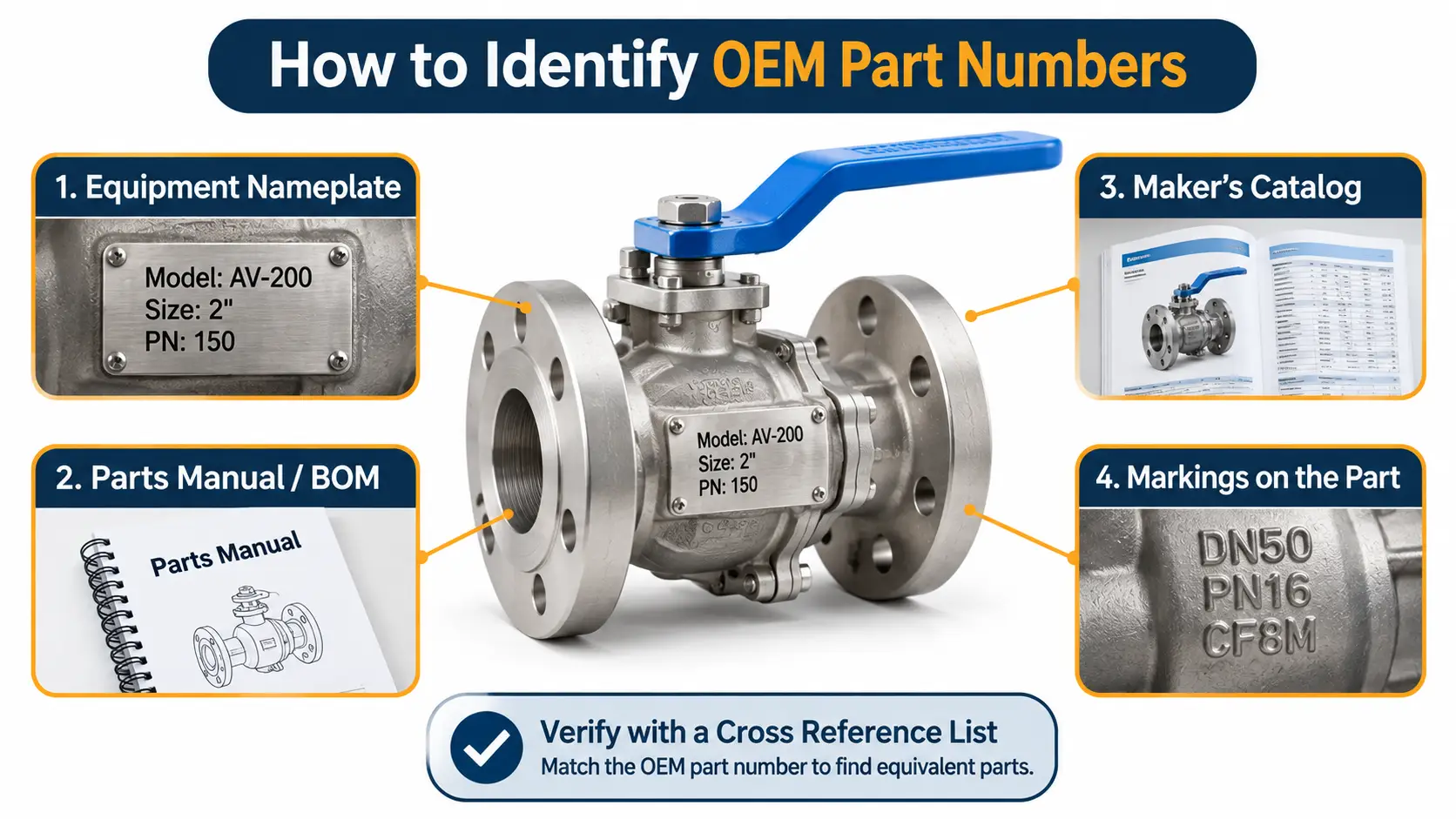
7. How to Identify OEM Part Numbers
If you don't know the OEM part number for an industrial part or piece, refer to these sources in the following order:
-
The equipment nameplate.
-
The original parts manual or bill of materials.
-
The maker's catalog, such as Apollo Valves for valve models.
-
Markings on the part itself.
Order a cross reference list of equivalent parts from the OEM part number to verify dimensions.
8. How to Evaluate Aftermarket Part Suppliers
Reputable aftermarket industrial parts suppliers welcome these checks. They also show how to verify aftermarket part quality before you commit:
-
A valid ISO 9001 certificate.
-
A certificate of conformity and material reports for each batch.
-
Sample parts for dimensional inspection.
-
Clear warranty and return policy.
-
Traceability and anti-counterfeit controls.
For valve-specific checks, see our ball valve buyer guide.
9. When to Choose OEM Parts
Use OEM when failure is a safety or compliance concern, or when downtime is a significant issue, or when the fit is critical. Approved spares for the drives and protection devices are defined by the manufacturers (makers).
|
Situation |
Typical Choice |
Reason |
|---|---|---|
|
Safety-critical |
OEM or certified equivalent |
Validated performance |
|
Active warranty |
OEM |
Protects coverage |
|
Standard consumables |
Aftermarket |
Lower cost |
|
Legacy machinery |
Mixed |
Availability |
Please refer to the manufacturers, authorized distributors or surplus suppliers for parts availability for discontinued equipment.
10. When to Choose Aftermarket Parts
Buy aftermarket for consumables, non-critical parts, out-of-warranty, and obsolete equipment and models. Ask for samples and check performance; for example, calibration tools from manufacturers like Beamex can aid in ensuring instrument accuracy. In most instances, the combination of OEM and aftermarket components in the same assembly is acceptable if there is no conflict between the components and one could assume a mixed approach.
11. Industry Applications: Valves, Bearings, Seals, and Actuators
-
Valves: Check pressure class and material on seats, seals and handles of valves.
-
Bearings: This isn't just an OEM vs aftermarket bearings price comparison, this is comparing load rating, precision class and type of seal.
-
Seals and gaskets: Check pressure, temperature and media.
-
Like Rotork valve actuators, aftermarket compatibility is determined by the actuator mounting, the torque and the signal.
12. Frequently Asked Questions
What is the difference between OEM and aftermarket parts?
OEM parts are manufactured by the original equipment manufacturer (OEM) or its designated supplier. Aftermarket parts are from third parties, other than the manufacturer.
Are aftermarket parts as reliable as OEM parts?
Some are equal to or better than the OEM, others are different. Reliability is based on manufacturer, materials and certifications.
Does using aftermarket parts void equipment warranty?
It can, if there are contracts and local rules, be a particular exception in the case of damage caused by the part. Examine the warranty prior to installation.
Can aftermarket parts be used in safety-critical applications?
Except when certified and validated for use in the specific application. Look at the valves and controls catalogues and read each of the data sheets.
Where can I buy OEM parts for discontinued machinery?
Please reach out to the manufacturer or authorized distributors. When purchasing OEM parts online, check the reputation of the seller and ask for documentation.
13. Conclusion
It's not labels that are the key factor in an OEM vs aftermarket parts decision, it is criticality, certification, warranty terms, and TCO. Ensure documentation and test sample matching and maintain a mixed stock inventory: OEM critical parts, verified aftermarket consumables.
Brand names are used for identification only and imply no partnership or endorsement by Z&F Corporation.
Need to verify a part or source certified alternatives? Talk to Our Specialist and our procurement team will help.