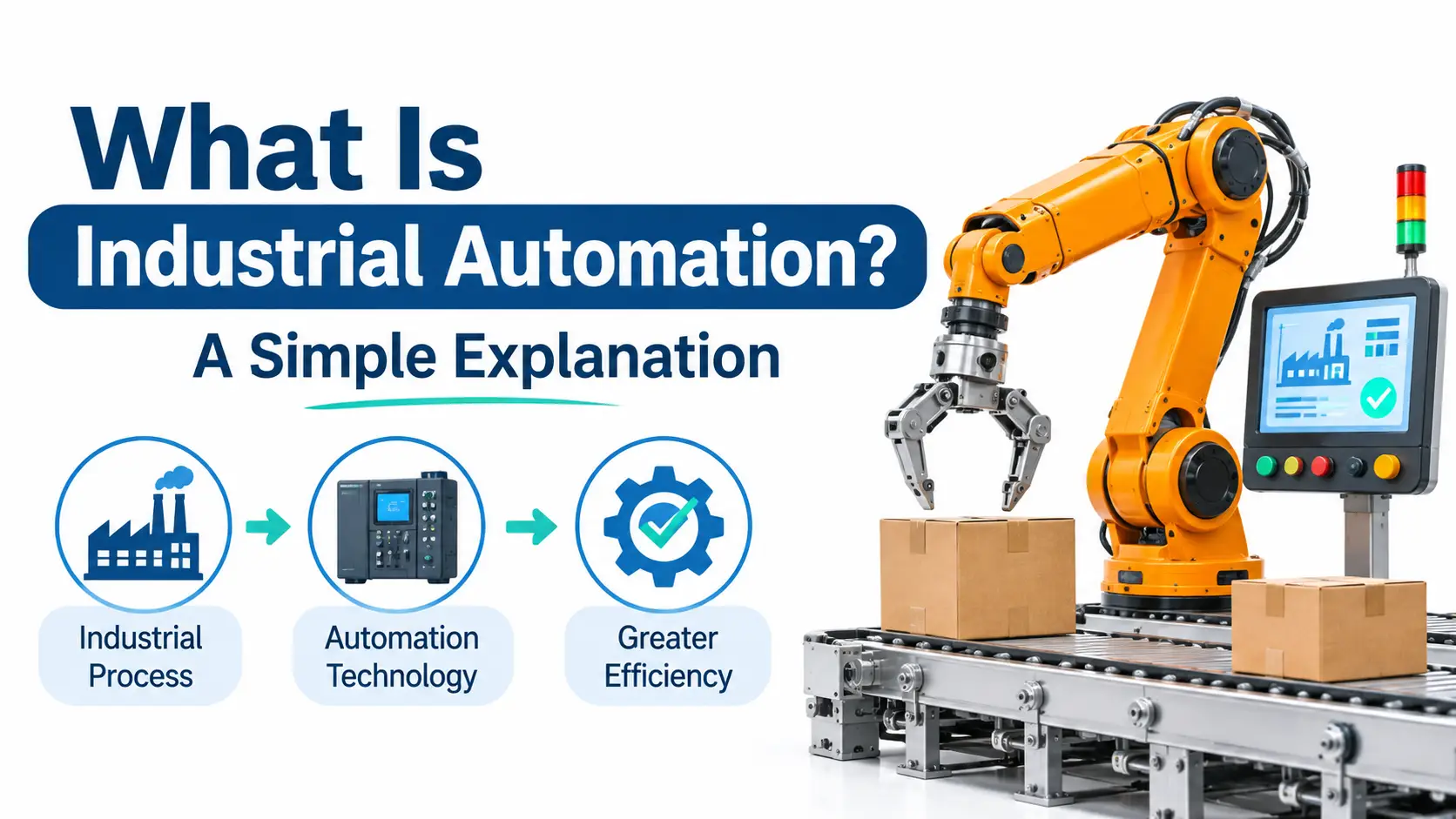
What is Industrial Automation? Types, Components, and Architecture Guide
Control systems, sensors, software and actuators are employed in industrial automation to perform manufacturing or processing operations with little or no human involvement. It increases throughout, maintains close tolerances and enhances plant safety. You can plan an upgrade with confidence, with this guide taking you through the basics of how industrial automation works, its architecture, the primary automation types and how physical equipment interfaces with digital control.
Need help specifying automation hardware? Request a Quote and our team will review your requirements.
1. What Is Industrial Automation? Definition and Overview
What is Industrial Automation? How does it work? Sensors measure the process variable, the controller compares the measured value to a target value, and the actuators take action to eliminate the difference. This closed loop cycle is data driven control, not manual adjustment. Today, industrial automation technology is a combination of hardware, software and networks. We have a guide to industrial instrumentation that also deals with measurement concepts.
2. The Automation Pyramid: From Field Level to Enterprise
The ISA-95 model organizes the industrial control systems into layers:
Field level: Sensors, transducers, and actuators.
Control level: PLCs and PACs.
Supervisory level: SCADA and HMIs.
Operations and enterprise levels: MES and ERP.
The task of the sensors and transducers in factory automation is to transform physical conditions into electrical signals. Field transmitters are available in our instrumentation range.
3. Core Types of Automation Systems
Types of industrial automation systems in manufacturing differ mainly in flexibility.
Type | Characteristics | Best For |
|---|---|---|
Fixed | Hard-wired, dedicated | High volume, one product |
Programmable | Reprogrammed by software | Batch production |
Flexible | Fast changeover | Varied products |
Integrated | Plant-wide networking | Fully connected operations |
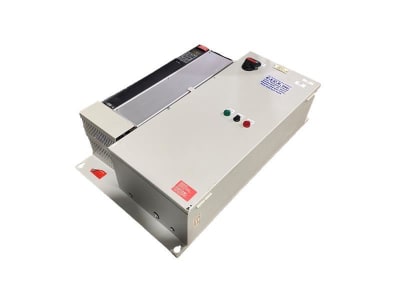
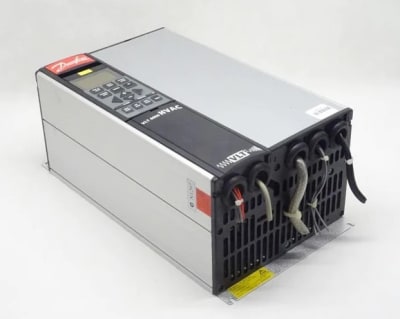
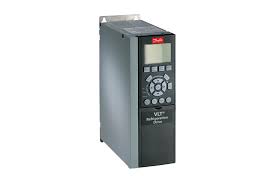
Danfoss flexible lines frequently make use of flexible lines with variable frequency drives to alter speed without mechanical changes. The difference between continuous process manufacturing and discrete manufacturing automation is that continuous manufacturing is a continuous process and discrete manufacturing is a discrete process that produces a countable product. Both use automated manufacturing processes.
4. Key Components of an Automated Industrial System
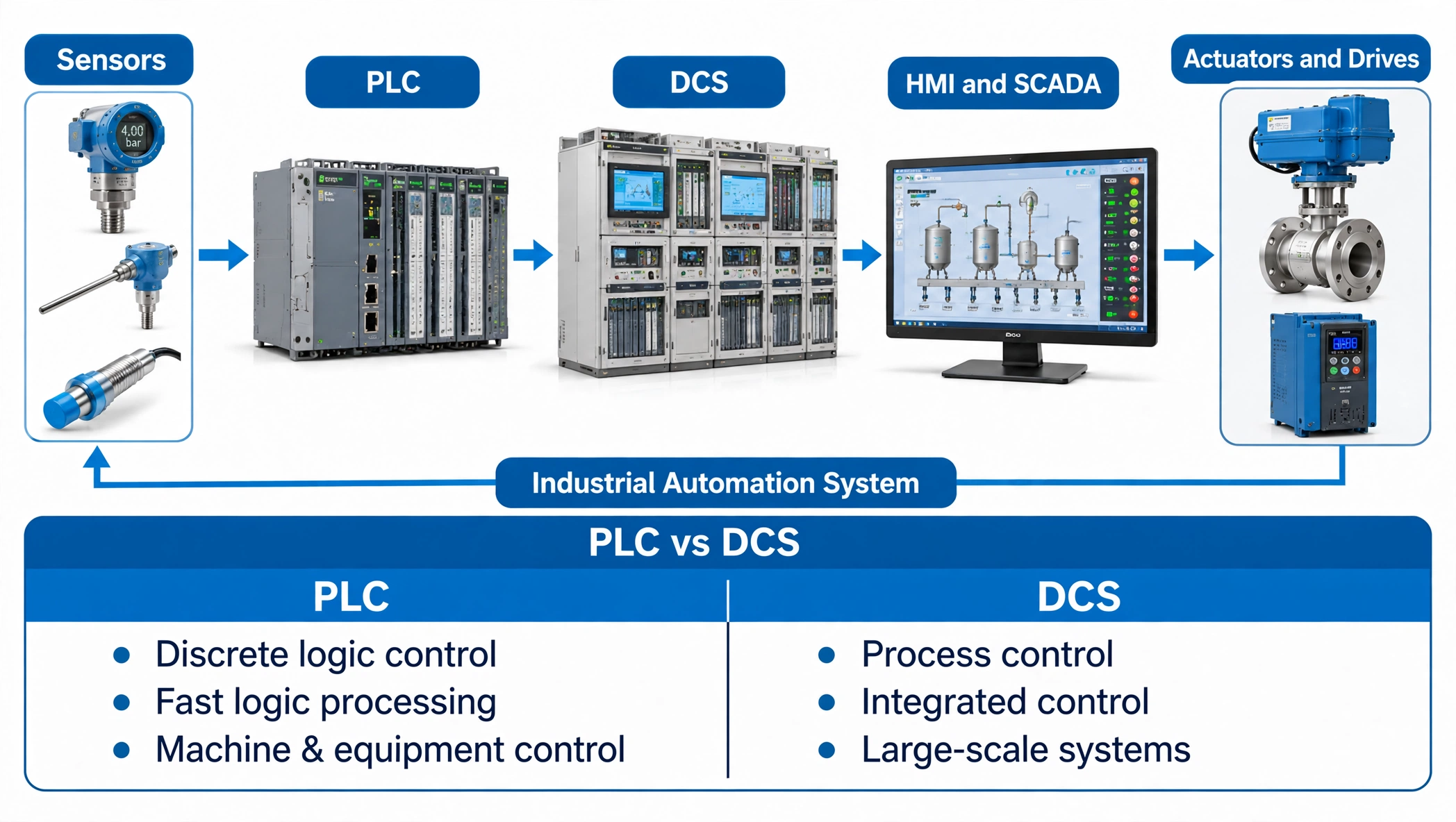
Sensors: Automation components and sensors which provide input signals.
PLC: a programmable logic controller - PLC reads inputs, executes program and outputs, is usually programmed in IEC 61131-3.
DCS: Distributed Control System A distributed control system is used to control continuous processes, and consists of distributed controllers.
HMI and SCADA: Operator interface / Alarms and Data logging.
Actuators and drives: Take control signals and put them into action.
In industrial automation, the difference between PLC and DCS is that PLC can be better used for discrete logic and fast logic processing, and DCS can be used for integrated process control. Common controllers, drives and enclosures are from manufacturers like Schneider Electric.
5. Industrial Communication Protocols and Fieldbus Networks
Determinism, ecosystem and cabling are the main factors to consider when deciding between fieldbus modbus profinet.
Protocol | Type | Typical Use |
|---|---|---|
PROFINET | Industrial Ethernet | Real-time control |
EtherNet/IP | Industrial Ethernet | Discrete manufacturing |
Modbus TCP | Ethernet | Simple device data |
OPC UA | Interoperability layer | Cross-vendor data |
The 4-20 mA and HART signals are still used in the field. OPC UA is used to enable communication between different vendors' systems, including a Yokogawa DCS and third-party PLCs. Then, these layers are connected to analytics via IIoT.
6. Integrating Physical Hardware: Actuators, Valves, and Bearings
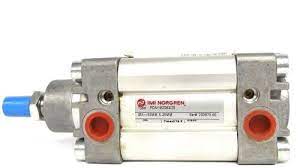
Positioners or solenoid valve blocks transmit signals to actuators of 4 – 20 mA or digital. Compare mechanical and electric actuators for pneumatically and electrically actuated lines.
Actuator | Strength | Limitation |
|---|---|---|
Pneumatic | Fast, simple | Needs compressed air |
Electric | Precise positioning | Slower, higher cost |
Hydraulic | Very high force | Needs a power unit |
Not just static torque, but size actuators for dynamic torque as well. Connect with hydraulics and pneumatics components. When it comes to high speed production, industrial automation bearing selection should consider the speed rating and lubrication since faster production lines increase the wear of bearings and fasteners.
7. Where Industrial Automation Is Used
Oil and gas: Valve Automation, Emergency Shutdown for Oil & Gas facilities.
Chemical processing: automated fluid dosing.
Automotive: A typical industrial robotics integration example is a robotic welding cell.
Packaging: servo-driven indexing tables.
8. Benefits and Challenges of Automation
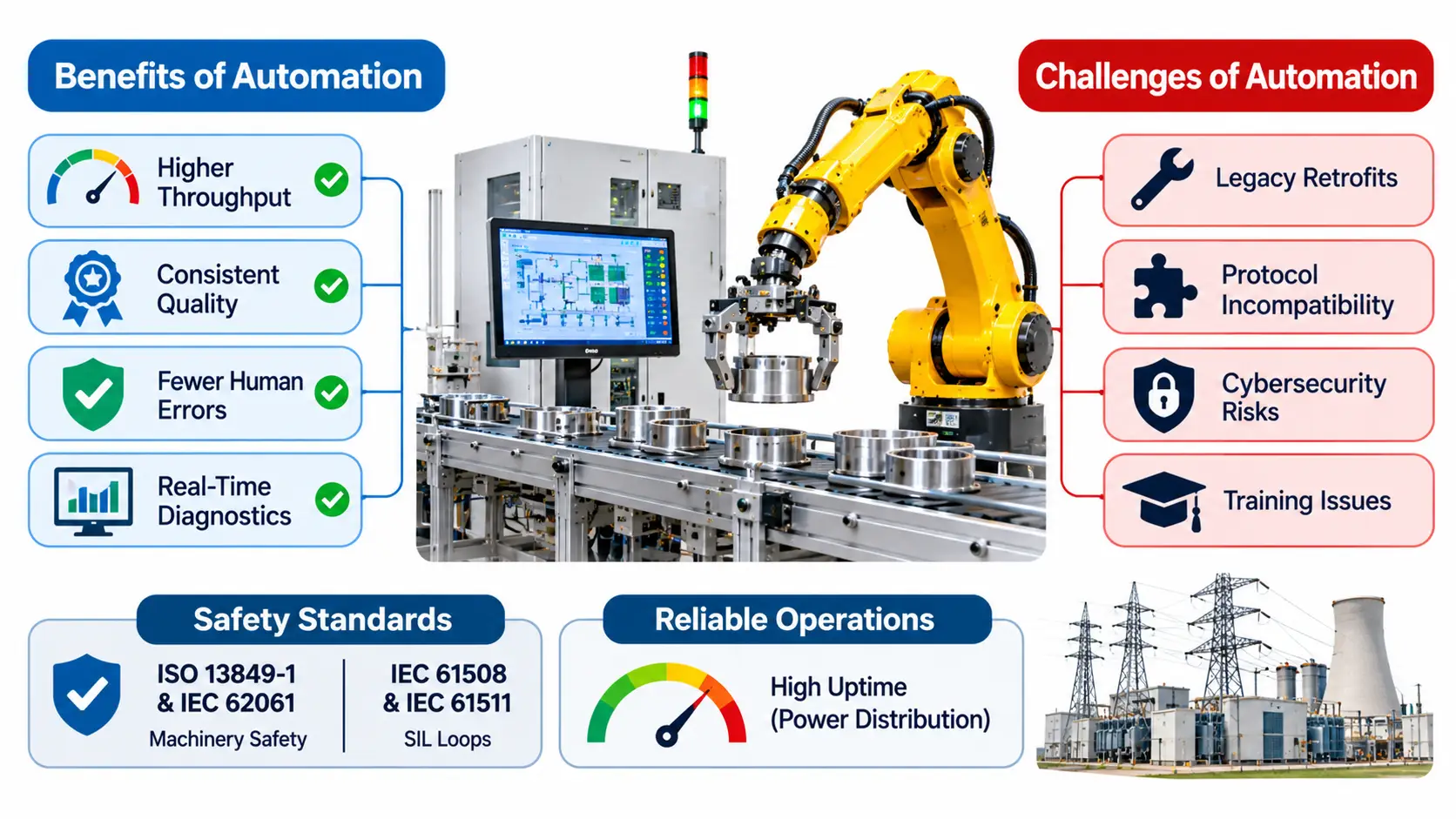
The benefits of industrial automation in heavy manufacturing include higher throughput, consistent quality, fewer human errors and real-time diagnostics. According to the International Federation of Robotics, there are millions of industrial robots in use worldwide.
Legacy retrofits are a challenge, as are protocol incompatibility, cybersecurity and training issues. Safety rules include ISO 13849-1 and IEC 62061 for machinery, and IEC 61508 and IEC 61511 for SIL loops. Uptime of power distribution is also a reliable control feature.
9. Implementation Steps for Plant Automation Retrofits
Follow these steps for retrofitting existing machinery for industrial automation:
Inspect the mechanical condition, sensor mounts and electrical capacity.
Explain what is meant by control loops and I/O requirements.
Choose controllers, sensors and networks that are protocol compatible.
Choose actuators by torque and signal; see our guide to industrial actuators.
Set up Controllers and HMI, and test.
Commission with safety validation.
Do not use non-isolated grounds between high power drives and sensitive PLC analog inputs.
10. Frequently Asked Questions
What is industrial automation?
The automatic control of industrial processes by the use of control systems, sensors and actuators without direct human intervention.
What are the 4 main types of industrial automation?
Fixed, programmable, flexible and integrated automation.
What is the difference between PLCs and SCADA?
A PLC performs the machine level control logic. Many controllers are managed by SCADA, which has monitoring, alarms and data logging.
How do actuators function in automated control loops?
They are controlled by an analog or digital signal and they generate the desired motions based upon the electrical energy or pressurized fluid input.
What safety standards apply to industrial automation systems?
ISO 13849-1 and IEC 62061 cover machinery safety. The Safety Integrity Levels are prescribed in IEC 61508 and IEC 61511.
How does IoT support maintenance?
IoT sensors feed condition data to analytics. Read our guide to preventive vs predictive maintenance.
11. Conclusion
Automation is successful when the control software, the field devices and the mechanical hardware are selected as one system. Always start with an audit, match protocols and signals, and then size the actuators and bearings for actual operating conditions. Cabling, drives and panel parts are covered in our electrical products.
Brand names are used for identification only and imply no partnership or endorsement by Z&F Corporation.
Need help matching components to your control system? Talk to Our Specialist and we will help identify suitable products.