Industrial Knowledge Hub
Engineering Insights & Technical Resources
Explore Categories
Latest Technical Articles
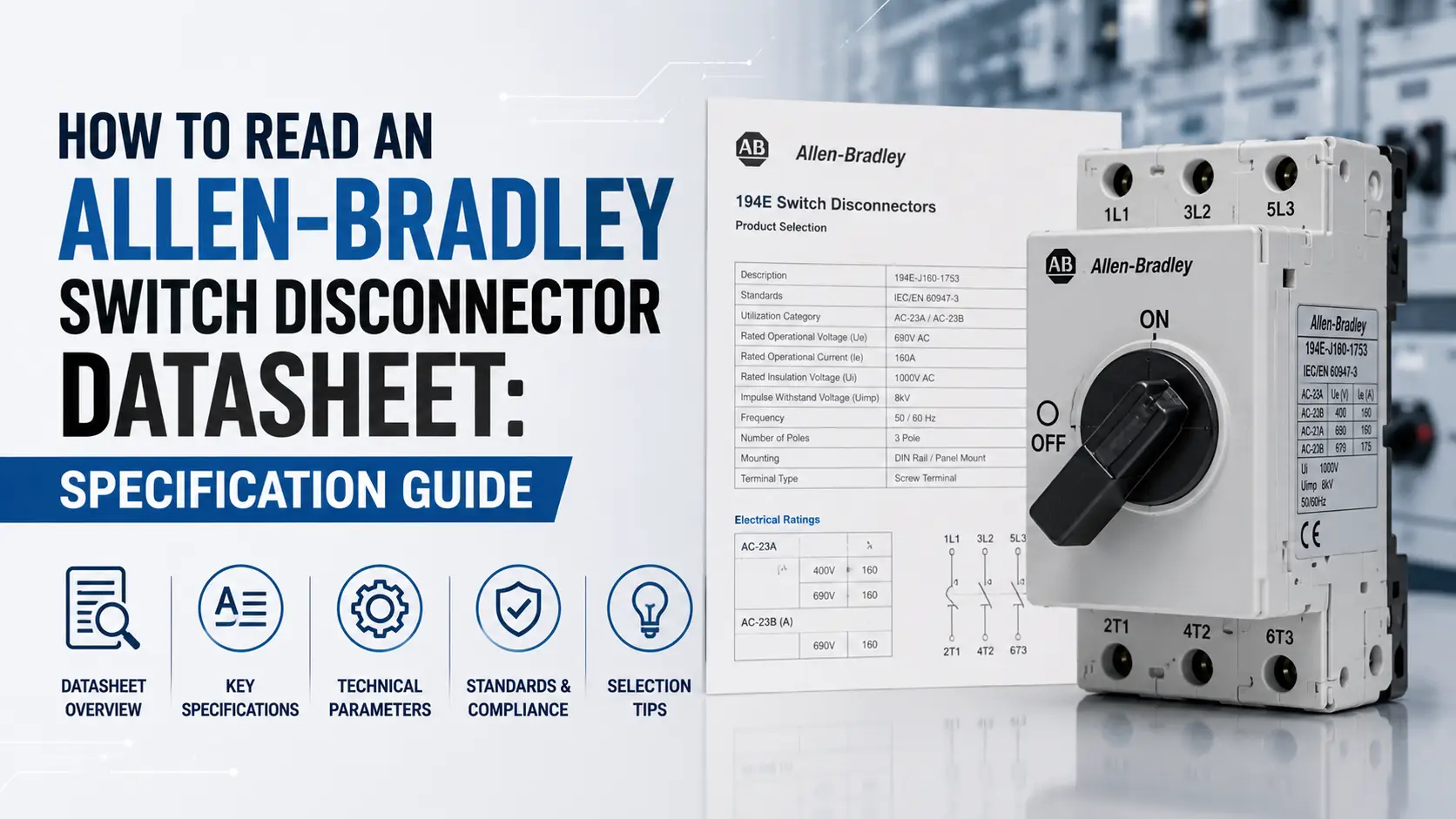
How to Read an Allen-Bradley Switch Disconnector Datasheet: Specification Guide
A field-by-field guide to reading a switch disconnector datasheet — current rating, poles, fused/non-fused, IP rating and IEC 60947-3 — for UK buyers comparing Allen-Bradley and ABB.
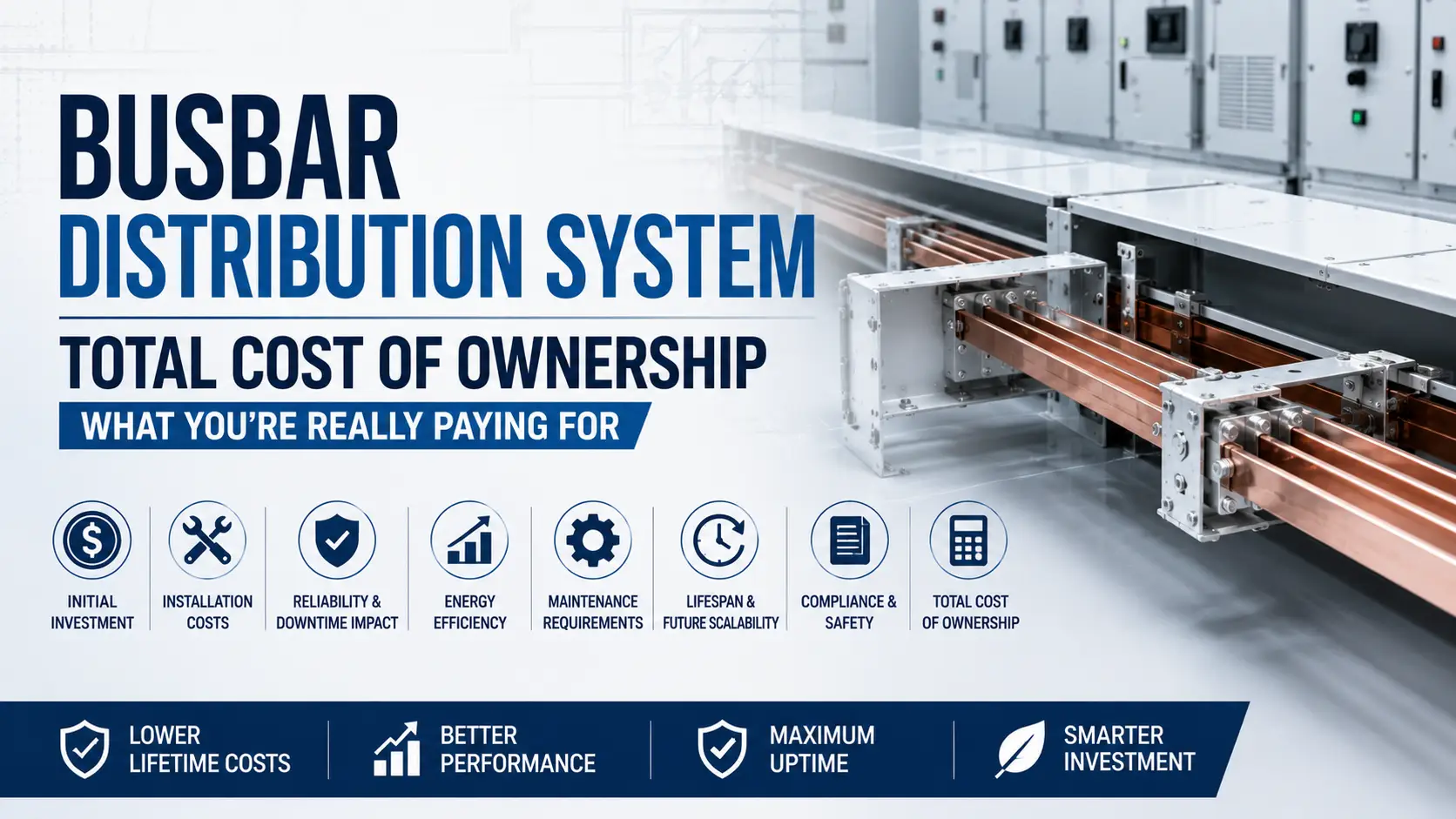
Busbar Distribution System Total Cost of Ownership: What You're Really Paying For
Busbar distribution system total cost of ownership explained: installation labour, spares, flexibility & hidden costs beyond the unit price. UK stock. Get a quote.
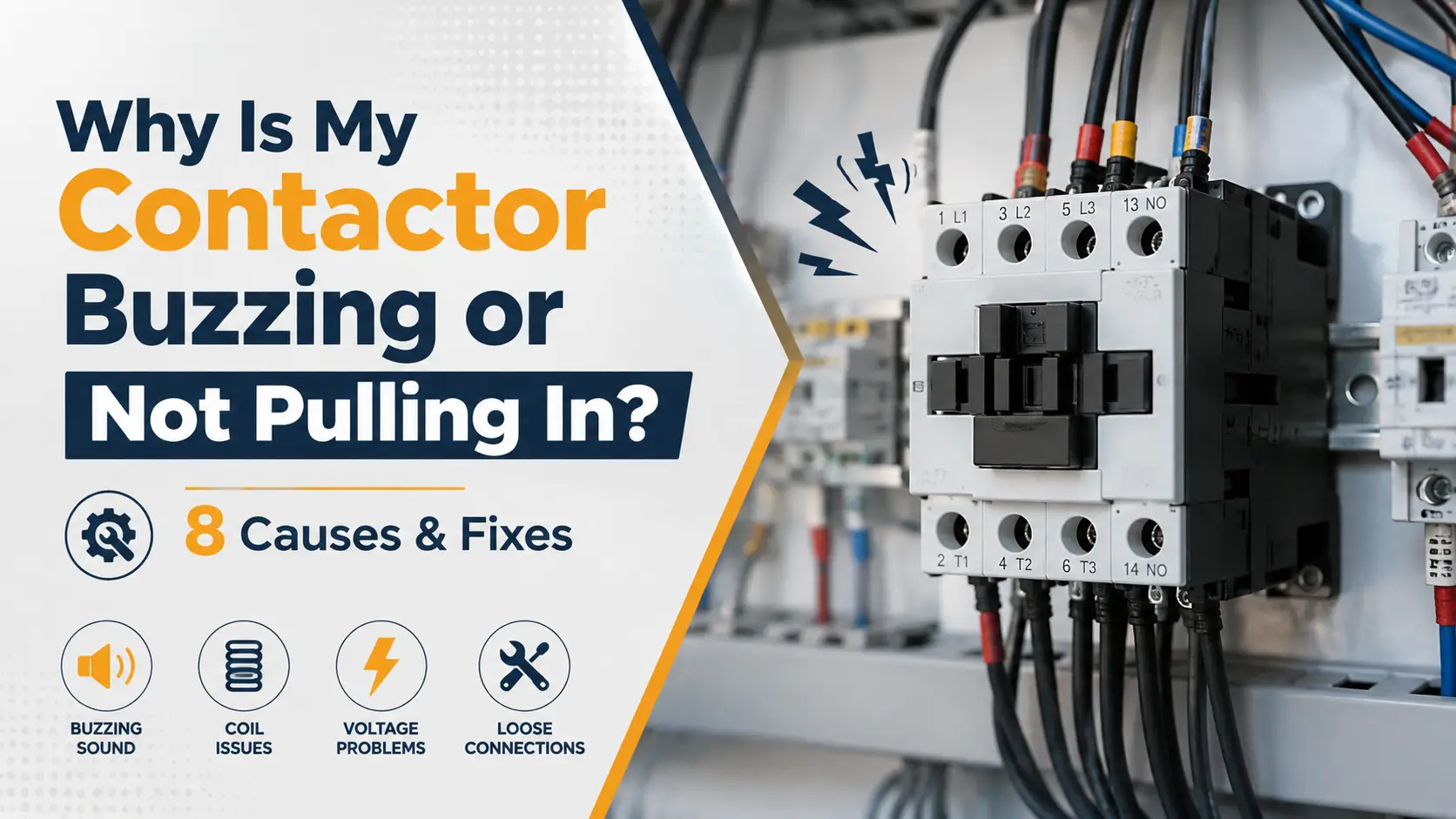
Why Is My Contactor Buzzing or Not Pulling In? 8 Causes & Fixes
A contactor that buzzes or won't pull in is almost always low coil voltage, a worn magnet face, or a stuck armature — not a faulty contactor. Here are the 8 real causes, how to check each one, and how to fix it.
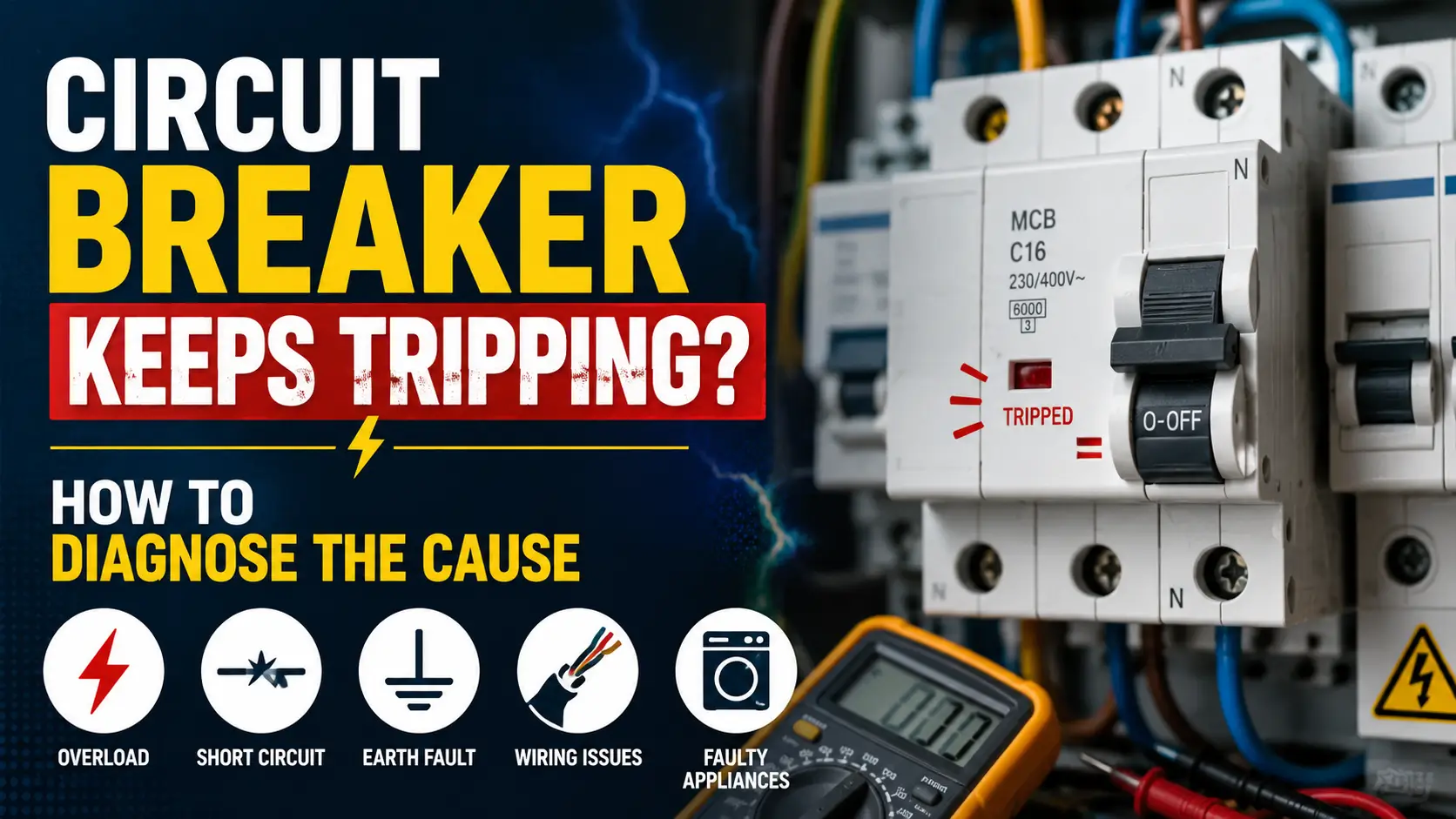
Circuit Breaker Keeps Tripping? How to Diagnose the Cause
A breaker that keeps tripping is diagnosing itself — how it trips tells you whether it is overload, a short circuit, inrush, or a wiring fault. Heres how to read the signs and fix it safely.
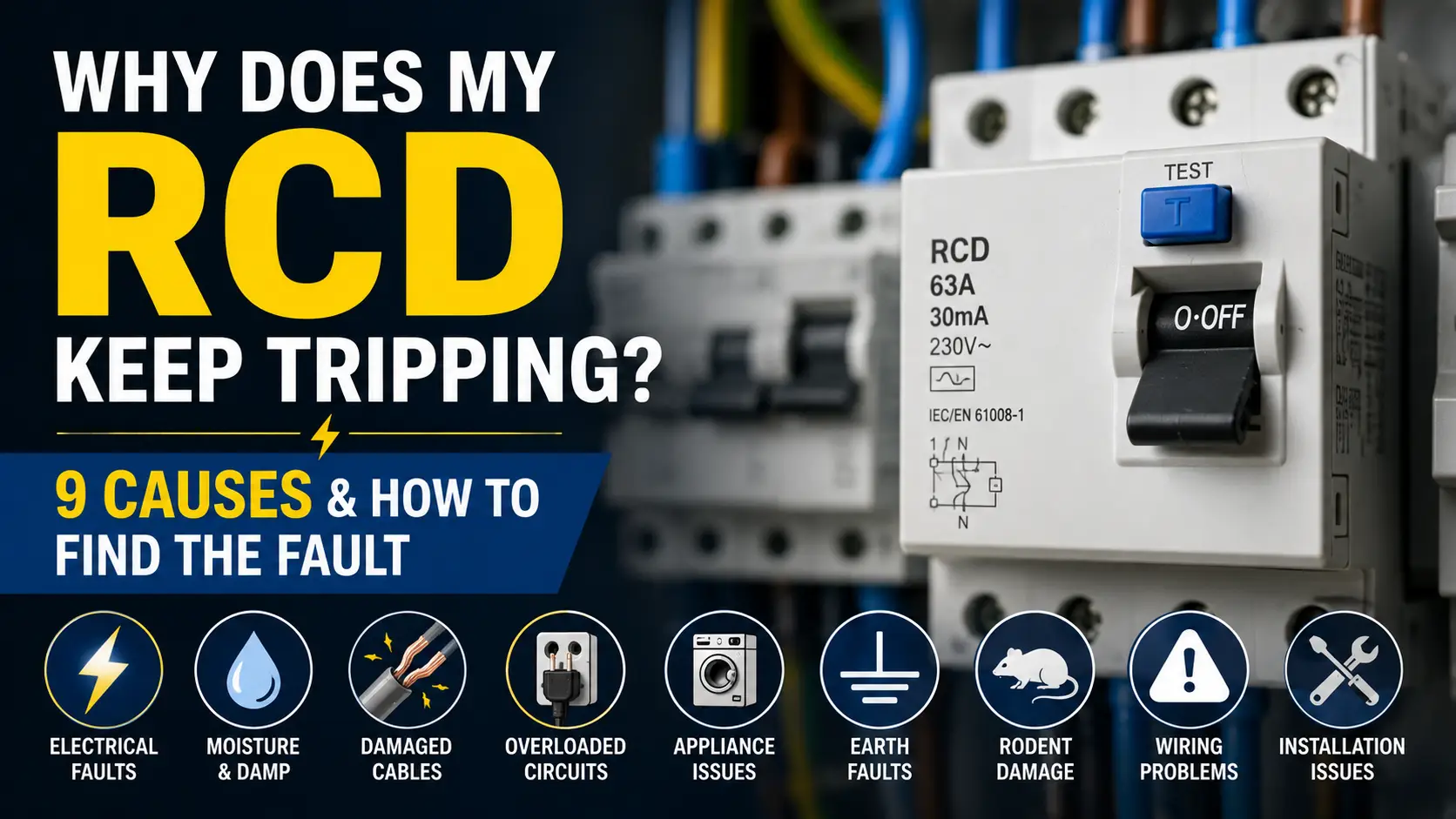
Why Does My RCD Keep Tripping? 9 Causes & How to Find the Fault
An RCD that keeps tripping is almost always a leaking appliance, damp cabling, or cumulative leakage from filtered loads — not a faulty RCD. 9 real causes, how to find the circuit at fault, and when to replace the device.
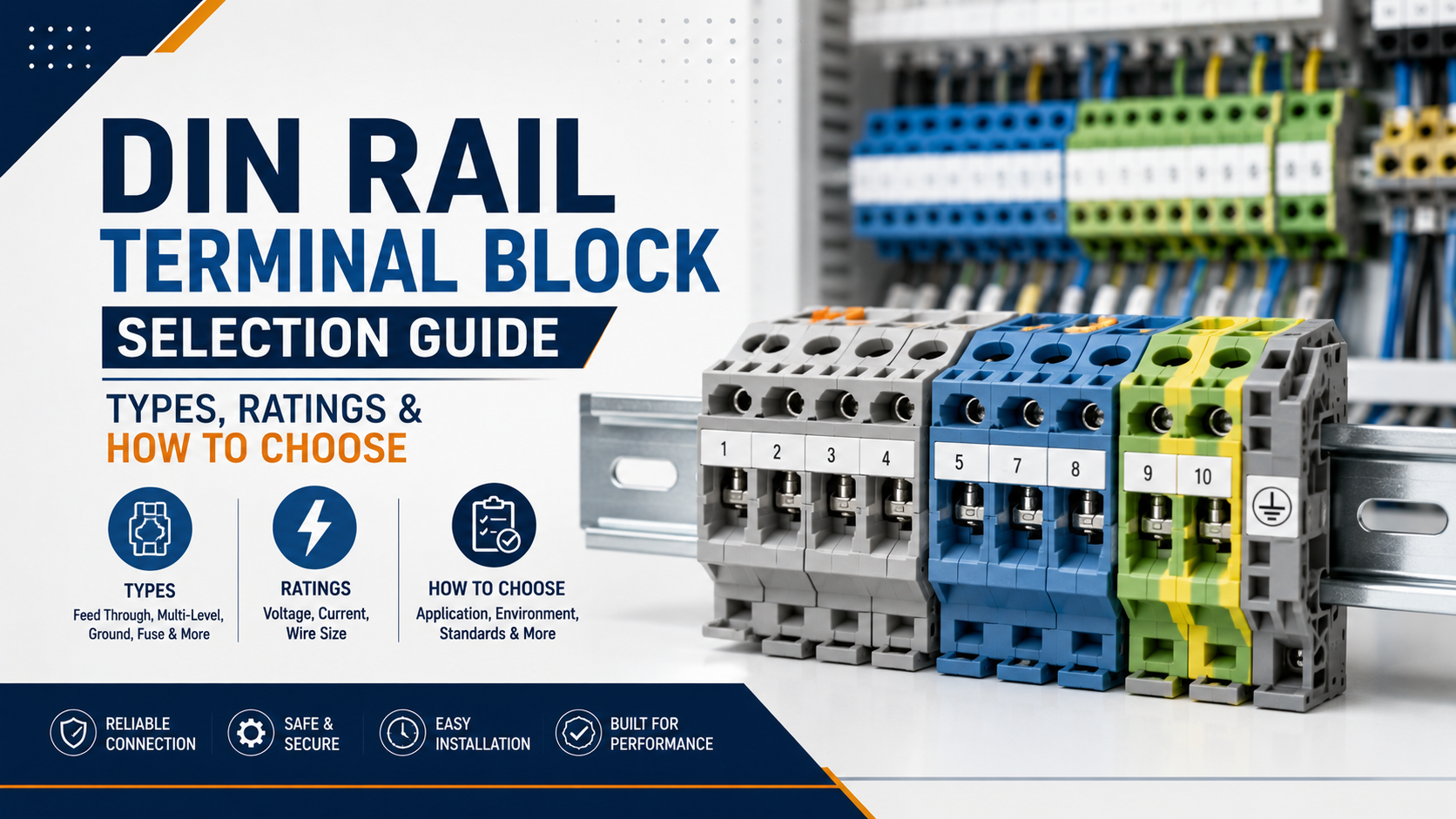
DIN Rail Terminal Block Selection Guide: Types, Ratings & How to Choose
Current rating, wire gauge compatibility, and connection type are the three decisions that actually matter when selecting a DIN rail terminal block. Here's how to get all three right, plus where fused and disconnect variants fit in.
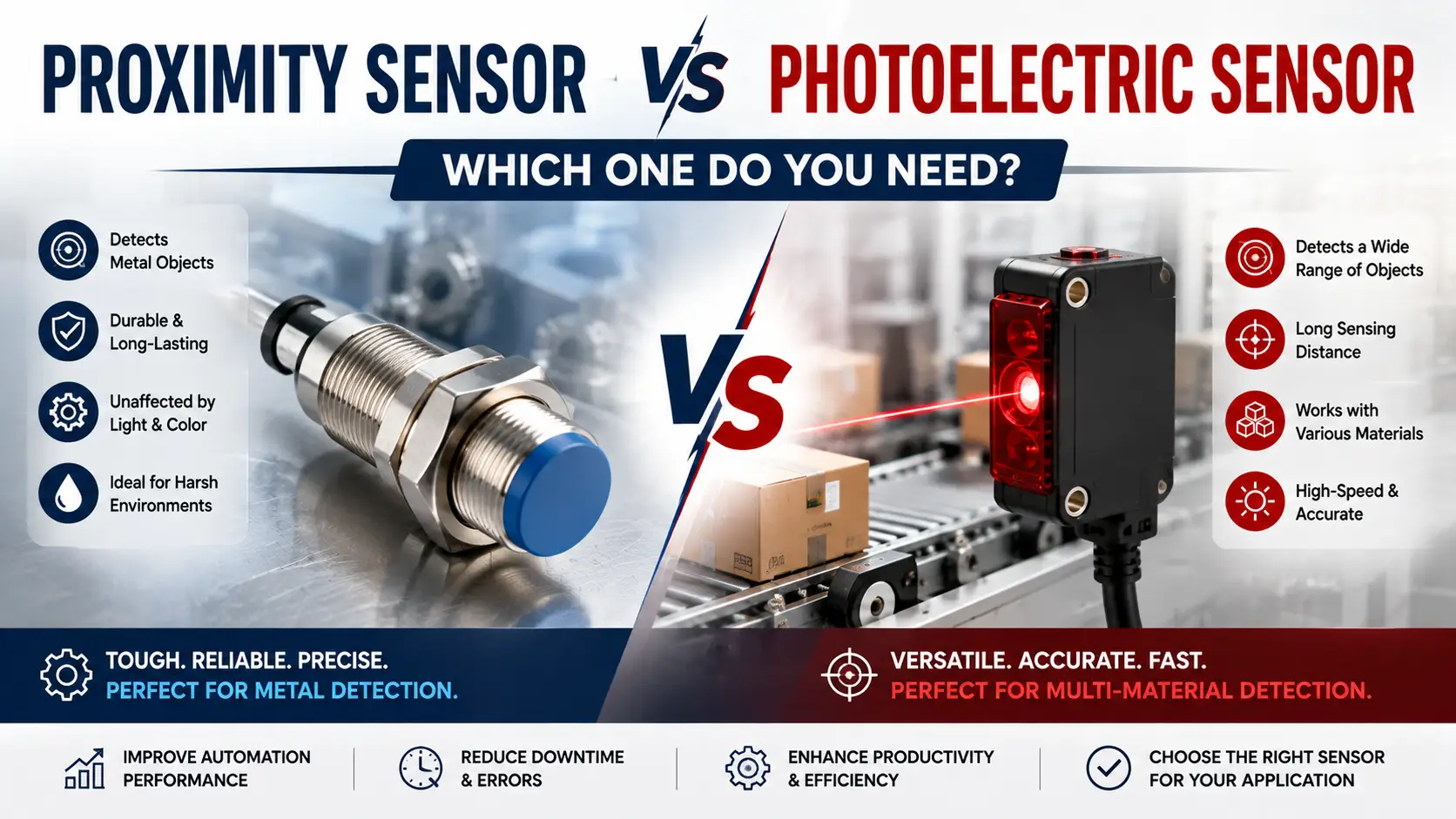
Proximity Sensor vs Photoelectric Sensor: Which One Do You Need?
Inductive proximity sensors only detect metal; photoelectric sensors work on almost any material at much longer range. Target material and sensing distance decide which one your application needs.
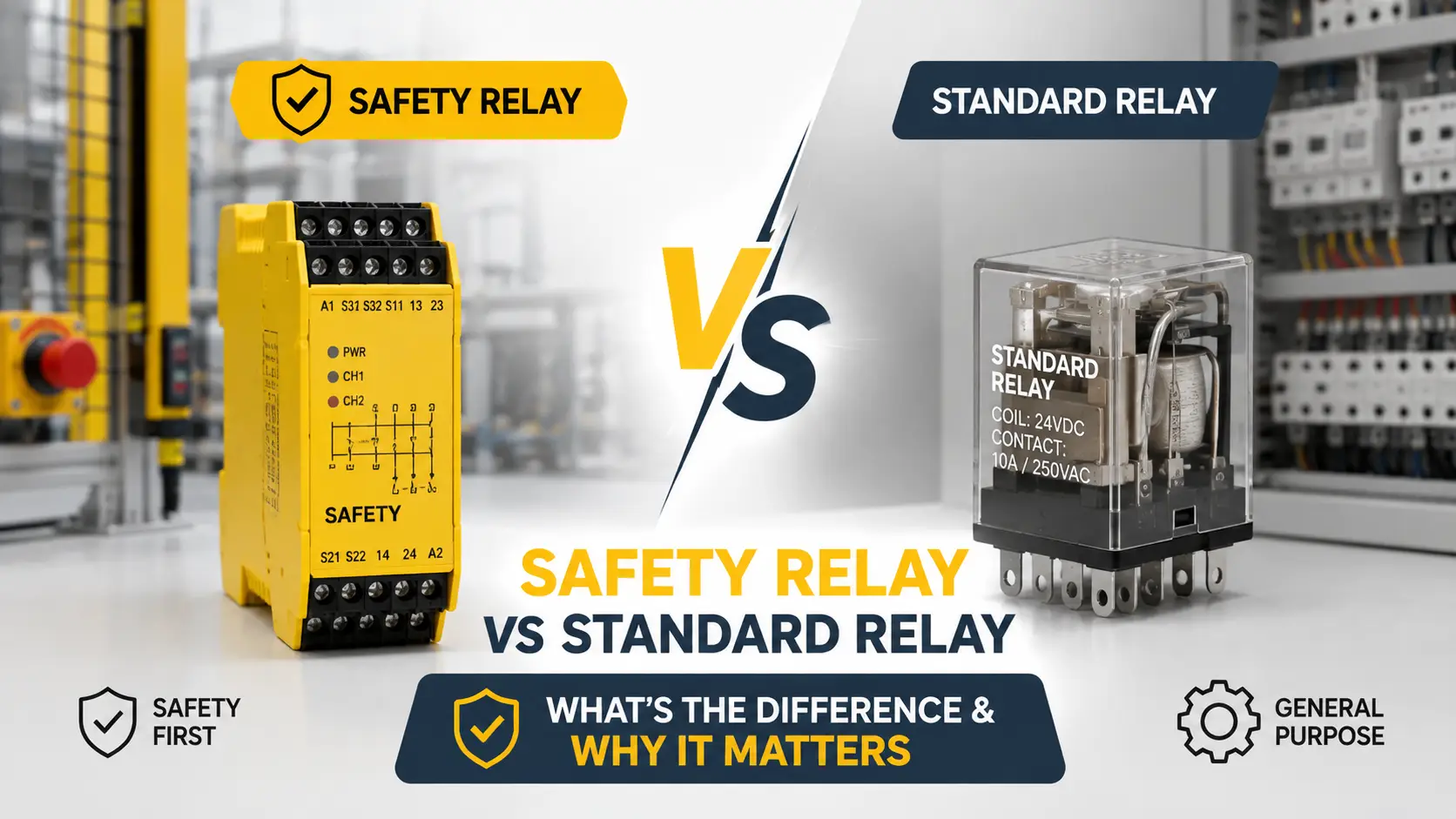
Safety Relay vs Standard Relay: What's the Difference & Why It Matters
A safety relay is built with forcibly guided contacts and internal fault monitoring so it fails safe, not silently. If a relay sits in an e-stop or guard interlock path, that difference is the entire reason it exists.
Most Popular

Valves & Pipe Fittings for Qatar Oil & Gas: ANSI, API & ASME Certified Supplier
2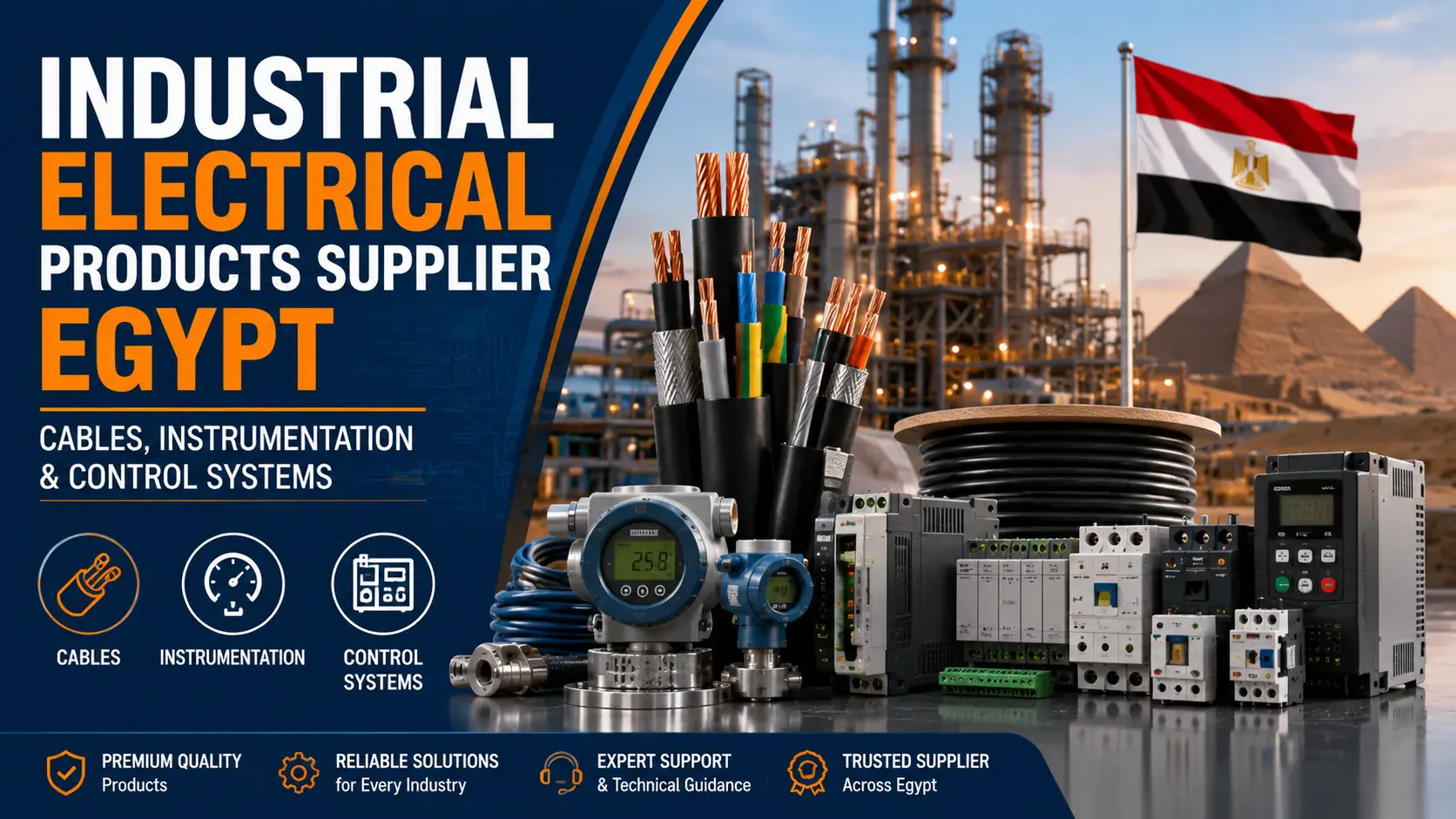
Industrial Electrical Products Supplier Egypt: Cables, Instrumentation & Control Systems
3
Offshore & Marine Industrial Products UAE & Gulf: SS316 Valves, Pumps & Fasteners
4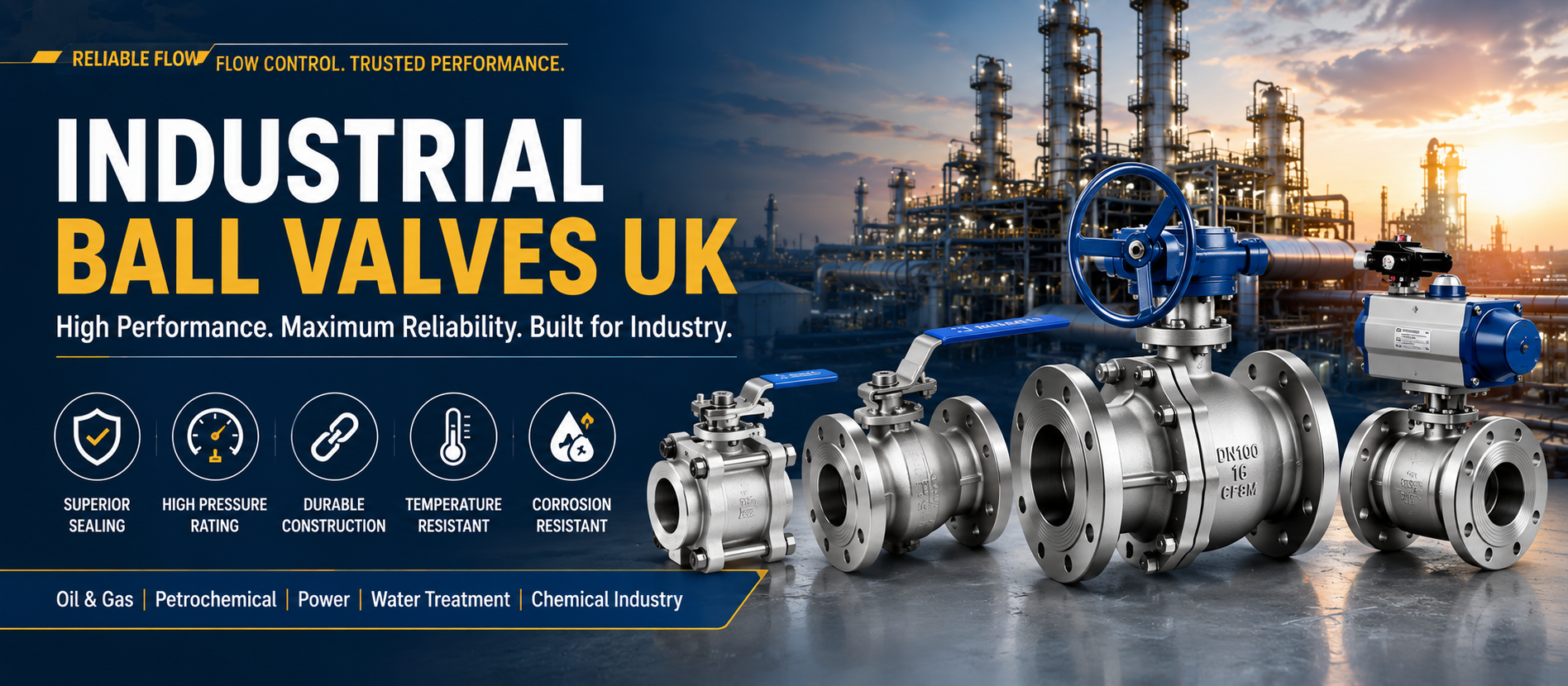
Industrial Ball Valves UK: Complete Buyer's Guide for Oil & Gas
Join Engineers Receiving Weekly Insights
Technical guides, product updates and industry news — straight to your inbox.